
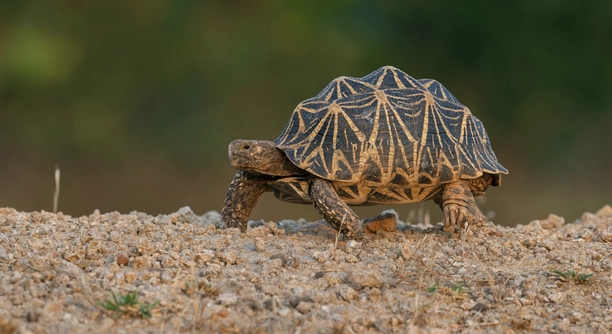
Indian Star Tortoises are popular pets due to their charming personalities and easy care. However, it can be concerning when they hide more than usual. Understanding the reasons behind this behavior will help ensure your tortoise remains happy and healthy.
Tortoises, like Indian Star Tortoises, may hide due to stress, illness, or environmental factors such as temperature changes or improper lighting. It’s important to monitor their behavior and environment to identify any underlying issues.
This article will explore the possible reasons behind your tortoise’s hiding behavior and offer helpful tips on how to address each situation.
Stress or Fear
When an Indian Star Tortoise feels stressed or scared, it might retreat to its hiding spot. This behavior is completely natural, as they seek safety in their shells when they sense danger. Changes in their environment, loud noises, or sudden movements around them can easily cause this stress. If they feel threatened by pets, people, or unfamiliar objects, hiding becomes their way of protecting themselves.
Sometimes, it’s the small things that we may not notice that lead to this behavior. If there have been any recent changes in their habitat or routine, they might feel unsettled. Tortoises thrive on consistency and routine, so any disruption can make them nervous.
To reduce stress, it’s important to keep their environment calm and predictable. Avoid sudden changes, and make sure their space is free from loud sounds or rapid movements. Providing hiding spots that are safe and comforting can also help them feel more secure without overdoing it. Your tortoise’s well-being depends on a calm and stable environment.
Temperature Issues
Indian Star Tortoises are sensitive to temperature changes. If their habitat is too cold or too hot, they might hide to regulate their body temperature.
Tortoises require a specific temperature range to stay healthy. If their basking area is too warm or too cold, they may feel uncomfortable and retreat. Ensure their enclosure has both a basking spot and a cooler area for them to choose from. This balance is crucial for their comfort.
Illness or Injury
If your tortoise is unwell or injured, hiding is a common response. Just like in the wild, hiding helps them avoid predators when they’re vulnerable. If you notice a change in eating habits, lethargy, or any signs of discomfort, it’s time to take action.
An ill tortoise may retreat to a dark corner, staying out of sight to conserve energy. Pay close attention to whether they’re eating or drinking less, as these can be indicators of an underlying health issue. If you suspect an injury or illness, seeking a vet’s advice is crucial.
Tortoises can suffer from respiratory infections, shell problems, or internal parasites. If your tortoise is hiding and showing signs like wheezing, swelling, or diarrhea, get them checked by a vet. It’s important to address any health concerns promptly to avoid more serious issues later. Regular check-ups can prevent problems and ensure they remain healthy.
Improper Lighting
Tortoises rely on UVB light for their overall well-being. Without proper lighting, they can become stressed or lethargic. A lack of UVB light can affect their ability to process calcium and lead to weakened bones, which might cause them to hide more often.
Make sure your tortoise has access to proper UVB lighting for 10–12 hours a day. Without it, they may avoid basking or show signs of discomfort, retreating to dark corners. If they don’t feel the warmth or exposure to light they need, their behavior can shift drastically.
Additionally, the light should be placed at an appropriate distance from the tortoise. Too far away and they won’t absorb enough UVB rays, too close and it could be too intense for them. Adjusting the light correctly can keep your tortoise healthy, active, and out of hiding.
Age or Shedding
As tortoises age, they may naturally retreat more often. It’s a behavior linked to maturity or even the stress of shedding their skin and scutes. This period can make them feel vulnerable, leading them to hide more frequently.
Shedding is a normal process, but it can sometimes be uncomfortable for them. When your tortoise is shedding, it might choose to stay hidden to avoid distractions and irritation. They may be trying to manage this process without interference, so it’s best to let them be during this time.
Environmental Changes
Any change in the environment can cause your tortoise to hide. Whether it’s new furniture, a relocation, or a new pet, they may seek refuge until they feel comfortable again.
Even small shifts in temperature or humidity can cause stress. Your tortoise needs time to adjust to these changes, so it’s important to keep things consistent and make transitions as smooth as possible. Make sure to monitor their environment for any issues that could trigger hiding behavior.
FAQ
Why is my tortoise hiding all of a sudden?
Sudden hiding can be triggered by a variety of reasons. If your tortoise wasn’t hiding before, it could be due to stress, an environmental change, or the onset of illness. It’s essential to monitor any new changes in their habitat, such as temperature shifts, new objects, or people. If the behavior continues, it’s best to check for signs of health issues like reduced eating or difficulty moving. Stress can also come from loud noises or other pets.
How can I tell if my tortoise is sick?
Look for signs such as lethargy, lack of appetite, unusual breathing, or a change in shell condition. If your tortoise is hiding and shows any of these symptoms, it may be sick or injured. Common issues in tortoises include respiratory infections, parasites, or shell rot. Pay attention to any changes in behavior and physical condition. It’s always safer to consult a veterinarian if you’re unsure.
Is it normal for a tortoise to hide when it is shedding?
Yes, it’s normal for a tortoise to hide during shedding. Shedding can be uncomfortable, and your tortoise may retreat to avoid being disturbed. Older tortoises, in particular, might prefer quiet, dark spots during this time. Ensure they have a warm and humid area for proper shedding, and don’t worry if they hide for a while.
What should I do if my tortoise is hiding more than usual?
If your tortoise is hiding more often, check its environment for any signs of stress. Ensure that temperature and lighting are optimal, as improper conditions can cause them to retreat. Also, consider if there have been any changes recently, like new pets or furniture. If hiding is paired with other unusual symptoms like a lack of eating or abnormal behavior, it’s time to consult a vet.
How do I know if the temperature in my tortoise’s tank is right?
The temperature inside your tortoise’s enclosure should have a warm basking area (around 90-95°F) and a cooler side (around 75°F). It’s important to use a thermometer to measure the temperature in both spots. If the temperature is too high or too low, it can stress your tortoise, causing it to hide or become inactive. Adjust lighting and heat sources to maintain a consistent and appropriate temperature range.
Could my tortoise be hiding because of the lighting?
Yes, improper lighting can make your tortoise uncomfortable and cause it to hide. They need UVB light to process calcium and maintain healthy bones. Without enough UVB exposure, tortoises can become lethargic and may hide more frequently. Make sure the light is set up correctly and is positioned at the right distance for optimal absorption.
Is it possible for a tortoise to hide because of boredom?
Tortoises can sometimes hide because they are bored or not stimulated enough. If their habitat lacks variety or they don’t have enough space to roam, they may retreat to a quiet spot. Providing enrichment, such as different textures, safe plants, or varied scenery in their enclosure, can help prevent boredom and encourage more active behavior.
How can I tell if my tortoise is stressed?
Stress in tortoises can be identified by behaviors such as excessive hiding, refusing food, pacing, or being easily startled. Stress can result from environmental changes, improper care, or handling. Always ensure their environment is calm, secure, and meets all their needs to help reduce stress levels. If these behaviors persist, consider making adjustments to their habitat or consulting a vet for advice.
Is it okay to let my tortoise hide all the time?
While it’s okay for your tortoise to hide occasionally, constant hiding could be a sign of underlying problems. Tortoises need to be active and engage with their environment. If hiding is frequent, it may indicate stress, illness, or an unsuitable environment. Observe your tortoise carefully to ensure that it’s healthy and comfortable. If hiding becomes excessive, consider seeking professional help.
How often should I check my tortoise’s health?
Regular health checks are important, especially for older tortoises. A simple visual inspection can help detect any issues with the shell, skin, or behavior. Look for signs like shell cracks, swelling, discharge, or changes in movement. At least once a year, take your tortoise to a vet for a thorough examination to catch any potential health problems early.
When your Indian Star Tortoise hides more than usual, it’s important to look closely at its environment and behavior. Sometimes, hiding is simply a natural response to things like shedding, stress, or even changes in the weather. Tortoises are creatures of habit, and they like things to stay consistent. If their environment suddenly changes, they may retreat to feel safe and comfortable again. It’s helpful to keep their space calm and predictable to avoid causing unnecessary stress.
However, hiding can also be a sign of something more serious, like illness or injury. If your tortoise has been hiding for extended periods and shows other signs like lack of appetite, lethargy, or changes in movement, it’s crucial to get a professional opinion. Tortoises are very good at hiding their pain, so don’t wait too long to consult a vet if you notice anything unusual. A quick check-up can prevent bigger problems from developing later on.
Understanding why your tortoise is hiding and addressing the root cause is key to ensuring it remains happy and healthy. Keep an eye on their habits and make sure their environment is just right for them. A balance of proper lighting, temperature, and a stress-free environment will help your tortoise feel comfortable. If things don’t improve, a vet’s guidance will always be your best option. With the right care, your Indian Star Tortoise will feel secure and active again.

Hello,
If you enjoy the content that we create, please consider saying a "Thank You!" by leaving a tip.
Every little bit helps us continue crafting quality advice that supports the health, happiness, and well-being of pets around the world, for pets of all shapes, sizes, and species.
We really appreciate the kindness and support that you show us!