
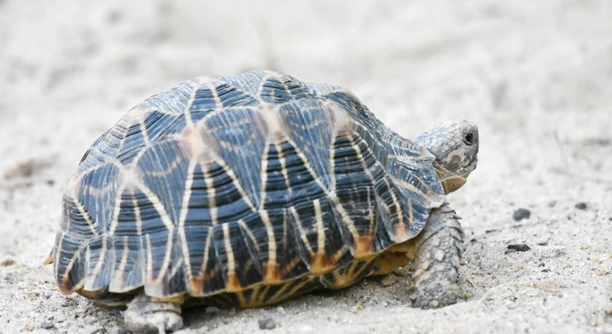
Sometimes, when your Indian Star Tortoise is breathing loudly, it can be concerning. A variety of factors could be causing this behavior, from environmental conditions to potential health issues. Understanding the cause is key to helping your tortoise.
Loud breathing in your Indian Star Tortoise is often caused by respiratory problems, which can result from improper humidity, temperature, or even an infection. It is important to carefully observe their habitat and seek a vet’s advice if needed.
Proper care and monitoring of your tortoise’s environment can help prevent serious issues. By addressing the root causes, you can support your pet’s health and well-being in the long term.
Common Causes of Loud Breathing in Indian Star Tortoises
Loud breathing in Indian Star Tortoises often points to a few possible causes. One of the most common reasons is improper temperature and humidity levels in their environment. These tortoises are native to warm, dry areas, so their habitat should reflect that. If the temperature drops too low or humidity becomes too high, it can cause respiratory issues, leading to loud breathing or even wheezing. A change in their diet or exposure to drafts might also lead to similar symptoms. It’s important to maintain consistent conditions in their enclosure to prevent health problems.
If you notice your tortoise’s breathing becoming louder or labored, check the temperature and humidity. Use a thermometer and hygrometer to ensure that the environment is within the recommended range. This simple step can often resolve the issue before it becomes serious.
By managing the environment properly, you reduce the risk of respiratory issues. It’s essential to stay aware of these factors to keep your tortoise healthy and avoid unnecessary stress.
When to Seek Veterinary Help
While mild breathing issues can often be addressed at home, sometimes a veterinarian’s input is necessary.
Respiratory infections are another potential cause of loud breathing. Infections caused by bacteria or fungi can occur if the tortoise’s immune system is weakened or the living conditions aren’t ideal. These infections can worsen quickly and lead to more serious health complications if not treated. A vet will be able to perform tests, such as a nasal swab or blood work, to determine the exact cause and prescribe the appropriate treatment. If your tortoise has excessive mucus, a runny nose, or appears lethargic, immediate veterinary attention may be required.
How to Maintain a Healthy Habitat
A stable, suitable environment is key to preventing loud breathing and ensuring your tortoise remains healthy.
Start by keeping the enclosure at a consistent temperature between 85°F and 95°F during the day and around 75°F at night. Humidity should be maintained at 50-60%, with a separate basking spot that is warmer to encourage proper digestion. Make sure your tortoise has access to fresh water, but avoid creating a damp environment, which can promote fungal infections. Use a UVB light to simulate natural sunlight, as this is essential for your tortoise’s overall health. Regularly clean the enclosure to remove any waste that might cause contamination.
Making these adjustments can help ensure your tortoise stays comfortable, and prevent any breathing issues in the future.
Environmental Stress and Loud Breathing
Stress from environmental changes can cause your tortoise to breathe more loudly. New surroundings, loud noises, or even changes in their enclosure can trigger a response. It’s essential to maintain a peaceful and familiar environment for them.
If you’ve recently moved your tortoise or changed the setup of their habitat, this could lead to temporary stress. While some level of adjustment is normal, ongoing stress may lead to respiratory issues. Try to keep their habitat stable and free from loud disturbances. A quiet, secure area will help prevent stress-induced breathing issues. Be patient and observe any changes to see if they resolve.
Your tortoise may need time to adapt to their surroundings. The best approach is to keep their environment as consistent as possible and minimize any disruptions. If the stress doesn’t seem to settle, it’s a good idea to consult a vet to rule out underlying health concerns.
Diet-Related Issues and Breathing Problems
Changes in diet can also affect your tortoise’s breathing. Overfeeding, feeding inappropriate foods, or offering food that is too dry or hard can stress their digestive system and contribute to respiratory problems. A balanced diet of leafy greens and occasional fruits will keep them healthy.
Make sure your tortoise is eating the right amount and type of food. Too many high-oxalate foods or overly rich foods can cause internal discomfort, leading to labored breathing. Also, ensure they’re getting enough water as dehydration can contribute to respiratory problems. Regularly offering a variety of appropriate foods keeps their system balanced and reduces the chance of health issues related to their diet. If they seem to struggle with digestion, adjust their meals accordingly.
Understanding your tortoise’s dietary needs is crucial. Overfeeding or providing the wrong types of food can cause stress on their body, which may reflect in their breathing. Keeping their diet simple and natural helps support their overall health and respiratory function.
Respiratory Infections and Their Impact
A respiratory infection can lead to loud or labored breathing in your tortoise. These infections are often caused by bacteria or fungi, especially if their habitat is too humid or dirty. The symptoms may include nasal discharge, wheezing, or even coughing.
If you suspect a respiratory infection, it’s best to consult a vet right away. Infections can worsen if untreated, causing further complications. Your vet will likely recommend antibiotics or antifungal treatments depending on the type of infection. Make sure to follow the vet’s advice carefully to ensure proper recovery for your tortoise.
Preventing Respiratory Problems
To avoid respiratory problems, ensure your tortoise’s living conditions are optimal. Keep their enclosure clean, dry, and well-ventilated. Make sure the temperature and humidity are always within the recommended range for their species.
Regular cleaning and proper humidity levels reduce the risk of infections. Also, ensure they’re not exposed to drafts or damp environments, as these can lead to respiratory distress. Adjusting their living space and keeping it consistent can greatly help in preventing these issues.
When to Consider a Vet Visit
If loud breathing persists for more than a couple of days, it’s time to visit a vet.
Extended or severe breathing problems could signal a more serious issue. Early intervention often leads to better outcomes for your tortoise.
FAQ
Why is my Indian Star Tortoise breathing loudly at night?
Loud breathing at night may be due to the cooler temperatures or increased humidity levels at night, which can lead to respiratory stress. If the enclosure isn’t heated properly or humidity levels rise too high overnight, this could cause labored breathing. Make sure the temperature drops to the recommended levels at night but doesn’t go too low, and check that humidity levels are stable. Additionally, nighttime stress from sudden changes in their environment can contribute to loud breathing, so it’s best to keep their habitat consistent and peaceful.
How can I tell if my tortoise has a respiratory infection?
Signs of a respiratory infection in tortoises include loud breathing, nasal discharge, wheezing, and excessive mucus. Your tortoise may also appear lethargic, have trouble eating, or display difficulty breathing. If you notice any of these symptoms, it’s important to seek veterinary help right away. Respiratory infections can worsen quickly, leading to more severe health problems. A vet can conduct tests to identify the infection and recommend the proper treatment, often including antibiotics or antifungal medications.
Can stress cause my tortoise to breathe loudly?
Yes, stress can contribute to loud breathing in tortoises. Stress can come from environmental changes, such as moving to a new location, new animals in the vicinity, or even sudden changes in their habitat. This kind of stress can weaken their immune system and make them more susceptible to respiratory issues. Ensuring that their environment is calm and consistent can help reduce stress. It’s important to avoid loud noises and sudden disruptions, as these can trigger stress and cause breathing difficulties.
What should I do if my tortoise is wheezing?
If your tortoise is wheezing, this may indicate a respiratory issue, such as an infection or stress. First, check their enclosure to ensure the temperature and humidity are appropriate. If conditions are correct and the wheezing persists, it’s best to take your tortoise to a vet. A vet will be able to diagnose whether the wheezing is caused by an infection or other underlying health issue. Early intervention can prevent the problem from worsening.
How can I improve the humidity in my tortoise’s habitat?
Maintaining the right humidity in your tortoise’s habitat is important for their health. You can improve humidity by using a humidity gauge to monitor levels. If it’s too low, you can add a water dish or use a humidifier in the room to increase moisture. Misting the enclosure lightly with water is another way to maintain proper humidity. However, you should avoid making the enclosure too damp, as excess moisture can lead to fungal growth and respiratory problems. Finding the right balance is crucial.
Can diet affect my tortoise’s breathing?
Yes, your tortoise’s diet can influence their overall health, including their respiratory system. Feeding them inappropriate foods, such as too much fruit or high-oxalate plants, can lead to internal stress or digestive issues, which may affect their breathing. A diet of fresh, leafy greens and occasional vegetables is ideal. Be sure to provide fresh water regularly, as dehydration can also contribute to respiratory distress. A balanced diet helps ensure your tortoise’s immune system is strong, which can prevent illnesses that may affect their breathing.
What temperature should my tortoise’s habitat be?
The temperature of your tortoise’s habitat plays a big role in their overall health and breathing. During the day, the enclosure should be between 85°F and 95°F, with a warmer basking area around 100°F. At night, the temperature should drop to around 75°F. If the habitat is too cold, your tortoise’s immune system can weaken, leading to potential respiratory issues. Conversely, excessive heat can also cause stress. Using a thermometer to check the temperature regularly ensures that the habitat stays within the proper range for your tortoise’s health.
What signs should I look for if my tortoise is sick?
Besides loud breathing, other signs of illness in a tortoise include lethargy, loss of appetite, difficulty walking, swelling, or unusual behavior. If your tortoise seems less active than usual or refuses to eat, it could indicate a health problem. Pay attention to their shell as well; any cracks or soft spots may indicate illness. Also, watch for abnormal eye discharge or changes in their stool. If you notice any of these signs, consult a vet to diagnose the issue early and prevent further complications.
How often should I clean my tortoise’s enclosure?
Regular cleaning of your tortoise’s enclosure is necessary to prevent bacteria, mold, and other pathogens that could contribute to respiratory infections. Clean the enclosure at least once a week, removing any uneaten food, waste, and soiled bedding. The water dish should be replaced and cleaned daily. Spot-cleaning is also recommended in between regular deep cleans to ensure the habitat remains hygienic. Keeping the enclosure clean helps maintain the health of your tortoise and reduces the risk of respiratory problems and other infections.
Can my tortoise’s breathing issue be fixed with just a temperature change?
In some cases, adjusting the temperature in your tortoise’s habitat can resolve mild respiratory issues. If their environment is too cold or the humidity is too high, making adjustments can help alleviate loud breathing. However, if the problem persists after temperature adjustments, it’s likely that there’s an underlying issue, such as a respiratory infection or stress. In these cases, it’s essential to consult a vet for a proper diagnosis and treatment plan. Temperature control is just one part of ensuring your tortoise’s health.
Final Thoughts
Loud breathing in your Indian Star Tortoise can be worrying, but it’s important to remember that it can happen for several reasons. Temperature and humidity issues are common causes. If the environment is too hot or too cold, your tortoise might start breathing loudly as a way to cope with the stress. Keeping their habitat at the correct temperature and humidity levels is one of the most effective ways to prevent breathing problems. Regularly check the temperature during both the day and night and make adjustments if needed. Make sure to use a thermometer and hygrometer to measure both aspects accurately.
In some cases, loud breathing could be a sign of a respiratory infection. Tortoises, like other animals, can develop infections from bacteria or fungi, especially if their environment is damp or not clean. If you notice your tortoise is also lethargic, has mucus around its nose, or is showing any other signs of illness, it’s best to consult a vet. Early intervention is key to preventing the infection from spreading or getting worse. A vet will be able to determine the cause of the loud breathing and provide the necessary treatment to help your tortoise recover.
Lastly, always be mindful of your tortoise’s overall well-being. Stress from changes in their environment, diet, or daily routine can contribute to loud breathing and other health problems. Maintaining a calm, familiar, and stable environment will go a long way in keeping your tortoise healthy and comfortable. Regularly clean their enclosure, provide the proper diet, and make sure their living space is free from drafts and excess humidity. By managing these factors, you’ll help ensure that your Indian Star Tortoise stays in good health for years to come.

Hello,
If you enjoy the content that we create, please consider saying a "Thank You!" by leaving a tip.
Every little bit helps us continue crafting quality advice that supports the health, happiness, and well-being of pets around the world, for pets of all shapes, sizes, and species.
We really appreciate the kindness and support that you show us!