
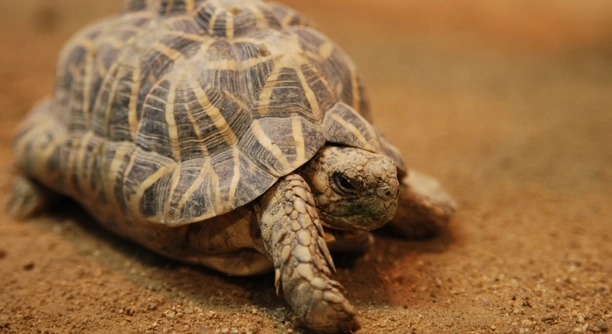
Is your Indian Star Tortoise refusing its food? You might be wondering what’s causing this behavior and how to resolve it. Various factors could be affecting its eating habits. Understanding these can help ensure a healthy tortoise.
The most common reason your tortoise avoids its food is improper environmental conditions. Factors such as temperature, humidity, and stress can significantly impact its appetite. Additionally, health issues like gastrointestinal problems may also play a role in food refusal.
Your tortoise’s eating habits can improve by addressing environmental or health-related factors. Identifying these issues will guide you in fostering a better eating environment for your pet.
Common Reasons Your Indian Star Tortoise Isn’t Eating
There are several reasons your tortoise may not be eating. One major factor could be the temperature of its environment. Indian Star Tortoises are ectothermic, meaning they rely on external heat to regulate their body temperature. If the enclosure is too cold, the tortoise might not feel active or hungry. Another common reason could be stress, which can occur from changes in its habitat, handling, or even the presence of other pets. Stress can lead to a lack of appetite, which can be frustrating for pet owners.
If you find that the temperature and stress levels are not the issues, there may be an underlying health problem. Illnesses, such as respiratory infections or digestive issues, can cause a tortoise to lose interest in food. If your tortoise continues to refuse food for an extended period, it is essential to seek advice from a veterinarian.
It’s crucial to address any potential issues promptly. A lack of appetite can lead to further health complications if left unchecked, affecting your tortoise’s overall well-being.
How to Fix Environmental Issues
A proper environment is essential for your tortoise’s health and appetite. Ensure the enclosure maintains a temperature of 85-90°F (29-32°C) during the day and drops to 70°F (21°C) at night.
Keeping the enclosure in the right range ensures your tortoise feels comfortable and active. Additionally, lighting is just as important, as UVB light helps with calcium absorption, which is necessary for proper digestion. These factors can help increase your tortoise’s food intake and overall health.
Sometimes, even with perfect environmental conditions, your tortoise may still avoid its food bowl. In such cases, it’s important to rule out other factors, including health problems, before making any changes to its habitat. If these issues persist, it’s best to seek professional help.
Health Issues Affecting Appetite
A lack of appetite in your Indian Star Tortoise could signal health problems. Common issues include respiratory infections, mouth rot, or parasites. These conditions often lead to lethargy and food refusal. If you notice other symptoms like wheezing, nasal discharge, or unusual behavior, a trip to the vet is crucial.
Health problems can drastically affect your tortoise’s well-being. Infections or internal parasites disrupt the digestive system, making it harder for them to feel hungry. Other conditions, like dehydration, can also decrease appetite. It’s important to monitor your tortoise closely for any signs of illness. A quick intervention can prevent more serious health issues.
In addition to visible symptoms, monitor your tortoise’s stool for irregularities. Diarrhea, for example, can be a sign of an infection or digestive issue. Regular health checks by a professional can help detect early signs of trouble before they become serious.
Stress and Its Impact on Eating Habits
Stress can have a significant impact on your tortoise’s eating habits. Frequent changes in the environment, such as moving its enclosure or introducing new animals, can cause anxiety. Stress affects the tortoise’s ability to digest and leads to a lack of interest in food.
Environmental stressors, like loud noises, bright lights, or even unfamiliar human interaction, may also contribute to your tortoise’s food avoidance. Try to create a calm, quiet environment to help your tortoise feel more comfortable. Reducing external stress can help restore its appetite over time.
If the tortoise feels unsafe, it may retreat into its shell, further avoiding food. Understanding these signs allows you to make the necessary adjustments. Once stressors are minimized, your tortoise may begin eating normally again.
Improper Diet
Feeding your tortoise the wrong foods can lead to a loss of appetite. Indian Star Tortoises require a diet rich in fiber, calcium, and low in protein. Providing them with too many high-protein foods, like meat, can cause digestive issues and food avoidance.
Offering a variety of leafy greens, such as dandelion greens, and occasional fruits can help maintain their interest in food. Avoid feeding them foods high in oxalates, like spinach, which can block calcium absorption. A balanced, species-appropriate diet is essential for keeping your tortoise healthy and encouraging it to eat.
Dehydration and Its Effects
Dehydration is a common issue that can lead to loss of appetite in tortoises. When your tortoise isn’t getting enough water, it may feel lethargic and refuse food.
Ensure your tortoise has constant access to fresh water. You can also soak it in lukewarm water for 15-20 minutes a few times a week to help with hydration. If you notice signs of dehydration, it’s important to take action immediately.
Overfeeding
Overfeeding can cause your tortoise to lose interest in its food. If it’s constantly given food, it may not feel the need to eat regularly.
It’s best to feed your tortoise once a day and remove any uneaten food after a few hours. This helps mimic natural feeding patterns and ensures your tortoise doesn’t get too accustomed to always having food available.
FAQ
Why is my Indian Star Tortoise not eating after moving to a new enclosure?
Moving to a new environment can be stressful for your tortoise, leading to a loss of appetite. The change in surroundings, unfamiliar smells, and new objects can cause anxiety. Stress from relocation can suppress their hunger. Make sure the new enclosure has the right temperature, humidity, and lighting. Allow your tortoise time to adjust and avoid handling it too much during the first few days.
What should I do if my tortoise is not eating for more than a few days?
If your tortoise refuses food for several days, check for signs of illness, such as respiratory issues or swollen eyes. If there are no external symptoms of illness, consider stress or environmental factors as the cause. If your tortoise’s refusal to eat continues, it’s best to consult a veterinarian to rule out underlying health problems. A lack of appetite for extended periods can lead to malnutrition or dehydration, so prompt action is necessary.
Can temperature changes affect my tortoise’s eating habits?
Yes, temperature plays a key role in your tortoise’s appetite. If the temperature in its enclosure is too low, it can cause the tortoise to become lethargic, slowing down its metabolism and reducing its desire to eat. Ensure the basking spot is between 85-90°F (29-32°C) during the day, with a cooler area for resting at night. Temperature control is essential for maintaining healthy eating habits in your tortoise.
How often should I feed my Indian Star Tortoise?
Indian Star Tortoises should be fed once a day, although younger tortoises may need more frequent feedings. Offering food at the same time each day can help establish a routine. It’s essential to provide a variety of leafy greens, vegetables, and occasional fruit. Avoid overfeeding, as this can lead to overeating and an increased risk of health issues.
Could my tortoise stop eating because of parasites?
Parasites, including internal worms and external mites, can affect your tortoise’s appetite. Infected tortoises may become lethargic, lose weight, or refuse food. Regular fecal tests from a veterinarian can detect parasites and ensure your tortoise remains healthy. If you suspect parasitic infection, a visit to the vet is necessary for proper treatment and care.
Should I be concerned if my tortoise is not eating in the winter?
During the cooler months, tortoises may naturally eat less due to decreased activity levels. Indian Star Tortoises are not hibernators, but their appetite can decrease as temperatures drop. Ensure that your tortoise’s enclosure is at an appropriate temperature to prevent it from becoming too sluggish. If your tortoise still avoids food, consider potential health concerns and consult a vet for advice.
Is it safe to hand-feed my tortoise to encourage eating?
Hand-feeding can sometimes help stimulate your tortoise’s appetite, especially if it’s reluctant to eat. However, it’s important to avoid making this a habit, as it can lead to dependence. Instead, focus on creating a comfortable environment with the right food and temperature. If hand-feeding is necessary, do it in moderation to avoid reinforcing unwanted behavior.
Can I try offering different foods to tempt my tortoise to eat?
If your tortoise is avoiding its regular food, trying different types of leafy greens or introducing fresh fruits may help. However, avoid giving foods that are too high in protein or sugars, as this can cause digestive issues. Stick to a balanced diet of fibrous vegetables and greens that are safe for your tortoise. Introducing variety occasionally can help spark interest in food without compromising its diet.
How can I tell if my tortoise is dehydrated?
Signs of dehydration in a tortoise include sunken eyes, dry skin, and lethargy. If your tortoise hasn’t been drinking or eating enough water, dehydration may set in. Regular soaking, along with providing fresh water, can help prevent dehydration. If you notice any signs of dehydration, soak your tortoise in lukewarm water for 15-20 minutes and monitor its condition closely.
What temperature is too cold for my Indian Star Tortoise?
Temperatures below 70°F (21°C) can be too cold for your tortoise, causing it to become lethargic and lose its appetite. Ensure your tortoise has access to a basking spot that reaches 85-90°F (29-32°C). At night, the temperature can safely drop to 70°F (21°C), but consistent cold temperatures will affect your tortoise’s feeding habits.
Final Thoughts
Addressing food refusal in your Indian Star Tortoise requires a careful look at various factors. Environmental conditions, diet, and overall health all play significant roles in whether or not your tortoise eats. Small changes in temperature, humidity, or light can influence its appetite, so maintaining an ideal habitat is essential. A balanced, species-specific diet will help ensure your tortoise stays healthy and motivated to eat. When adjusting its food, try offering a variety of fresh, leafy greens to see what it prefers. Avoid overfeeding and ensure that you are providing the correct nutritional balance. Sometimes, a minor tweak in their environment or routine can make a big difference in how they respond to food.
If food refusal continues, it’s important to rule out possible health problems. Tortoises can suffer from parasites, dehydration, or even more serious issues, and these can easily affect their appetite. Regular checkups with a veterinarian are recommended to monitor your tortoise’s health. Ensuring that your tortoise is hydrated and getting the proper vitamins and minerals will also prevent nutritional deficiencies. With the right care and attention, most tortoises will regain their appetite and return to their normal eating habits. Pay attention to changes in behavior, as they often signal an underlying issue that may need professional attention.
Understanding why your tortoise avoids its food bowl can be a process of elimination. By adjusting the enclosure, diet, and hydration, most problems can be addressed with relative ease. However, if your tortoise’s refusal to eat persists, seeking professional advice from a veterinarian is the best course of action. A healthy tortoise will generally show a natural interest in food, and any prolonged issues should not be ignored. Careful observation, proper care, and patience will ensure that your tortoise remains healthy and enjoys its meals once again.

Hello,
If you enjoy the content that we create, please consider saying a "Thank You!" by leaving a tip.
Every little bit helps us continue crafting quality advice that supports the health, happiness, and well-being of pets around the world, for pets of all shapes, sizes, and species.
We really appreciate the kindness and support that you show us!