
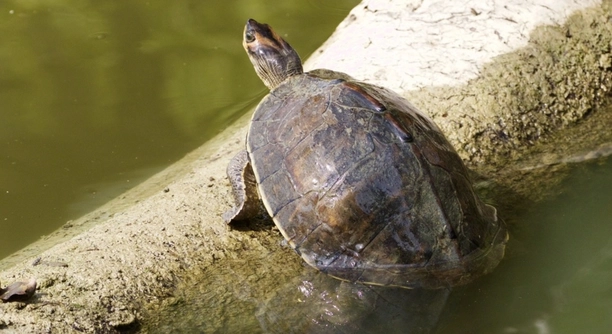
An Indian Roofed Tortoise’s tail swelling can be concerning, especially when it occurs unexpectedly. Understanding the causes behind this can help you address the situation and maintain your pet’s health. It’s important to identify possible triggers.
Swollen tails in Indian Roofed Tortoises can be caused by various factors, including injury, infection, or even improper care. It’s essential to monitor the tortoise’s overall health and consult a veterinarian for an accurate diagnosis and treatment plan.
Identifying the root cause of the swelling can help prevent future complications and ensure your tortoise remains in good health. Proper care and attention are essential for its well-being.
Possible Causes of Tail Swelling in Indian Roofed Tortoises
When it comes to your tortoise’s health, a swollen tail should never be ignored. Several factors could contribute to this issue. One of the most common causes is injury. A physical accident, like falling or getting caught in something, can lead to swelling. Another factor is infections, which may occur if the tortoise has a wound that’s not properly treated or kept clean. Infections in the tail area can quickly spread, leading to visible swelling and discomfort. Lastly, improper care, such as inadequate diet or poor living conditions, can also cause health issues that result in a swollen tail.
While it may seem like a minor problem, untreated tail swelling can lead to more severe complications. If the tortoise has been exposed to any of the above conditions, it’s crucial to act promptly. A veterinarian’s intervention is often needed to properly address the issue.
Keeping the tortoise in a clean, well-maintained environment can help prevent many common problems. Regular check-ups and observing any changes in behavior or physical appearance are essential to catching problems early.
How to Identify an Infection or Injury
In some cases, you may notice that the tortoise has a wound near the tail. This could point to an injury, which may lead to infection if not properly managed. A swollen tail could also be an indication of an underlying infection in the tissues.
Infections typically show signs like redness, discharge, or an increase in swelling. If these symptoms are present, it’s important to isolate the tortoise and clean the area gently. However, professional care should always be your first step to ensure the right treatment.
Impact of Poor Diet on Tortoise Health
A poor diet can lead to various health issues, including tail swelling. If your Indian Roofed Tortoise isn’t getting the proper nutrients, its immune system may be weakened, making it more prone to infections. Without the right vitamins and minerals, the tortoise’s body can’t fight off bacteria or repair damage effectively.
Inadequate calcium levels, for example, can affect shell and tail health. A lack of vitamin A may lead to skin issues, including swelling. Offering a balanced diet with leafy greens, vegetables, and occasional fruits is essential. Proper hydration is equally important to support digestion and prevent health problems.
Overfeeding or feeding the wrong types of food can also contribute to obesity, which affects mobility and the overall health of your tortoise. This can make them more vulnerable to tail injuries or infections, causing swelling and discomfort. A proper diet can prevent many of these issues and help maintain your tortoise’s overall well-being.
Tail Swelling Due to Overcrowded Living Conditions
Overcrowding can result in stress, which affects your tortoise’s immune system and overall health. When living in an environment with too many tortoises, they may fight for space, food, and warmth, causing physical injuries. These injuries could lead to tail swelling, particularly if the tortoise has been bitten or scratched by another.
In addition to physical harm, stress can make your tortoise more susceptible to infections. When a tortoise is stressed, it may not eat properly, leading to weakened health. Stress-related issues, such as improper digestion, can also make the immune system less effective in fighting infections, resulting in inflammation and swelling in the tail area. Providing ample space and a comfortable environment is key to preventing overcrowding and the associated health risks.
Tail Swelling Due to Dehydration
Dehydration is another common cause of tail swelling. When your Indian Roofed Tortoise isn’t drinking enough water, it can lead to reduced circulation and swelling. Dehydration can also affect organ function, weakening your tortoise’s overall health.
Without proper hydration, your tortoise may experience difficulty processing nutrients. This can slow down recovery from injuries and infections, worsening any swelling. Always make sure your tortoise has access to fresh water and monitor its intake regularly. Dehydration can often be corrected with increased water consumption, but severe cases may require veterinary care.
How to Maintain Proper Humidity Levels
Humidity is an important factor for your tortoise’s well-being. Too much or too little can lead to various health problems, including tail swelling. Low humidity can cause dehydration, while excessive humidity can encourage bacterial growth, leading to infections.
Maintaining proper humidity levels helps to regulate your tortoise’s hydration levels. This can be done by adjusting the temperature of the enclosure and providing a water source. Regularly checking the humidity with a hygrometer ensures the environment stays within the optimal range, preventing both dehydration and bacterial infections.
When to Seek Veterinary Care
If your tortoise’s tail swelling doesn’t improve with adjustments in care, it’s time to visit a vet. Persistent swelling can signal a deeper issue, like an infection that needs medical attention. Your vet will be able to identify the cause and offer the appropriate treatment.
FAQ
Why is my Indian Roofed Tortoise’s tail swollen?
A swollen tail in an Indian Roofed Tortoise can occur for several reasons, including injury, infection, dehydration, poor diet, and overcrowded living conditions. If you notice swelling, it’s important to identify the root cause so you can address it. Injuries may be visible with scrapes or wounds, while infections could cause redness or discharge. In some cases, improper care, such as an unbalanced diet or inadequate humidity levels, can make your tortoise more susceptible to tail swelling.
How can I tell if my tortoise has an infection?
Infections often cause visible swelling, warmth, and redness. You might also notice discharge or an unpleasant odor near the affected area. If the swelling appears to be accompanied by changes in behavior, like lethargy or loss of appetite, it’s a clear sign that an infection may be present. Consult a vet for proper treatment if you suspect an infection.
Can poor diet cause my tortoise’s tail to swell?
Yes, poor nutrition can lead to health problems, including tail swelling. A diet lacking essential vitamins and minerals, especially calcium and vitamin A, can weaken your tortoise’s immune system, making it more susceptible to infections and injuries. Offering a balanced diet with leafy greens, vegetables, and proper supplements helps prevent these issues.
What should I feed my Indian Roofed Tortoise to avoid health problems?
A healthy diet for an Indian Roofed Tortoise should include a variety of leafy greens such as dandelion greens, collard greens, and mustard greens. You can also offer occasional fruits, like strawberries or apples, but they should not be overfed due to their sugar content. Ensure that calcium and vitamin A supplements are part of their diet to keep them healthy. Avoid high-protein foods that can lead to kidney issues.
How does overcrowding affect my tortoise?
Overcrowding can cause stress, leading to both physical and emotional strain on your tortoise. This stress can weaken the immune system, making your tortoise more prone to infections and swelling. Additionally, overcrowded enclosures lead to competition for resources like space, food, and basking spots, which can result in fights or injuries, causing swelling in the tail or other parts of the body.
How can I prevent overcrowding in my tortoise’s habitat?
To prevent overcrowding, ensure that your tortoise’s enclosure is large enough to accommodate its size comfortably. The general rule is 10 square feet of space for every tortoise. If you have more than one tortoise, make sure there is enough room for each to have its own basking area and food. Regularly check that the habitat is not too cramped and provide separate hiding spots for each tortoise to reduce stress.
What are the best humidity levels for an Indian Roofed Tortoise?
Indian Roofed Tortoises thrive in a humidity range of 50% to 70%. Humidity that is too low can lead to dehydration, while excessive humidity can encourage the growth of bacteria, leading to potential infections. Maintaining consistent humidity levels can be achieved by misting the enclosure regularly or using a humidity-controlled enclosure. Always check the humidity levels with a hygrometer to ensure they stay within the optimal range.
How often should I clean my tortoise’s enclosure to avoid infections?
Regular cleaning is essential for preventing infections. Clean your tortoise’s enclosure at least once a week to remove waste and food debris. You should also disinfect the habitat monthly to kill bacteria and prevent fungal growth. Always provide clean water and fresh bedding for your tortoise. If you notice any signs of infection, more frequent cleaning may be necessary until the issue is resolved.
How can I tell if my tortoise is dehydrated?
Dehydration in tortoises can cause symptoms like sunken eyes, dry skin, and lethargy. If your tortoise’s tail is swollen, it may be due to dehydration, as inadequate water intake can impair circulation and lead to swelling. You may also notice a decrease in your tortoise’s normal activity levels. To ensure proper hydration, always provide fresh water and consider offering water-soaked vegetables or fruits, such as cucumber or watermelon, which help maintain hydration.
What should I do if my tortoise’s tail keeps swelling?
If your tortoise’s tail continues to swell despite changes in diet, humidity, or environment, it’s crucial to seek veterinary help. Persistent swelling may indicate an infection, injury, or underlying health issue that requires professional care. Your vet will be able to perform a thorough examination, possibly run tests, and recommend the proper treatment to address the swelling and prevent it from returning.
Is tail swelling common in Indian Roofed Tortoises?
Tail swelling is not particularly common but can happen under certain conditions. Injuries, infections, dehydration, or poor care practices are the most frequent causes. Regular observation of your tortoise’s behavior and physical condition can help detect early signs of swelling, allowing you to address the issue promptly.
Can I treat my tortoise’s swollen tail at home?
You can try some home remedies, like improving the diet, providing better hydration, and ensuring proper humidity levels. However, it’s important to consult a vet if the swelling doesn’t improve or if your tortoise shows signs of infection. Self-treatment might not be enough for severe cases, and professional care is usually required for a full recovery.
Final Thoughts
Taking care of an Indian Roofed Tortoise requires attention to its environment, diet, and overall health. Swollen tails can be caused by several factors, including injury, infection, dehydration, and poor living conditions. Identifying the cause of the swelling early can help you address the problem effectively and prevent further complications. It’s essential to monitor your tortoise’s behavior, diet, and habitat regularly. A healthy tortoise is a result of proper care and timely intervention when problems arise.
The most common reasons for tail swelling are preventable with proper care. Ensuring your tortoise has access to clean water, a balanced diet, and a humidity-controlled habitat are key steps to preventing dehydration and infection. If the swelling is due to injury or infection, it’s important to seek professional veterinary care to prevent further harm. Swelling that doesn’t go away or gets worse can indicate a serious issue that requires medical attention. In many cases, early intervention can prevent long-term damage and improve your tortoise’s health.
Always remember that regular checks and a consistent routine play a major role in keeping your tortoise healthy. Avoid overcrowding and provide ample space for your tortoise to move around. Create a stress-free environment with appropriate lighting and heating. By being proactive about your tortoise’s care and well-being, you’ll not only help prevent tail swelling but also ensure your tortoise lives a long, healthy life.

Hello,
If you enjoy the content that we create, please consider saying a "Thank You!" by leaving a tip.
Every little bit helps us continue crafting quality advice that supports the health, happiness, and well-being of pets around the world, for pets of all shapes, sizes, and species.
We really appreciate the kindness and support that you show us!