
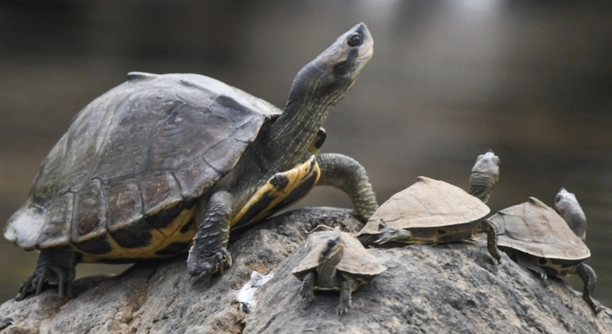
If you own an Indian Roofed Tortoise, you might notice that its skin is peeling from time to time. This can be concerning for many pet owners, as the health of your tortoise is important.
Peeling skin in an Indian Roofed Tortoise is typically caused by shedding. It is a natural process where the tortoise outgrows its old skin and replaces it with new, healthy skin. However, if the peeling is excessive, it may indicate other health issues.
Understanding the reasons behind this behavior will help you address any potential concerns and ensure the well-being of your tortoise.
Why Is My Indian Roofed Tortoise Shedding Skin?
Shedding is a normal part of an Indian Roofed Tortoise’s life cycle. Like many reptiles, tortoises periodically shed their skin to allow for growth. This process usually happens gradually over time. You might notice small pieces of skin flaking off, which is typical and not a cause for concern. However, excessive shedding or areas of skin coming off in chunks can signal underlying issues, such as dehydration or poor humidity levels. It’s essential to keep the habitat conditions ideal for your tortoise’s skin health. Proper care can ensure that the shedding process remains natural and stress-free for your pet.
Keeping your tortoise hydrated and maintaining proper humidity levels are key factors in healthy skin shedding. Ensure your tortoise has access to fresh water at all times and that its enclosure has the right level of moisture to avoid skin problems.
If your tortoise is shedding too much skin or showing signs of skin infections, it’s important to adjust the habitat and consult with a vet. Proper care includes maintaining a balanced diet and avoiding extreme temperature changes, as these can affect shedding. When in doubt, having your tortoise examined by a vet can provide clarity and peace of mind. Regular check-ups are a great way to keep your pet in optimal health.
Humidity and Temperature: Key Factors in Skin Health
Humidity plays a major role in your tortoise’s skin condition. If the environment is too dry, your tortoise may struggle to shed skin properly, leading to irritation or excessive peeling. Maintaining a proper humidity level of around 50-60% helps ensure that the tortoise can shed naturally.
Temperature also influences skin health. If the enclosure is too hot or too cold, it can cause stress and skin shedding issues. Make sure the temperature is kept within the range of 75-85°F. A basking area should be warmer, around 90°F. This temperature range allows the tortoise to stay comfortable, helping its skin shed correctly. Monitoring both temperature and humidity with a thermometer and hygrometer is essential.
Ensure that the habitat offers a gradient of temperatures, allowing your tortoise to regulate its body heat. Having both a cooler area and a warm basking spot encourages healthy activity and digestion, which in turn supports healthy skin. Avoid sudden temperature changes, as these can contribute to shedding problems or stress.
FAQ
Why is my tortoise shedding more than usual?
Excessive shedding in a tortoise may indicate that environmental conditions aren’t optimal. This could be due to low humidity or temperature fluctuations in their habitat. Stress can also cause more frequent shedding, so ensure your tortoise feels secure in its environment. It’s important to maintain the proper temperature and humidity levels for your tortoise’s comfort and health. If the shedding continues or worsens, it may be necessary to consult a veterinarian to rule out any underlying medical issues.
Can a poor diet cause skin problems in tortoises?
Yes, a poor diet can contribute to skin problems in tortoises. If they are not getting the proper nutrients, it can affect their skin health and cause excessive shedding. A balanced diet is crucial for your tortoise’s overall well-being. Include leafy greens, some fruits, and high-fiber vegetables in their meals. Avoid feeding them too much fruit or high-protein foods, as this can disrupt their digestive system and affect their skin. If you’re unsure about the best diet for your tortoise, it’s a good idea to talk to a reptile specialist.
How often do Indian Roofed Tortoises shed their skin?
Indian Roofed Tortoises typically shed their skin every few weeks or months, depending on their age, diet, and environment. Younger tortoises may shed more frequently as they grow, while adults shed less often. The shedding process is natural and happens in small patches. If you notice large areas of skin peeling, it might be a sign of an environmental issue, such as low humidity or inadequate heat.
Can I help my tortoise shed its skin?
While you can’t force your tortoise to shed its skin, you can create an environment that encourages healthy shedding. Ensure that the humidity in the enclosure is maintained at the right level. Provide access to fresh water and ensure that the basking area is at the appropriate temperature. You may also consider soaking your tortoise in lukewarm water for a short period to help loosen any skin that hasn’t shed naturally. However, always avoid using harsh methods that could cause stress or harm.
How can I prevent my tortoise’s skin from peeling excessively?
Preventing excessive skin peeling involves maintaining a stable environment. Ensure that the humidity level is around 50-60% and the temperature is between 75-85°F. A proper diet, hydration, and UVB lighting will also help in keeping your tortoise’s skin healthy. If you notice peeling is becoming a consistent issue, it’s best to review the conditions of the enclosure and make necessary adjustments. A regular cleaning routine can also help to ensure a healthier living space.
Is it normal for my tortoise’s skin to look dull before shedding?
Yes, it’s completely normal for your tortoise’s skin to appear dull or discolored before shedding. As the new skin forms underneath, the old skin may lose its shine and appear rough or dry. This is a natural process and typically occurs before the shedding takes place. Ensure your tortoise’s environment supports healthy skin shedding by keeping the humidity and temperature levels steady. If the dullness persists or is accompanied by other symptoms, it’s advisable to check for any health issues.
Should I worry if my tortoise has dry patches on its skin?
Dry patches on your tortoise’s skin can be a sign of dehydration or insufficient humidity in their environment. It’s important to regularly check the humidity and temperature levels in their enclosure to make sure they are within the correct ranges. If the dryness persists despite these adjustments, it could be a sign of a more serious issue, such as a skin infection or nutritional imbalance. Consult with a veterinarian to ensure your tortoise receives the proper treatment.
Can I apply moisturizer to my tortoise’s skin?
It’s generally not recommended to apply moisturizers or lotions to your tortoise’s skin. Tortoises have natural oils in their skin that help maintain its health. Adding artificial moisturizers could interfere with this balance and cause more harm than good. Instead, focus on ensuring the proper humidity and temperature in their environment, as this will help keep their skin healthy and hydrated naturally.
Is it okay to let my tortoise soak in water?
Soaking your tortoise in lukewarm water for short periods can be beneficial, especially if you notice signs of dehydration or difficulty shedding. It can help loosen stubborn skin and provide hydration. However, avoid soaking your tortoise for extended periods, as it may cause stress or make it more prone to respiratory infections. Always supervise your tortoise while it’s in the water to ensure it doesn’t stay submerged too long.
How can I tell if my tortoise has a skin infection?
Skin infections in tortoises can manifest as swelling, discolored patches, sores, or a discharge. If you notice these signs or if the peeling seems unusual or painful, it’s important to consult a veterinarian. Infections can occur if the skin is damaged or if the tortoise is exposed to unsanitary conditions. Keeping the living space clean and monitoring your tortoise’s overall health will help prevent skin infections.
What is the best way to clean my tortoise’s shell and skin?
Cleaning your tortoise’s shell and skin can be done gently with a soft brush or cloth. Use lukewarm water and avoid any harsh cleaning agents or soaps, as these could irritate their skin. It’s important to ensure that your tortoise’s environment stays clean, but avoid overhandling them, as this can cause stress. Regular cleaning of the enclosure is more important than frequent physical cleaning of the tortoise itself.
Final Thoughts
Taking care of an Indian Roofed Tortoise involves attention to its environment, diet, and overall health. Skin peeling is a natural process, but if it becomes excessive, it’s a sign that something in the environment may not be quite right. Proper humidity, temperature, and a balanced diet are key to maintaining a healthy tortoise. When the conditions are correct, your tortoise will shed its skin in a natural and healthy way without issues. Regular monitoring of these factors will help prevent skin-related problems from arising.
While skin shedding is often nothing to worry about, it is important to stay alert. If you notice unusual peeling or dry patches that don’t improve, it may be time to adjust the enclosure’s settings or review the tortoise’s diet. Sometimes, underlying health problems can manifest in skin issues. A veterinarian specializing in reptiles can offer guidance if the condition persists or worsens. Keeping a close eye on your tortoise’s behavior and overall health will help you catch any potential problems early.
In summary, a healthy habitat is the foundation for preventing issues like excessive skin peeling in your tortoise. By maintaining proper temperature, humidity, and diet, you can ensure that your tortoise thrives. Regular checks and adjustments, along with professional guidance when needed, will help keep your tortoise happy and healthy.

Hello,
If you enjoy the content that we create, please consider saying a "Thank You!" by leaving a tip.
Every little bit helps us continue crafting quality advice that supports the health, happiness, and well-being of pets around the world, for pets of all shapes, sizes, and species.
We really appreciate the kindness and support that you show us!