
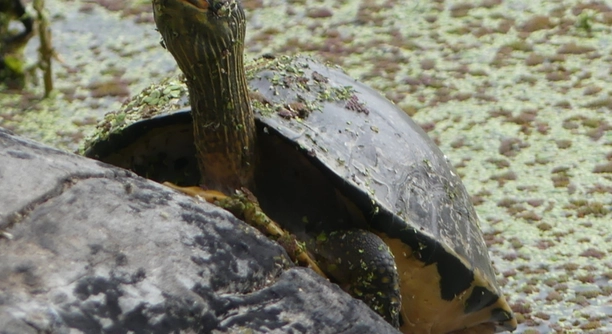
An Indian Roofed Tortoise’s shell can sometimes change color, including turning white. If you notice this, it’s important to understand what could be causing it and how to address the issue for your tortoise’s well-being.
The white color on your Indian Roofed Tortoise’s shell can be caused by various factors such as dehydration, fungal infections, or improper lighting and diet. Identifying the root cause is essential for providing the right solution to help your pet recover.
There are simple steps you can take to resolve the issue and promote a healthier, more comfortable environment for your tortoise. Let’s explore how to address this problem effectively.
Possible Causes for White Shell on Your Indian Roofed Tortoise
When your tortoise’s shell turns white, it can indicate a few different issues. One of the most common causes is dehydration. If your tortoise isn’t drinking enough water or isn’t properly hydrated, the shell can become dry and change color. Another reason could be fungal infections. These are often caused by a damp and unclean environment, which encourages fungi to grow. Poor diet, particularly a lack of calcium, can also affect the health of your tortoise’s shell. If the shell is weak or not getting the necessary nutrients, it can develop discoloration. Lastly, improper lighting or temperature can impact your tortoise’s overall health, leading to shell issues. It’s essential to address these concerns early to avoid further complications.
Identifying the exact cause is key to providing the proper care your tortoise needs to recover. If unsure, consult with a vet who specializes in reptiles.
Ensuring that your tortoise has access to clean water, a balanced diet, and proper lighting will go a long way in preventing or fixing shell discoloration. Start by adjusting their habitat: ensure they have enough space to roam, proper humidity levels, and UVB light to promote shell health. A humid environment can help combat dehydration, while adequate UVB exposure will support calcium absorption, crucial for a healthy shell. If fungal infection is suspected, a vet will guide you on treatments to clear it up safely. Regular check-ups can prevent future problems and help monitor any changes in their shell color.
How to Fix the Issue
The best way to fix a white shell is by addressing the underlying issue. Start by improving hydration. Make sure your tortoise has fresh water available at all times. You can also soak your tortoise in warm water for 10-15 minutes a few times a week to help with dehydration. This will keep their shell moist and healthy.
If you suspect a fungal infection, cleaning the tortoise’s enclosure thoroughly is essential. Disinfect the area and remove any moldy materials. You may need antifungal treatments prescribed by a vet to clear up the infection.
Lastly, ensuring a balanced diet rich in calcium and vitamins will help prevent shell issues in the future. Consider adding calcium supplements or calcium-rich foods like leafy greens to your tortoise’s diet.
Hydration and Soaking
Dehydration is one of the main reasons your tortoise’s shell may turn white. Ensuring that your tortoise has access to clean water at all times will help prevent this. Regular soaking is another key way to rehydrate your tortoise.
Soaking your tortoise in warm water for about 10 to 15 minutes a few times a week can help replenish moisture. Make sure the water is not too hot or cold—lukewarm is best. This will allow the tortoise to drink from the water and absorb moisture through its skin. During the soak, gently touch the shell to see if it feels more hydrated.
While soaking is important, you also need to monitor their overall water intake. You can place a shallow dish of water in the enclosure to encourage drinking. If the environment is too dry, use a misting system or a humidity tray to maintain moisture levels around them.
Fungal Infections and Cleaning
Fungal infections are another common reason for a white shell. If your tortoise’s shell is turning white, a fungal infection may be the cause. Mold can develop in damp or dirty enclosures, leading to these infections. Cleanliness is essential in preventing and treating this condition.
To treat a fungal infection, you’ll first need to thoroughly clean the enclosure. Scrub all surfaces with a reptile-safe disinfectant, removing any moldy materials. Make sure the habitat is dry and free from moisture buildup. Disinfect the tortoise’s shell carefully, ensuring it’s free from fungal spores.
If the infection persists or seems severe, consult with a vet who may prescribe an antifungal medication. Using antifungal cream or wipes specifically for reptiles can help address the issue. Keep your tortoise’s enclosure dry and clean to prevent future outbreaks.
Diet and Nutrition
A poor diet can also lead to a white shell on your tortoise. If your tortoise isn’t getting the necessary nutrients, it can result in shell discoloration and other health issues. A lack of calcium and vitamins can affect their shell health.
Ensure your tortoise has a balanced diet filled with leafy greens, vegetables, and other calcium-rich foods. You can also supplement their diet with calcium powder. A proper diet will help promote stronger, healthier shells, and prevent discoloration. Over time, this will also help your tortoise thrive.
Proper Lighting
UVB lighting is essential for your tortoise’s health. Without it, your tortoise can’t properly absorb calcium, leading to soft or white spots on its shell. Make sure the enclosure has a proper UVB light source.
UVB light encourages vitamin D3 production, which is vital for calcium metabolism. Without sufficient UVB exposure, your tortoise might suffer from metabolic bone disease. Ensure your UVB light is replaced every six months, as its effectiveness decreases over time. Make sure the light is positioned properly, allowing your tortoise to bask under it for adequate exposure.
Temperature Control
Temperature control plays an important role in your tortoise’s well-being. Too high or too low of a temperature can affect your tortoise’s shell health. Proper temperature is essential for digestion and overall health.
A warm basking spot with a temperature of around 90°F is ideal for your tortoise. The cooler end of the enclosure should be around 70-75°F. Having a proper gradient ensures your tortoise can regulate its body temperature. If the temperature fluctuates too much, it can stress your tortoise and impact shell health.
FAQ
Why is my Indian Roofed Tortoise’s shell turning white?
There are several potential reasons why your tortoise’s shell may be turning white. The most common causes are dehydration, fungal infections, a poor diet, and insufficient UVB lighting. Dehydration can cause the shell to appear dry and pale. Fungal infections, often caused by excess moisture in the environment, can lead to a whitish discoloration. A lack of calcium or poor diet can also affect shell health. Finally, inadequate UVB lighting can prevent proper calcium absorption, weakening the shell and leading to discoloration.
What should I do if my tortoise has a white shell?
If your tortoise has a white shell, the first step is to assess its environment and care routine. Start by ensuring your tortoise has access to clean, fresh water at all times, and consider soaking it in warm water to help with dehydration. Then, check the humidity and temperature in the enclosure to make sure they are at optimal levels. Clean the enclosure thoroughly to remove any potential sources of fungal infection. Additionally, make sure your tortoise is getting a balanced diet with sufficient calcium and that it has access to UVB light. If the shell remains white or worsens, a vet visit is recommended.
Can dehydration cause my tortoise’s shell to turn white?
Yes, dehydration can cause your tortoise’s shell to become white or dull. When a tortoise doesn’t get enough water, its shell can dry out and lose its natural shine. This dehydration might also lead to other health problems. Soaking your tortoise in warm water a few times a week can help rehydrate it, as well as increasing its overall water intake. Keeping the enclosure humid enough and offering fresh water regularly can help prevent this from happening.
How can I treat a fungal infection on my tortoise’s shell?
If your tortoise’s white shell is caused by a fungal infection, you’ll need to clean its enclosure thoroughly. Remove any moldy or damp materials and disinfect the area using a reptile-safe cleaner. After cleaning the enclosure, dry it out to prevent further fungal growth. You can also clean your tortoise’s shell gently with a soft brush and antifungal solution recommended by your vet. If the infection doesn’t improve after a few days or appears severe, consult with a reptile vet for antifungal medication or topical treatments.
How do I prevent my tortoise’s shell from turning white in the future?
To prevent your tortoise’s shell from turning white, make sure to maintain a proper care routine. Provide fresh water for drinking and soaking regularly. Ensure the enclosure is clean, dry, and free from any fungal growth. Keep the temperature and humidity levels at the right range, and provide UVB light for calcium absorption. A balanced diet, including calcium-rich vegetables and supplements, will support shell health. Regularly monitor your tortoise’s health and check its shell for any early signs of issues. Regular vet check-ups will also help detect and address any problems before they get worse.
Is it normal for my tortoise’s shell to change color?
A tortoise’s shell can naturally change color over time, especially as it matures. However, any drastic change in color, like turning white, usually indicates a health problem. If the color change is accompanied by other signs such as lethargy, appetite loss, or deformities, it’s important to investigate the cause. Regular care and a proper environment will help prevent unwanted color changes in your tortoise’s shell.
How can I improve my tortoise’s diet for shell health?
To improve your tortoise’s diet, ensure it has access to a variety of leafy greens, vegetables, and fruits. Offer calcium-rich foods like kale, dandelion greens, and collard greens. You can also sprinkle calcium powder on their food or add a calcium supplement to their water. Avoid feeding too much fruit, as it is high in sugar, which can cause digestive problems. A diverse and balanced diet is key to ensuring that your tortoise gets all the essential nutrients for strong and healthy shell growth.
Can I use regular light bulbs instead of UVB light for my tortoise?
No, regular light bulbs do not provide the UVB rays that tortoises need for proper calcium absorption. UVB light is crucial for your tortoise’s overall health and shell integrity. Without it, your tortoise can develop shell deformities and metabolic bone disease. Make sure to use a UVB light specifically designed for reptiles, and place it close enough to your tortoise’s basking spot to allow for proper exposure. UVB bulbs need to be replaced every six months, even if they still emit visible light, as their UVB output diminishes over time.
How do I ensure my tortoise gets enough calcium?
To ensure your tortoise gets enough calcium, provide a calcium-rich diet with foods like dark leafy greens and certain vegetables. You can also add a calcium supplement to their food or water. A UVB light is essential for calcium absorption, so ensure it is in place. If your tortoise is not getting enough calcium, its shell can become weak or discolored. Always monitor your tortoise’s diet and check for any signs of calcium deficiency, such as shell softening or deformities. If in doubt, consult a vet for guidance on proper supplementation.
Is it safe to handle my tortoise if its shell is turning white?
It’s generally safe to handle your tortoise even if its shell is turning white, as long as you handle it gently. However, if the discoloration is due to a fungal infection or other health issue, it’s important to avoid causing additional stress to your tortoise. Always wash your hands after handling it to prevent the spread of any potential fungal spores or bacteria. If you’re concerned about your tortoise’s condition, consult a vet before handling it for extended periods.
Can stress cause my tortoise’s shell to turn white?
Yes, stress can contribute to your tortoise’s shell turning white. Stress from improper living conditions, environmental changes, or handling can weaken your tortoise’s immune system, leading to dehydration, poor diet, or fungal infections—all of which can affect the shell’s appearance. Ensuring your tortoise has a stable, quiet environment, with appropriate humidity, temperature, and space to roam, can reduce stress and prevent shell issues. Reducing handling and keeping their habitat as stress-free as possible will improve their health.
Final Thoughts
Understanding the cause of your Indian Roofed Tortoise’s shell turning white is the first step in addressing the issue. Whether it’s dehydration, a fungal infection, or a lack of proper lighting and diet, identifying the cause will help guide you toward the right solution. It’s important to assess your tortoise’s environment regularly. Check the temperature, humidity, and cleanliness of the enclosure, as these factors play a huge role in your tortoise’s overall health. Keeping a balanced diet rich in calcium and making sure your tortoise gets the proper UVB exposure is essential to support its shell health.
While some shell discoloration may be harmless, it’s always best to act quickly if you notice any changes. If the white discoloration persists or worsens, it may be time to seek advice from a veterinarian who specializes in reptiles. Fungal infections, in particular, can spread quickly and may require specific antifungal treatments to resolve. Regular vet check-ups can also help identify early signs of other health issues before they become serious problems. Catching issues early can make a big difference in your tortoise’s recovery and long-term well-being.
Preventing future shell discoloration comes down to consistent care. Proper hydration, a clean environment, adequate lighting, and a balanced diet are all vital components in maintaining a healthy tortoise. With the right routine and regular observation, you can ensure your tortoise’s shell stays strong and vibrant. If you stay on top of these aspects of care, you’ll be able to address any potential problems before they get worse. By keeping your tortoise’s environment stable and providing the necessary nutrients, you help give it the best chance for a healthy life.

Hello,
If you enjoy the content that we create, please consider saying a "Thank You!" by leaving a tip.
Every little bit helps us continue crafting quality advice that supports the health, happiness, and well-being of pets around the world, for pets of all shapes, sizes, and species.
We really appreciate the kindness and support that you show us!