
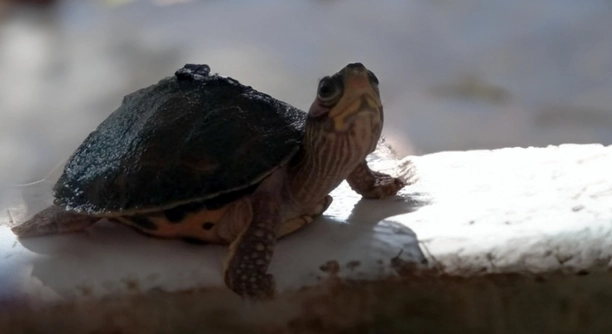
The Indian Roofed Tortoise is a popular pet, known for its unique shell. However, owners may notice changes in the shell’s color, which could be concerning. Understanding the causes behind this shift is essential for proper care.
The discoloration of your Indian Roofed Tortoise’s shell can be caused by various factors such as poor diet, environmental stress, or fungal infections. Lack of proper UVB exposure or improper humidity levels may also contribute to this issue, requiring immediate attention.
Taking the right steps to address shell discoloration can improve your tortoise’s health. Understanding these factors ensures your pet’s well-being, so let’s explore the solutions to keep your tortoise healthy and thriving.
Common Causes of Discoloration in Indian Roofed Tortoises’ Shells
When the shell of your Indian Roofed Tortoise starts to lose color, it’s essential to address the issue promptly. Shell discoloration can be linked to several common factors, including diet, environmental conditions, and health problems. An improper diet lacking in essential vitamins, such as vitamin A and calcium, can lead to a pale shell. Inadequate UVB light exposure, which is critical for the tortoise’s shell development and overall health, can also cause color changes. Furthermore, poor humidity or temperature levels in their enclosure may stress the tortoise, resulting in fading shell coloration.
Many pet owners are unaware that changes in water quality or improper soaking habits could also play a role. Shell discoloration is often a sign that something is wrong with the care routine, so it is important to regularly monitor the environment and diet. Adjustments in habitat conditions and feeding practices are necessary for addressing these concerns.
Addressing these factors can help prevent further discoloration and promote a healthier, more vibrant shell. Ensuring a balance of nutrients, temperature, humidity, and light will help restore its natural color.
Poor Diet and Vitamin Deficiencies
A well-balanced diet is key to maintaining your tortoise’s shell color. A lack of essential nutrients, particularly vitamin A and calcium, may lead to a weakened shell, affecting its appearance. Proper dietary choices, including leafy greens and supplements, are necessary for a healthy shell.
If your tortoise’s diet is inadequate, the shell may become discolored or dull. For example, without enough calcium, the shell can appear lighter and more fragile. You should offer foods rich in calcium, such as dark leafy greens like collard greens and dandelion leaves, along with vitamin A-rich vegetables like carrots. Additionally, vitamin D3 is crucial for the absorption of calcium, so exposure to natural sunlight or UVB lighting is vital.
Proper diet maintenance is not only important for shell health but for overall well-being. Avoiding processed or low-nutrient foods and focusing on high-quality, natural foods will prevent deficiency-related issues. Adjusting your tortoise’s diet can make a noticeable difference in restoring shell color.
Environmental Stress and Temperature
Shell discoloration can also result from environmental stress, particularly when the temperature and humidity levels are inconsistent. If your tortoise is kept in an area that is too hot or too cold, it may experience stress, which can affect the appearance of its shell. Indian Roofed Tortoises need a stable temperature of about 80-85°F (27-29°C) during the day, with a basking area reaching up to 95°F (35°C). At night, temperatures should drop slightly but remain above 70°F (21°C). Fluctuating temperatures can cause unnecessary stress and impact shell health.
Humidity plays a significant role as well. These tortoises require moderate humidity levels, typically around 50-60%. In drier conditions, their skin and shell can dry out, leading to discoloration and even cracks. Misting the enclosure and providing a shallow water dish can help regulate humidity. By maintaining consistent environmental conditions, you reduce the risk of shell issues.
Creating a balanced and stable habitat is key. Temperature fluctuations and improper humidity levels are simple factors to control but play a large role in the health of your tortoise’s shell. Adjustments to the enclosure can restore color and vitality to the shell.
Fungal Infections and Shell Health
Fungal infections can cause discoloration on your tortoise’s shell, typically resulting in patches of white or dull spots. These infections thrive in warm, humid environments and often occur when the shell is constantly exposed to moisture without proper drying.
Fungal growth on the shell is often caused by prolonged exposure to damp conditions, such as excess humidity in the enclosure or waterlogged bedding. It can lead to a lack of luster and uneven color, affecting the overall appearance of the shell. Treatment usually involves cleaning the affected areas with antifungal solutions and improving the enclosure’s ventilation to prevent further growth.
A fungal infection can also weaken the shell over time, making it more vulnerable to injury or damage. To prevent such issues, ensure that the enclosure is dry, clean, and well-ventilated. Regular cleaning and proper humidity control can significantly reduce the risk of fungal infections and help maintain your tortoise’s shell color.
Lack of UVB Light and Shell Discoloration
UVB light is essential for your Indian Roofed Tortoise’s overall health, including the proper development and maintenance of its shell. Without adequate exposure to UVB light, the tortoise may suffer from calcium deficiencies, leading to shell issues such as discoloration.
UVB light helps the tortoise synthesize vitamin D3, which is crucial for calcium absorption. Without enough UVB light, your tortoise may develop metabolic bone disease, causing shell deformities and color fading. Even if you keep your tortoise in a bright spot, the absence of direct UVB exposure can still lead to health problems.
Ensure your tortoise has access to proper UVB lighting for 10-12 hours a day. If you use artificial UVB lamps, replace them every six months to maintain their effectiveness. Allowing natural sunlight exposure can also benefit their overall health and shell appearance.
Shell Mites and Their Impact
Shell mites are tiny parasites that can live on your tortoise’s shell, leading to discoloration and irritation. These mites often cause scabbing and a dull appearance, making the shell look unhealthy. If you notice excessive scratching or unusual behavior, mites may be the cause.
Mites feed on the tortoise’s skin and shell, creating irritation and stress. Infected tortoises may also develop small lesions or scabs on their shells. If left untreated, the infestation can worsen, causing further damage to the shell and affecting the tortoise’s health. Treatment includes cleaning the shell and using mite-repelling solutions.
To prevent mite infestations, regularly check your tortoise for signs of irritation or discoloration. Ensure the enclosure is kept clean and dry, as mites thrive in damp, unsanitary conditions. Regularly disinfecting the habitat will help avoid these pests and keep your tortoise’s shell in good condition.
Overexposure to Sunlight
Excessive exposure to sunlight can also lead to shell discoloration in tortoises. While UVB light is necessary for their health, too much direct sunlight can cause dehydration and damage to the shell. It’s important to balance sunlight exposure.
Tortoises need a proper amount of sunlight for vitamin D3 synthesis but should not be exposed to excessive direct sunlight for long periods. Overexposure can cause dehydration, which may lead to shell damage and fading colors. To avoid this, provide shaded areas within the enclosure or create an area where the tortoise can retreat from the sun when needed. Proper hydration is equally important to maintain a healthy shell and overall well-being.
FAQ
What should I do if my Indian Roofed Tortoise’s shell is losing color?
If your tortoise’s shell is losing color, it’s essential to check the environment and diet. Ensure your tortoise is getting enough UVB light and calcium. Also, monitor the temperature and humidity levels in their enclosure. Adjust the lighting, diet, and habitat conditions to restore their shell’s color. If the issue persists, a visit to the vet is recommended to rule out infections or diseases.
How do I prevent my tortoise’s shell from fading?
To prevent fading, ensure proper care by providing balanced nutrition, including vitamin A and calcium-rich foods. Make sure your tortoise has access to UVB lighting and natural sunlight, as these are crucial for maintaining a healthy shell. Regularly clean the enclosure to avoid fungal or mite infestations, which can cause discoloration. Avoid keeping the tortoise in excessively humid or dry environments, as this can stress them.
Can poor diet cause my tortoise’s shell to lose color?
Yes, poor diet can contribute to shell discoloration. A lack of essential nutrients, such as vitamin A and calcium, can lead to weakened shells that lose their natural color. Feeding your tortoise a variety of fresh vegetables, greens, and occasional fruits will ensure they get the nutrients they need. Consider adding supplements if necessary to avoid deficiencies.
What are the signs of a fungal infection on a tortoise’s shell?
Signs of a fungal infection on a tortoise’s shell include patches of white or gray spots, dull or uneven color, and possible softening of the shell. The tortoise may also show signs of discomfort or excessive scratching. If you suspect a fungal infection, consult with a veterinarian for proper treatment and care.
Is UVB light really important for my tortoise’s shell?
Yes, UVB light is crucial for your tortoise’s health, including shell maintenance. UVB light helps your tortoise synthesize vitamin D3, which is necessary for calcium absorption. Without adequate UVB exposure, your tortoise could develop shell issues, including discoloration and softening. Ensure they get 10-12 hours of UVB exposure each day, either from natural sunlight or a reliable UVB lamp.
Can my tortoise’s shell lose color due to stress?
Yes, stress can cause shell discoloration in tortoises. Factors such as improper temperature, humidity, or overcrowding in their enclosure can cause stress. Stress weakens the tortoise’s immune system and can affect the health of its shell, leading to changes in color. Maintaining stable environmental conditions and avoiding unnecessary stressors will help prevent this.
How do I treat shell mites on my tortoise?
If you notice signs of shell mites, such as scabs, irritation, or discoloration, you’ll need to treat the infestation immediately. Start by cleaning the affected areas using a mild antiseptic solution. Use a mite treatment recommended by a vet, and clean the enclosure thoroughly to remove mites. Regularly check your tortoise for signs of mites, especially in damp conditions.
Can overexposure to sunlight cause shell discoloration?
Yes, too much direct sunlight can cause dehydration and damage the shell, leading to discoloration. While UVB light is essential, it is important to ensure your tortoise has access to shaded areas in their enclosure. Overexposure to sunlight, without a place to retreat, can lead to health problems, including shell issues.
What is the best humidity level for my tortoise’s shell health?
The ideal humidity for an Indian Roofed Tortoise is around 50-60%. Too much humidity can cause fungal infections, while too little can lead to dehydration and dry, cracked shells. Use a hygrometer to monitor the humidity levels in your tortoise’s enclosure, and make adjustments to maintain the right balance.
Is shell discoloration always a sign of a serious problem?
Not always. Shell discoloration can sometimes be a sign of minor issues, such as environmental factors or diet imbalances. However, if the discoloration is accompanied by other symptoms, such as softening of the shell, lack of activity, or unusual behavior, it could indicate a more serious problem. Consulting a veterinarian for a professional diagnosis is always a good idea.
How often should I replace the UVB bulb for my tortoise?
UVB bulbs should be replaced every six months, even if they still seem to work. Over time, the effectiveness of the UVB light decreases, and your tortoise will not receive the necessary levels of UVB exposure. Make sure to use a high-quality UVB bulb designed specifically for reptiles to maintain proper health.
Can a poor living environment cause my tortoise’s shell to lose color?
Yes, a poor living environment can cause shell discoloration. Factors like improper temperature, humidity, and cleanliness can stress your tortoise and lead to health issues, including color fading on the shell. Regularly clean the enclosure, ensure proper lighting, and monitor the temperature and humidity to provide the best environment for your tortoise.
Is there a way to restore my tortoise’s shell color naturally?
To restore your tortoise’s shell color, make adjustments to its diet, lighting, and habitat. Ensure your tortoise has access to UVB light and fresh, nutrient-rich food. Regularly clean the shell to remove any buildup that might be blocking its natural appearance. Giving your tortoise a stable and healthy environment will promote recovery over time.
Final Thoughts
Caring for an Indian Roofed Tortoise involves more than just providing food and water. Their shell health is an important aspect of their overall well-being, and when their shell begins to lose color, it can indicate underlying issues that need attention. A well-balanced diet, proper UVB lighting, and suitable habitat conditions are crucial to ensuring your tortoise maintains a healthy shell. Regularly monitoring your tortoise’s behavior and physical condition can help identify potential problems early, allowing you to address them before they become serious.
While shell discoloration can sometimes be harmless, it is often a sign that something needs to be adjusted in the tortoise’s care routine. From environmental factors like temperature and humidity to diet-related deficiencies or stress, many variables can affect the appearance of their shell. Paying close attention to these factors and making any necessary changes can help prevent further issues. If the discoloration persists or worsens, it is always a good idea to consult with a veterinarian, as they can provide a professional diagnosis and offer treatment options.
Overall, maintaining a clean, comfortable, and well-regulated living environment is essential for your tortoise’s health. Shell discoloration can be a minor concern, but it should never be ignored, as it can be a sign of something more serious. Regular care and observation, combined with proper environmental conditions, will help keep your Indian Roofed Tortoise in optimal health, ensuring it thrives for years to come. By following the right steps and seeking professional advice when necessary, you can keep your tortoise’s shell vibrant and healthy.

Hello,
If you enjoy the content that we create, please consider saying a "Thank You!" by leaving a tip.
Every little bit helps us continue crafting quality advice that supports the health, happiness, and well-being of pets around the world, for pets of all shapes, sizes, and species.
We really appreciate the kindness and support that you show us!