
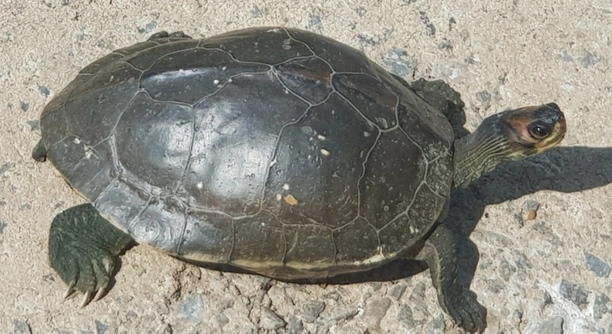
An Indian Roofed Tortoise’s sensitivity to touch is a common concern among owners. Understanding the reasons behind this sensitivity can help in providing the proper care and environment for your tortoise, ensuring its well-being.
Indian Roofed Tortoises have highly sensitive skin and nerves, which make them react more acutely to touch. Environmental stressors such as temperature fluctuations, noise, or handling can heighten their sensitivity, resulting in defensive behavior and physical distress.
The more you understand the causes of their sensitivity, the better equipped you’ll be to ensure your tortoise’s comfort.
Understanding the Sensitivity of Indian Roofed Tortoises
Indian Roofed Tortoises have highly sensitive skin, making them more responsive to touch than many other reptiles. Their natural instincts cause them to react defensively when touched, often retracting into their shells. This is due to their evolution, where sudden movements and disturbances in their environment may signify danger. Handling them too often or too roughly can stress them out, leading to behavioral issues such as aggression or withdrawal. It’s essential to understand how touch can impact their physical and emotional well-being to avoid causing unnecessary stress.
Tortoises are especially sensitive to changes in their environment, such as temperature fluctuations or loud noises. These factors can intensify their response to touch. It is best to handle them gently and sparingly, as this will help maintain their comfort levels. Additionally, providing a stable, quiet environment will reduce stress and encourage more positive interactions.
One of the key factors in keeping your Indian Roofed Tortoise comfortable is creating a predictable environment. This means providing consistent heat and light levels, along with quiet surroundings. Handling should be kept minimal, and when necessary, done with care. Over time, they will become more accustomed to their surroundings and less likely to react to gentle touch, but this requires patience and understanding. Avoiding sudden movements and excessive contact can make a significant difference in how your tortoise responds to its environment.
How to Minimize Stressful Touch for Your Tortoise
When managing an Indian Roofed Tortoise’s sensitivity, minimizing stress is essential for their well-being. Pay attention to their surroundings and how you interact with them.
A calm and consistent approach is the key to reducing stress. Handle your tortoise only when absolutely necessary and keep interactions brief. It’s also important to be mindful of their body language. If they withdraw into their shell or seem agitated, it’s best to stop immediately. Over time, these practices will help your tortoise feel safe and more at ease.
Setting up the right habitat is crucial. Provide a quiet space, with a proper enclosure temperature and humidity levels. The less your tortoise feels threatened, the less likely it will react negatively to touch. Keep in mind that their sensitivity is not a sign of aggression but an instinctive response to protect themselves from perceived threats.
Factors That Affect Sensitivity
Indian Roofed Tortoises can be sensitive to more than just touch. Environmental stressors, such as sudden temperature changes or noisy surroundings, can make them more reactive. Providing a stable habitat helps reduce their sensitivity to external factors. Keeping these elements constant creates a more comfortable space for your tortoise.
The right temperature and humidity are essential for their well-being. Tortoises are cold-blooded, so they rely on their environment to regulate their body temperature. Fluctuations can lead to stress and discomfort. Creating a warm and consistent environment can help mitigate this issue, making them less likely to become sensitive to touch. Pay attention to the temperature gradient in their enclosure, ensuring they have access to both warm and cool areas to regulate their body heat.
Noise levels also contribute to their sensitivity. Tortoises thrive in quiet, peaceful settings. Loud sounds can startle them, causing stress and heightened sensitivity to touch. Reducing unnecessary noise around their habitat will help them feel safer and more at ease, promoting overall health and reducing stress-related behaviors.
Handling Your Tortoise with Care
Handling your Indian Roofed Tortoise requires gentle, calm actions to avoid increasing their sensitivity. While they can be handled, it should be done sparingly and with great care. Their natural instinct is to retreat into their shell, which is a sign of stress. Always approach them slowly, allowing them time to adjust to your presence before touching.
Start by letting them get used to your scent. Gently placing your hand near them without picking them up allows them to feel safe. When you do handle them, ensure your grip is firm yet gentle to avoid any discomfort. Sudden movements can trigger stress, so always be slow and deliberate. Over time, your tortoise will likely become more accustomed to your touch, but it is essential to respect their boundaries.
Remember that each tortoise is unique. Some may be more tolerant of touch than others. If they show signs of distress, such as retreating into their shell or becoming defensive, give them space. It’s crucial to be patient and respect their personal space to build trust over time.
The Role of Diet in Sensitivity
What your tortoise eats can influence how it reacts to touch. A well-balanced diet helps maintain their overall health, which in turn can reduce stress. Poor nutrition can contribute to a weakened immune system, making them more vulnerable to environmental changes and increasing their sensitivity to touch.
Ensure your tortoise is getting a variety of foods, including leafy greens, vegetables, and some fruit. This promotes better overall health, and a healthy tortoise is generally less reactive to touch. Avoid overfeeding and make sure their diet is suited to their age and size. A good diet can lead to a calmer and more stable tortoise.
Creating a Comfortable Habitat
A comfortable habitat is essential to reduce sensitivity. Ensure your tortoise’s enclosure is spacious, with areas for both hiding and basking. The substrate should be suitable for digging and provide a soft surface for their feet. This allows them to feel secure and safe, reducing stress from environmental factors.
Give your tortoise the opportunity to explore different textures and spaces. A variety of hiding spots, plants, and shallow water areas can make them feel more at ease. Keeping the enclosure clean and maintaining proper temperature and humidity levels will ensure they stay comfortable and healthy, reducing their sensitivity over time.
Understanding the Importance of Time
Indian Roofed Tortoises need time to adjust to their surroundings. Rushed interactions can cause anxiety, leading to increased sensitivity. Gradually allow them to explore their environment at their own pace. This will help them feel secure, making them less likely to react defensively to touch.
FAQ
Why does my Indian Roofed Tortoise withdraw into its shell when touched?
Indian Roofed Tortoises have an instinctive response to retreat into their shell when they feel threatened. This behavior is a defense mechanism, protecting them from potential danger. When touched, they may perceive it as a threat, causing them to react by pulling into their shell. It’s essential to handle them gently and minimize contact to reduce stress.
How can I reduce my tortoise’s sensitivity to touch?
Reducing a tortoise’s sensitivity to touch involves creating a stable and calm environment. Ensure their habitat is quiet, with appropriate temperature and humidity. Limit handling and always approach them slowly to allow them to feel safe. Over time, with less stress and discomfort, they may become more tolerant of touch.
Is it okay to handle my tortoise frequently?
Frequent handling can cause stress and increase a tortoise’s sensitivity to touch. It’s essential to handle them only when necessary and for short periods. Excessive handling can disrupt their natural behaviors and cause discomfort. If you do handle them, ensure it’s done gently and without abrupt movements.
What signs indicate my tortoise is stressed?
Signs of stress in a tortoise include withdrawal into the shell, aggressive behavior, loss of appetite, or a lack of activity. If your tortoise shows these signs, it may be reacting to environmental factors such as temperature fluctuations or handling. It’s essential to identify and address the stressor to help your tortoise feel more comfortable.
How do temperature changes affect my tortoise’s sensitivity?
Temperature fluctuations can cause stress, making your tortoise more sensitive to touch. A stable temperature range is crucial for their well-being. If the temperature is too hot or too cold, it can lead to discomfort, causing them to react more intensely to touch. Ensure their enclosure maintains a consistent, suitable temperature to minimize sensitivity.
Can I train my tortoise to be less sensitive to touch?
While you can’t “train” a tortoise in the same way you would train a dog, you can help them adjust to handling with patience and consistency. Gradually and gently introducing touch, while ensuring a calm and stress-free environment, can help them become more accustomed to human interaction over time. Avoid sudden or frequent handling to prevent them from becoming overwhelmed.
What type of enclosure is best for reducing sensitivity?
The best enclosure for reducing sensitivity is one that mimics the tortoise’s natural habitat. It should be spacious, with areas for hiding, basking, and roaming. The substrate should be soft and absorbent, providing comfort for their feet and body. A secure, well-maintained enclosure will help them feel safe and less stressed.
How does diet affect my tortoise’s sensitivity to touch?
A proper diet plays a crucial role in maintaining your tortoise’s overall health, which can impact their sensitivity. Malnourished tortoises may experience higher stress levels, making them more sensitive to touch. Providing a well-balanced diet with fresh greens, vegetables, and some fruit will support their health and reduce stress-related reactions to touch.
How often should I handle my tortoise?
Handling should be limited to occasional interactions to minimize stress. It’s best to handle your tortoise no more than once or twice a week. If they seem uncomfortable or stressed, reduce handling frequency. Remember, the more secure and calm your tortoise feels in its environment, the less it will react negatively to touch.
Why is my tortoise so defensive when touched?
Defensiveness in a tortoise can be caused by a variety of factors, including fear, past negative experiences, or feeling threatened. If they are touched too often or too roughly, they may react by becoming defensive. It’s important to respect their space, approach them gently, and avoid handling them too frequently to prevent defensive behavior.
Can loud noises affect my tortoise’s sensitivity to touch?
Yes, loud noises can increase your tortoise’s sensitivity. As prey animals, they are highly alert to sudden sounds, which can stress them out. This heightened stress can make them more reactive to touch, as they may feel threatened. Creating a quiet, calm environment will help reduce this sensitivity and promote a more relaxed tortoise.
How can I tell if my tortoise is sick or just stressed?
It can be challenging to distinguish between stress and illness in a tortoise, as both conditions may result in similar symptoms, such as lethargy or lack of appetite. However, illness often comes with more severe symptoms like abnormal feces, swelling, or respiratory issues. If your tortoise’s condition does not improve after addressing potential stressors, it’s best to consult a vet.
Is it normal for my tortoise to be sensitive to touch?
Yes, it is normal for Indian Roofed Tortoises to be sensitive to touch. They are naturally defensive creatures, and their heightened sensitivity to touch is a part of their survival instincts. With proper care, a stable environment, and minimal handling, their sensitivity can be managed and reduced over time.
Can I take my tortoise outside for some sun?
Yes, you can take your tortoise outside for natural sunlight, which is important for their health, particularly for Vitamin D synthesis. However, ensure the environment is safe, quiet, and free from predators. Never expose your tortoise to extreme weather conditions or handle them too much while they are outside.
How can I make my tortoise feel more secure?
To help your tortoise feel secure, provide them with hiding spots, soft bedding, and a quiet, stable environment. Minimize handling and ensure the enclosure is properly maintained. When they feel safe and comfortable in their space, their sensitivity to touch will decrease, and they will be less likely to react defensively.
Final Thoughts
Understanding the reasons behind your Indian Roofed Tortoise’s sensitivity to touch is crucial for providing the best care. This behavior is often a natural defense mechanism, as these tortoises tend to react defensively when they feel threatened or uneasy. Sensitivity can also be influenced by stress from environmental factors, such as temperature changes, improper diet, or a lack of space in their enclosure. Creating a calm, secure environment with minimal disruptions can help your tortoise feel safer and more comfortable.
Handling should be done with care and in moderation. While occasional interaction can be part of building a bond with your tortoise, frequent or rough handling can increase their sensitivity. If they seem stressed, it’s important to give them time to adjust and avoid forcing physical contact. Offering a well-balanced diet and providing the right habitat conditions will support their overall health and reduce stress, which can help lessen their sensitivity over time. Remember, patience is key to allowing your tortoise to adapt and become more comfortable with gentle touch.
By taking the time to understand your tortoise’s needs and behavior, you can reduce their sensitivity and foster a healthier, more relaxed environment. Their reactions to touch may not change overnight, but with consistent care, you can help them feel more secure and less defensive. A well-maintained habitat, proper diet, and a calm approach will ensure your tortoise thrives in a setting that respects their natural instincts and comfort.

Hello,
If you enjoy the content that we create, please consider saying a "Thank You!" by leaving a tip.
Every little bit helps us continue crafting quality advice that supports the health, happiness, and well-being of pets around the world, for pets of all shapes, sizes, and species.
We really appreciate the kindness and support that you show us!