
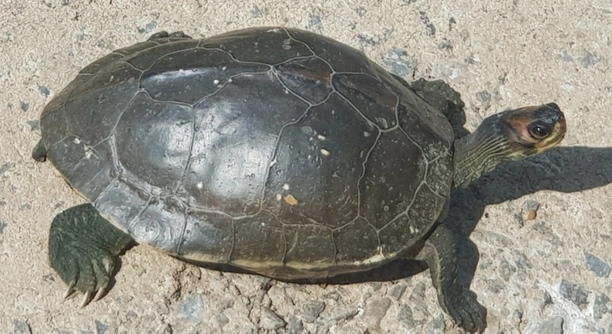
Shedding is a natural part of a tortoise’s life cycle. However, when your Indian Roofed Tortoise sheds its scutes, it can be concerning. It’s important to understand why this happens and how you can support your pet’s health.
Your Indian Roofed Tortoise may be shedding its scutes due to natural growth, changes in temperature, humidity, or even stress. Regular shedding is normal, but excessive shedding could signal a health issue or improper habitat conditions.
Managing your tortoise’s environment can help reduce excessive shedding. Knowing the signs and understanding how to care for your pet properly will ensure its overall well-being and prevent future shedding concerns.
Understanding the Causes of Scute Shedding
Shedding is a natural process for tortoises. As they grow, their outer layer of scutes (the scales on their shell) naturally come off to make room for new growth. However, there are several factors that can cause excessive or abnormal shedding. One of the main reasons is the change in environmental conditions like humidity and temperature. If these factors are not maintained at the proper levels, your tortoise may shed too frequently. In addition to environmental stress, nutritional imbalances, dehydration, or underlying health issues like fungal infections can also contribute to scute shedding. It’s important to monitor these factors to ensure your tortoise remains healthy and comfortable.
Your tortoise’s habitat plays a big role in the health of its shell. Maintaining the right temperature and humidity levels helps regulate the shedding process, keeping it natural and manageable.
If you notice your tortoise shedding too often or in unusual patterns, take a closer look at its environment. Check the humidity levels, the temperature, and make sure they have access to clean water and proper nutrients. Regular vet checkups can help identify any health issues early, ensuring your tortoise stays healthy and its shell stays in good condition.
Temperature and Humidity Levels
If the temperature and humidity in your tortoise’s environment are not balanced, it can lead to abnormal shedding. Indian Roofed Tortoises require a warm, humid environment to thrive. Too much heat or not enough moisture can cause stress, leading to excessive or uneven scute shedding.
Maintaining the right temperature and humidity is crucial for your tortoise’s health. You should aim for a basking area temperature between 90-95°F (32-35°C) and a cooler area around 75°F (24°C). Humidity levels should be kept at 60-80%. A simple way to monitor these factors is by using a thermometer and hygrometer. If either temperature or humidity is off, your tortoise may not shed properly, and its shell health could suffer over time.
A substrate that retains moisture, like coconut coir or sphagnum moss, can help maintain humidity levels. Additionally, make sure your tortoise has a consistent source of clean water for hydration. These changes can make a noticeable difference in preventing excessive scute shedding.
Diet and Nutrition
A poor diet can also lead to scute shedding issues. Indian Roofed Tortoises need a well-balanced diet to support their shell and overall health. Without the right vitamins and minerals, especially calcium, they may struggle with proper shell growth and shedding.
Offering a variety of leafy greens, grasses, and some fruits can help meet your tortoise’s nutritional needs. Make sure to include calcium-rich foods such as dandelion greens, clover, and collard greens. Adding a calcium supplement to their diet can also be beneficial, especially for young or growing tortoises. Avoid feeding them too much fruit or high-oxalate foods, as these can hinder calcium absorption.
A diet low in nutrients, especially calcium, can result in weak or abnormal shell growth, causing more frequent shedding. Ensure your tortoise gets a healthy, varied diet to help maintain proper scute shedding. Always avoid feeding processed foods or anything high in fat.
Stress and Handling
Stress is another factor that can lead to scute shedding in tortoises. If your tortoise feels stressed due to handling, environmental changes, or even loud noises, it may shed more frequently. Stress can weaken its immune system and disrupt natural processes like shedding.
To reduce stress, keep the tortoise’s environment stable and avoid handling it too much. Allow your tortoise time to adjust to new surroundings before interacting with it. Minimize noise and sudden changes to the habitat. Maintaining a calm environment helps reduce the risk of stress-related shedding.
Illness or Infection
Infections or underlying health issues may cause unusual shedding. Bacterial or fungal infections, especially on the shell, can result in scutes coming off prematurely. If the shedding is irregular or if there are visible signs of infection, it’s important to seek veterinary care.
Symptoms of an infection include abnormal shedding, discoloration, or soft spots on the shell. If you notice any of these signs, it’s crucial to get your tortoise checked by a reptile vet as soon as possible. Left untreated, these issues can lead to more severe health problems that affect its overall well-being.
FAQ
Why is my Indian Roofed Tortoise shedding so much?
Excessive shedding can be caused by several factors, including changes in temperature or humidity, stress, improper diet, or health issues. Tortoises naturally shed scutes as they grow, but if it’s happening more than usual, it could indicate an environmental or health concern. Check if the temperature and humidity levels in the habitat are appropriate. Stress, dehydration, or lack of proper nutrition can also lead to more frequent shedding. In some cases, a fungal or bacterial infection might be the cause, requiring veterinary attention.
Is shedding scutes normal for my tortoise?
Yes, shedding scutes is a normal part of a tortoise’s life cycle. As they grow, old scutes fall off to make room for new ones. However, if your tortoise is shedding too often or if it’s shedding in a way that looks abnormal, it may indicate an issue with its environment or health. Ensure the temperature, humidity, and diet are in check to support proper shedding.
How can I tell if my tortoise is stressed?
Signs of stress in tortoises include hiding more than usual, loss of appetite, excessive movement around the enclosure, and abnormal behaviors like biting or pacing. Stress can be triggered by changes in its environment, too much handling, or loud noises. A stressed tortoise may also shed more frequently. If you notice these signs, try to reduce disturbances in its environment and give it time to settle.
How do I prevent my tortoise from shedding too much?
To prevent excessive shedding, maintain a stable environment. Make sure the temperature is around 90-95°F (32-35°C) in the basking area and 75°F (24°C) in the cooler area. Humidity should be between 60-80%. Ensure your tortoise has access to clean water and a balanced diet rich in calcium and other nutrients. Avoid handling it too much and reduce any sources of stress.
Can improper diet cause shedding problems?
Yes, an improper diet can lead to shedding problems. A diet lacking in essential vitamins and minerals, especially calcium, can result in abnormal shell growth and scute shedding. Include calcium-rich foods like dandelion greens and collard greens in its diet. You can also add a calcium supplement to ensure your tortoise is getting the necessary nutrients. Avoid giving it too much fruit or other foods high in oxalates, as these can affect calcium absorption.
How often should my tortoise shed?
The frequency of shedding varies depending on the age, growth rate, and health of the tortoise. Young tortoises tend to shed more frequently as they grow, while older tortoises shed less often. Normally, shedding should occur in small amounts, with the old scutes naturally coming off as the new ones develop. If your tortoise is shedding large patches or the shedding seems excessive, there may be an underlying issue with its environment or health.
What should I do if my tortoise has soft spots on its shell?
Soft spots on a tortoise’s shell could be a sign of poor nutrition, calcium deficiency, or an infection. If you notice soft spots, immediately review its diet and make sure it’s receiving enough calcium and vitamin D. If the problem persists, it could be due to a fungal or bacterial infection, which will require treatment from a vet. Softness can also occur if the tortoise is dehydrated, so ensure it has access to fresh water.
Can dehydration cause shedding problems?
Yes, dehydration can lead to shedding problems in tortoises. If your tortoise isn’t drinking enough water, it may shed its scutes prematurely or excessively. Make sure your tortoise has a constant supply of clean water to drink. Some tortoises also enjoy soaking in shallow water, which can help with hydration. Dehydration can also cause other health issues, so it’s important to monitor water intake and humidity levels closely.
How do I know if my tortoise is sick?
If your tortoise is shedding unusually, has changes in its appetite, is acting lethargic, or shows visible signs of infection on the shell, it may be sick. Common signs of illness include unusual behavior, weight loss, soft or damaged shell, and respiratory issues like wheezing or nasal discharge. Any of these symptoms warrant a visit to a reptile vet for diagnosis and treatment. Early intervention is key to preventing more serious health problems.
Is it okay to handle my tortoise during shedding?
Handling your tortoise during shedding is fine, but excessive handling or stress can interfere with the natural process. If your tortoise is shedding heavily or appears to be uncomfortable, it’s best to limit interaction and allow it to focus on its health. If you must handle it, be gentle and avoid causing unnecessary stress. Make sure it has a stable, calm environment to promote natural shedding.
Final Thoughts
Shedding is a natural part of your Indian Roofed Tortoise’s life, but understanding the reasons behind it and knowing how to care for your pet properly can make a big difference. While shedding scutes is normal, excessive shedding can signal that something might not be right with its environment, diet, or health. It’s important to pay attention to factors like temperature, humidity, and nutrition to ensure your tortoise is comfortable and healthy. Monitoring its habitat regularly and making small adjustments can help prevent any issues related to shedding.
Creating a stable environment for your tortoise is one of the most important steps you can take. Proper humidity levels, the right temperature gradient, and a clean water supply will help your tortoise shed naturally. The right diet, rich in calcium and other essential nutrients, will also support healthy shell growth. By providing the right care, you can help your tortoise shed at a healthy, natural pace and prevent any unnecessary stress or discomfort. Always check the condition of your tortoise’s shell and overall health to catch any potential problems early on.
If your tortoise continues to shed excessively or shows signs of illness, seeking veterinary advice is essential. A reptile vet can help diagnose any infections or health issues and provide treatments to ensure your tortoise stays in good shape. By staying observant and proactive about your tortoise’s needs, you can help it live a happy and healthy life, with normal, balanced scute shedding as part of its natural growth process.

Hello,
If you enjoy the content that we create, please consider saying a "Thank You!" by leaving a tip.
Every little bit helps us continue crafting quality advice that supports the health, happiness, and well-being of pets around the world, for pets of all shapes, sizes, and species.
We really appreciate the kindness and support that you show us!