
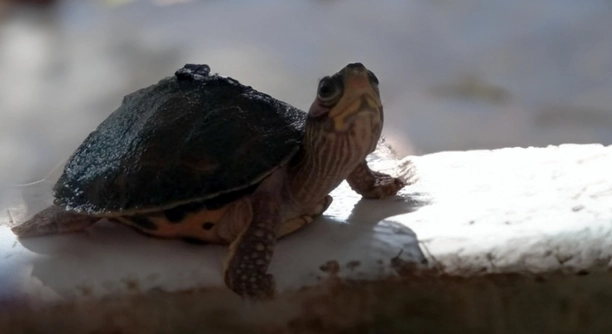
Your Indian roofed tortoise’s water bowl may be going unused, leaving you puzzled about its hydration habits. Understanding why this happens is key to ensuring your tortoise stays healthy and hydrated.
The most common reasons your tortoise might not use its water bowl include incorrect placement, water temperature, or a preference for natural sources of water. Some tortoises may also avoid stagnant water if it’s not clean.
Learning the best practices for offering water to your tortoise will help you ensure that hydration is not an issue. It’s essential to know how to encourage your tortoise to drink and prevent potential health concerns.
Why Is the Water Bowl Placement Important?
One of the most important factors to consider when setting up your tortoise’s water bowl is its placement. If the bowl is placed in a corner or an area that your tortoise rarely visits, it may avoid it. Tortoises often prefer areas where they feel safe and comfortable. If the bowl is too far from their basking spot or hiding place, they may not recognize it as easily.
Tortoises also appreciate access to their water in areas where they feel secure, so try placing the water bowl in a more accessible spot. Ensuring the water bowl is placed in a clear, open area with easy access will encourage your tortoise to use it.
A water bowl should also be positioned on flat ground so your tortoise can drink without difficulty. Avoid placing it near areas where there’s a lot of movement or disturbance, as this can make them feel unsafe and deter them from drinking.
Water Temperature: Does It Matter?
Water temperature plays a significant role in encouraging your tortoise to drink.
If the water in the bowl is too cold or too hot, your tortoise may not be comfortable drinking it. The best water temperature for an Indian Roofed Tortoise is lukewarm, around 75°F to 80°F (24°C to 27°C). This temperature mimics natural rainwater and encourages your tortoise to drink.
Temperature extremes can deter your tortoise from drinking and even lead to dehydration. Tortoises are sensitive to water temperature, so ensuring it’s just right can make a big difference in whether or not they drink from the bowl. Always check the water regularly to keep it at a comfortable temperature.
Cleanliness of the Water Bowl
A dirty water bowl can quickly discourage your tortoise from drinking. If the water becomes cloudy or contains food particles, your tortoise might refuse to drink from it. This can lead to dehydration, especially if the bowl isn’t cleaned regularly.
To keep the water bowl inviting, wash it thoroughly at least every other day, removing any debris or waste. If you notice algae buildup, scrub the bowl gently with a non-toxic cleaner. Tortoises are sensitive to their environment, so keeping the water clean and fresh ensures they feel comfortable drinking from it.
Regularly cleaning the water bowl not only ensures it stays hygienic but also prevents bacterial growth that could harm your tortoise’s health. Try to avoid using harsh chemicals, as they may leave residue in the bowl. Stick to safe, natural cleaning methods to make the water appealing.
Tortoise’s Natural Behavior
Tortoises in the wild drink from rainwater or small puddles. This natural behavior often leads them to avoid standing water in a bowl. Tortoises prefer water sources that are moving or naturally occurring.
If you have an Indian Roofed Tortoise, consider placing the water in a shallow dish with a slight incline. This may mimic a more natural environment, encouraging your tortoise to use the water bowl. Additionally, offering a shallow, dish-like water source instead of a deep bowl may feel more familiar.
Some tortoises may also avoid drinking if they don’t see the water as a “natural” source. You could try offering water in a way that replicates its natural surroundings. Adding small pebbles or stones around the bowl may encourage your tortoise to interact with it, as this mimics the environment they would encounter in the wild.
Hydration Needs
Indian Roofed Tortoises, like all reptiles, need access to water for proper hydration. If they’re not drinking from their bowl, they may be getting enough water from their food or through the environment. However, relying on food alone isn’t ideal.
Ensure that your tortoise has a constant source of clean water, especially if it is not getting enough hydration from its diet. Some tortoises drink less if they are eating moist foods like leafy greens or fruits. However, water is still essential for their overall health.
A lack of drinking water can lead to dehydration, which can cause various health issues like lethargy and kidney problems. Keep the water bowl readily available to ensure your tortoise can stay hydrated throughout the day.
Temperature and Humidity
Temperature and humidity are vital factors in your tortoise’s environment. A dry and hot environment can lead to a reduced appetite for water, as your tortoise may feel like it doesn’t need it.
In addition to ensuring proper water access, adjusting the humidity and temperature levels can encourage your tortoise to drink more regularly. The ideal humidity level for an Indian Roofed Tortoise should range from 50% to 60%, while the temperature should be around 75°F to 85°F during the day.
Humidity helps in maintaining the moisture levels your tortoise needs for digestion, and the right temperature will encourage it to drink more water. Regularly monitor and adjust the enclosure’s climate to help support hydration.
Stress and Environment
Stress can also affect your tortoise’s behavior, including its drinking habits.
If your tortoise feels stressed due to environmental changes or an unfamiliar habitat, it might be reluctant to drink from its water bowl. Keeping its environment calm, stable, and familiar will encourage it to drink more regularly and reduce stress levels.
FAQ
Why isn’t my tortoise drinking from its water bowl?
There are a few reasons why your tortoise may not be drinking from its water bowl. The most common reason is that the water might not be in a place your tortoise feels comfortable with, such as a location that feels too open or too far from its usual spots. Tortoises prefer water sources that are easy to access and sometimes more natural, like puddles or rainwater. If your tortoise isn’t drinking, try moving the water bowl to a more accessible spot, perhaps near its basking area, where it feels safe.
Another reason could be the water itself—if it’s too cold or too hot, your tortoise may not want to drink it. The water temperature should be lukewarm, similar to the temperature of rainwater. Ensure the bowl is clean and free of debris as well. Dirty water can discourage your tortoise from drinking, as it might associate the bowl with an unpleasant experience.
How can I encourage my tortoise to drink more water?
One simple way to encourage your tortoise to drink more is by offering water in a shallow dish. Some tortoises prefer shallow water sources, as they feel safer and more familiar with them. You can also mist the tortoise’s enclosure regularly to increase humidity, which may encourage it to drink. Adding a shallow pool or small rocks around the bowl may also mimic a natural environment, making your tortoise feel more comfortable drinking from it.
Providing a variety of water sources, such as a larger shallow dish or a small water feature, could also help. Try placing the water in a spot where your tortoise can access it easily, like near its favorite hiding or basking area.
Can I use tap water for my tortoise’s water bowl?
While tap water is generally safe for tortoises, it’s essential to check for any chlorine or chemicals in the water, as these can harm your tortoise. You can either use a water conditioner that neutralizes these chemicals or allow the water to sit for 24-48 hours before offering it to your tortoise. This allows any chlorine to dissipate naturally. If you’re unsure about the quality of your tap water, consider using filtered or bottled water.
How often should I clean my tortoise’s water bowl?
You should clean your tortoise’s water bowl every day or every other day. This helps prevent bacteria buildup, which could harm your tortoise. If the water becomes cloudy or if there’s visible debris, clean the bowl immediately. Use a non-toxic cleaner to scrub the bowl and avoid harsh chemicals. Keeping the water fresh and clean is essential for maintaining your tortoise’s health and encouraging it to drink regularly.
Should I provide my tortoise with fresh water every day?
Yes, fresh water should be available to your tortoise every day. Tortoises need constant access to clean, fresh water to stay hydrated, even if they don’t drink from the bowl immediately. Keep the water bowl filled throughout the day, and replace it with fresh water if it becomes dirty or stale. The water should be accessible at all times so your tortoise can drink when it needs to.
Can my tortoise get enough water from its food?
While some moisture-rich foods like leafy greens, fruits, and vegetables can help hydrate your tortoise, they are not enough to replace drinking water. Even though certain foods may provide some hydration, water is still a crucial part of your tortoise’s daily diet. Without water, your tortoise may suffer from dehydration. Make sure a clean water bowl is always available to complement the hydration your tortoise receives from its food.
How do I know if my tortoise is dehydrated?
Signs of dehydration in tortoises include a lack of energy, sunken eyes, dry skin, and difficulty shedding. If your tortoise is dehydrated, it may also refuse to eat or appear lethargic. Check the skin—when you gently pinch the skin, it should snap back quickly. If it takes time for the skin to return to normal, this is a sign of dehydration. If you notice these symptoms, it’s important to address the water issue immediately and contact a vet if the condition worsens.
Is it safe to add vitamins or supplements to the water bowl?
It’s generally not recommended to add vitamins or supplements to your tortoise’s water bowl unless instructed by a veterinarian. Some tortoises may refuse to drink if the water has an unfamiliar taste or smell due to added substances. If your tortoise requires specific supplements, it’s better to add them directly to its food. Always consult with a vet before introducing any supplements into your tortoise’s routine to avoid any potential harm.
Should I be concerned if my tortoise refuses to drink for a day or two?
In general, a healthy tortoise can go a day or two without drinking, especially if it’s getting hydration from its food. However, if your tortoise consistently refuses to drink, or if it shows signs of dehydration, it’s important to address the problem right away. Monitor its water intake and food consumption closely. If the problem persists, consult with a vet to rule out any underlying health issues. Regular access to clean, fresh water is key to your tortoise’s well-being.
Final Thoughts
Ensuring your Indian Roofed Tortoise stays hydrated is crucial for its health and well-being. While it may seem confusing if your tortoise isn’t using its water bowl, there are several factors to consider. The placement of the water bowl, its cleanliness, and the temperature of the water all play important roles in whether your tortoise will drink from it. Tortoises, like many reptiles, have unique preferences when it comes to their environment. If they feel safe and comfortable, they are more likely to drink regularly.
Understanding your tortoise’s behavior and needs can help you provide the right conditions for hydration. It’s essential to provide fresh water daily, but also to make sure that the water bowl is placed in a quiet and easily accessible area. Keep the water temperature just right—not too cold or too hot. If your tortoise is still hesitant to drink, try adjusting the placement or offering water in a shallow dish. You can also use natural elements, like rocks or pebbles, to make the water source look more inviting and familiar.
In the end, a little patience and observation can go a long way. If your tortoise isn’t drinking from its water bowl, it could be due to simple environmental factors or natural preferences. Ensuring that the water is clean, the bowl is in a safe spot, and the water is at the right temperature can help encourage your tortoise to hydrate properly. If you continue to notice signs of dehydration or your tortoise still refuses to drink, it may be time to consult with a vet.

Hello,
If you enjoy the content that we create, please consider saying a "Thank You!" by leaving a tip.
Every little bit helps us continue crafting quality advice that supports the health, happiness, and well-being of pets around the world, for pets of all shapes, sizes, and species.
We really appreciate the kindness and support that you show us!