
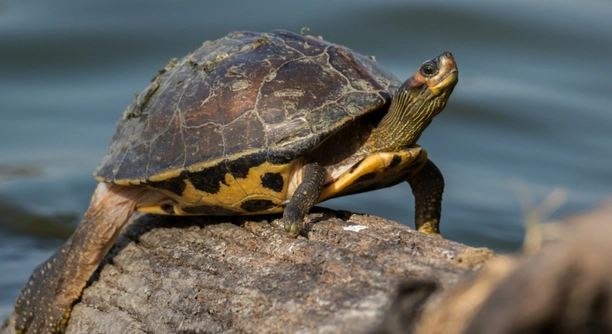
An Indian Roofed Tortoise not moving can cause concern for its owner. Understanding the reasons behind this behavior is important for its well-being. Various factors might influence your tortoise’s activity level and health.
The primary reason for a lack of movement in an Indian Roofed Tortoise is stress or environmental factors such as temperature or humidity imbalances. Illness, improper diet, or inadequate living conditions can also contribute to sluggishness and reduced activity.
Knowing how to adjust your tortoise’s environment and care routine can help bring back its active behavior and overall health.
Understanding the Causes of Reduced Activity in Indian Roofed Tortoises
When an Indian Roofed Tortoise isn’t moving, it’s important to identify the root causes quickly. Several factors can lead to this behavior. Temperature and humidity levels in their environment play a major role in their activity. Tortoises are cold-blooded, meaning their body temperature is influenced by the surroundings. If the environment is too cold, they may become lethargic and inactive. Similarly, humidity that is too low or high can cause stress, leading to a lack of movement. Additionally, improper diet can result in reduced energy, leaving your tortoise sluggish. Illness or injury, such as infections, shell problems, or digestive issues, can also cause a tortoise to stop moving. Even environmental stressors like loud noises or unfamiliar surroundings can affect their behavior.
A proper environment and balanced care will help ensure that your tortoise stays active and healthy. Regularly monitor the habitat conditions and their diet for any inconsistencies that may arise.
If you notice your tortoise staying inactive for long periods, it’s vital to check both its physical health and living conditions. Making adjustments where needed can help restore its energy levels.
How Temperature Affects Your Tortoise’s Movement
Temperature is one of the most common factors that can make an Indian Roofed Tortoise go into a state of dormancy.
If the habitat temperature drops below the tortoise’s ideal range, which is between 75°F and 85°F, it may reduce its activity. Low temperatures can make the tortoise sluggish, as their metabolic rate slows down in cold environments. This is why it’s important to maintain a steady temperature in their enclosure. Providing a heat source, such as a basking lamp, can keep the environment within the appropriate range. Regular checks on the temperature can prevent prolonged periods of inactivity and support your tortoise’s natural behavior.
For a more accurate reading, use a thermometer to measure the temperature and ensure it stays consistent. If your tortoise is not moving and the temperature is low, consider adjusting the heat source or moving the enclosure to a warmer spot.
The Role of Humidity in Tortoise Activity
Humidity levels that are too high or too low can make your tortoise inactive. Tortoises thrive in environments with humidity levels around 60-80%. If the humidity falls below this range, it can lead to dehydration, causing your tortoise to become sluggish. Overly dry conditions also make it harder for them to shed their skin, which can cause stress.
A humidifier or misting can help maintain the ideal humidity. You can also place a shallow water dish in the enclosure, which will increase moisture levels. Regular monitoring with a hygrometer can help you keep track of these conditions.
If your tortoise seems sluggish despite proper temperature, it’s worth adjusting the humidity. The correct humidity will prevent dehydration and skin problems, allowing your tortoise to move around comfortably. When humidity is balanced, your tortoise will stay healthy and active.
Illness or Injury Can Lead to Lethargy
Physical health issues, including injuries or illness, can cause your tortoise to stop moving. A common issue could be respiratory infections or digestive problems, which may make your tortoise feel weak. Injury, such as a shell crack or trauma, can make movement painful, leading to reduced activity.
If you suspect illness or injury, closely observe for signs like wheezing, difficulty eating, or swelling. Take your tortoise to a vet if these symptoms persist. Early intervention can prevent the condition from worsening. Illness and injuries can quickly lead to inactivity, which can harm your tortoise if not treated in time.
Ensuring your tortoise has a balanced diet and safe living environment will help prevent health problems. Any signs of illness should be taken seriously, as untreated conditions can affect their overall well-being and make them less active. Keep their living area clean to reduce the risk of infections.
Diet and Its Effect on Activity Levels
An improper diet can cause your tortoise to become lethargic. Tortoises require a variety of foods, including leafy greens, vegetables, and some fruits. Without proper nutrition, they may lack the energy to move around. Additionally, overfeeding or underfeeding can both lead to sluggish behavior.
Ensure your tortoise receives a balanced diet tailored to its specific needs. Too many high-protein foods can cause health issues, while too few can lead to malnutrition. You can also offer occasional calcium supplements to support shell growth and overall health.
Environmental Stress and Tortoise Behavior
Tortoises can be sensitive to environmental stressors, such as loud noises or changes in their habitat. If they feel threatened or uncomfortable, they may withdraw and reduce activity. Environmental stress can lead to a decrease in movement, as they prefer quiet and stable surroundings.
Creating a calm, secure environment helps your tortoise feel safe. Try to limit sudden changes, such as moving their habitat or introducing unfamiliar pets. A peaceful environment encourages exploration and natural behavior, keeping your tortoise active and engaged.
FAQ
Why is my Indian Roofed Tortoise not moving?
Your tortoise may not be moving due to various reasons, including temperature or humidity issues, illness, or stress. Tortoises are cold-blooded animals and require a warm environment to remain active. If their enclosure is too cold, they may become lethargic. Check the temperature and humidity levels regularly, as these factors are crucial for their well-being.
How can I tell if my tortoise is sick?
Signs of illness in tortoises include lethargy, difficulty eating, wheezing, nasal discharge, swollen eyes, and abnormal behavior. If your tortoise refuses food, stays withdrawn, or shows signs of respiratory distress, it’s best to consult a veterinarian. Early detection can prevent more severe issues.
What should I do if my tortoise is not eating?
If your tortoise isn’t eating, check the environment first. It could be too cold or too dry. Make sure the temperature, humidity, and light are all in the right range. Stress, illness, or an improper diet can also cause loss of appetite. If the issue persists for more than a couple of days, consult a vet to rule out any medical issues.
Can my tortoise be hibernating?
If your tortoise is not moving and it’s in a cooler environment, it might be entering a period of dormancy. Some tortoises hibernate during colder months, especially if the temperature drops significantly. However, not all species hibernate, so it’s important to know your tortoise’s natural behaviors.
Is it normal for a tortoise to be inactive during the winter?
Yes, some tortoises naturally become less active in the winter months. Cold-blooded animals like tortoises slow down their metabolism when the temperature drops, which makes them less active. However, it’s crucial to ensure that their hibernation process, if applicable, is done safely and in a controlled environment to prevent harm.
How can I encourage my tortoise to move more?
To help your tortoise become more active, ensure its environment is properly heated and has the right humidity. Offer a variety of food to stimulate interest in eating. You can also provide objects to encourage exploration, like hiding spots or different textures for them to crawl over.
Can stress make my tortoise stop moving?
Yes, stress can cause your tortoise to become inactive. Factors like loud noises, sudden changes in the environment, or the presence of other animals can lead to stress. Make sure your tortoise’s living space is quiet, secure, and free from disturbances to minimize stress and encourage normal activity levels.
How often should I check the temperature and humidity levels?
It’s important to check the temperature and humidity levels daily to ensure that your tortoise’s habitat remains within the proper range. The temperature should be between 75°F and 85°F, and humidity levels should be around 60-80%. Invest in a thermometer and hygrometer for accurate monitoring.
What should I do if my tortoise is not moving after being outside?
If your tortoise is not moving after being outside, it could be due to environmental stress, temperature shock, or exhaustion. Bring it back to its indoor habitat, and make sure it is warmed up properly. If the issue persists, observe for signs of illness and consult a vet if necessary.
How can I make my tortoise feel more comfortable in its habitat?
Provide your tortoise with hiding spots, a shallow water dish, and a variety of textures to encourage natural behavior. Tortoises also appreciate a space where they can regulate their body temperature, so a basking light and cooler areas within the enclosure are key to their comfort.
Can a lack of UVB light affect my tortoise’s activity level?
Yes, UVB light is essential for your tortoise’s health and activity. Without adequate UVB lighting, your tortoise may suffer from calcium deficiencies, leading to lethargy and a lack of movement. Ensure that your tortoise gets exposure to UVB light for several hours each day to maintain its health and energy levels.
Final Thoughts
When your Indian Roofed Tortoise isn’t moving, it can be concerning, but understanding the potential reasons behind this behavior can help ease your worries. Temperature, humidity, and diet all play a significant role in your tortoise’s activity level. If any of these factors are off, your tortoise may become sluggish or inactive. Checking the environment and making sure it’s appropriate for their needs is one of the first steps in troubleshooting the issue. Tortoises rely on a stable habitat to stay active and healthy, so ensuring that everything is in the correct range is crucial.
Another important factor to consider is the health of your tortoise. Illness or injury can cause a lack of movement, and it’s essential to be vigilant for any signs of health problems. If your tortoise is refusing food, has discharge from its eyes or nose, or seems to be struggling to breathe, these could be signs of illness that require immediate attention. Early detection is key, so if you notice anything unusual, it’s best to take your tortoise to a vet who specializes in reptiles. Timely intervention can prevent more severe issues from developing.
Stress, as well, is something that can affect your tortoise’s activity level. Changes in the environment, new pets, or loud noises can all create stress, leading to inactivity. Tortoises prefer calm, quiet surroundings, and it’s important to provide them with a stable, secure space. Once you’ve addressed any environmental or health concerns, ensuring that your tortoise’s habitat remains peaceful and stress-free will help keep it active. With proper care and attention, your tortoise will be back to its usual self in no time.

Hello,
If you enjoy the content that we create, please consider saying a "Thank You!" by leaving a tip.
Every little bit helps us continue crafting quality advice that supports the health, happiness, and well-being of pets around the world, for pets of all shapes, sizes, and species.
We really appreciate the kindness and support that you show us!