
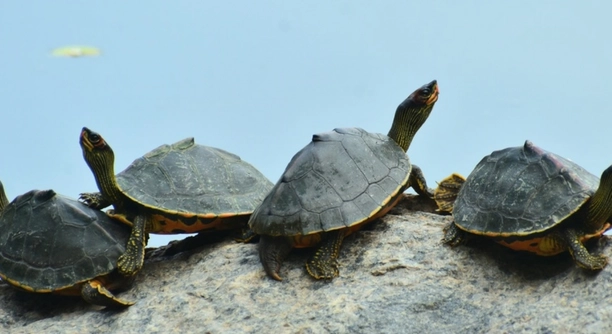
If your Indian roofed tortoise isn’t interested in its food, it can be concerning. Understanding the reasons behind this behavior is crucial for ensuring its health and well-being. Several factors may be at play here.
A lack of interest in food may stem from stress, environmental changes, or health issues such as poor digestion or parasites. It’s also possible that the temperature and humidity levels in their habitat are not ideal, affecting their appetite.
Recognizing the cause can help you take steps to improve your tortoise’s eating habits and overall health.
Common Health Issues Affecting Appetite
Sometimes, health problems can lead to a lack of interest in food. If your tortoise is feeling unwell, it may not have the energy or desire to eat. Common issues such as respiratory infections, parasites, or fungal infections can cause appetite loss. Additionally, tortoises that are injured or stressed due to changes in their environment might also avoid food. These conditions need prompt attention to prevent further complications. It’s important to monitor your tortoise’s overall behavior and look for signs like lethargy or difficulty moving, which could indicate an underlying issue.
If you suspect your tortoise is unwell, take it to a reptile vet for a thorough examination. A vet can offer the right diagnosis and treatment plan to restore your tortoise’s appetite and health. Dehydration can also play a role in food refusal. Make sure your tortoise has access to clean water at all times.
Environmental Factors Impacting Eating Habits
Your tortoise’s environment plays a significant role in its appetite. If the temperature or humidity levels aren’t right, it can lead to stress, causing your tortoise to refuse food. For example, too high or too low temperatures in the enclosure can reduce its activity levels. A cooler or hotter environment might make your tortoise feel sluggish or uncomfortable, affecting its ability to digest food properly.
To ensure the best conditions, try using a thermometer and hygrometer to monitor the temperature and humidity in your tortoise’s habitat. A basking area with a temperature of 85–90°F and a cooler side of around 70°F should be ideal for most tortoises. Regularly adjust these conditions to meet your tortoise’s needs.
Feeding Routine and Diet
Sometimes, the reason for your tortoise’s lack of interest in food is related to its diet. Offering the same food every day can lead to boredom, causing your tortoise to turn away from its meals. Try to vary the types of greens, vegetables, and fruits you provide. Offering different textures and colors will engage your tortoise and keep it interested in eating.
In addition to variety, portion size matters. If you’re offering too much food at once, your tortoise might be overwhelmed or unable to eat it all, leading to a loss of appetite. Try feeding smaller portions more frequently and remove any uneaten food to avoid spoilage. Be sure to research which foods are safe for your tortoise and avoid offering anything toxic or difficult to digest.
Stress and Anxiety
Stress is a major factor in loss of appetite. Tortoises are sensitive to changes in their environment, such as new pets, loud noises, or even a relocation. These changes can cause them to feel anxious, making them refuse food. Additionally, too much handling can lead to stress.
To reduce stress, try to create a calm and stable environment for your tortoise. Avoid handling it too much, especially when it’s adjusting to a new space. Providing a quiet, safe space where your tortoise can retreat to feel secure will help. You can also try adding hiding spots and plants to its enclosure to help it feel more comfortable.
Making sure your tortoise’s home remains unchanged and peaceful will allow it to feel secure enough to eat. A consistent, calm routine is essential for managing stress. If the stress continues, consulting a vet might help address any deeper concerns.
Temperature and Lighting
Temperature and lighting directly impact your tortoise’s behavior and appetite. If the heat source is not functioning properly, your tortoise may be too cold or too hot, affecting its ability to digest food. Similarly, inadequate lighting can lead to lethargy, making it less interested in eating.
For a proper setup, provide both a basking light and UVB light for your tortoise. The basking light should create a warm spot of about 85–90°F, and the cooler areas of the enclosure should be around 70°F. The UVB light helps with vitamin D3 synthesis, which is crucial for calcium absorption. Make sure to replace UVB bulbs regularly, as they lose effectiveness over time.
Ensuring the right temperature and lighting can significantly improve your tortoise’s appetite. Check the settings regularly, and be consistent in maintaining proper conditions. If these factors are not correct, your tortoise may stop eating altogether.
Overfeeding and Improper Diet
Overfeeding can lead to your tortoise losing interest in food. Offering too much at once can overwhelm them, especially if they’re unable to finish it. This can also cause them to become picky with their meals.
Try offering smaller portions of food, allowing your tortoise to eat at its own pace. Pay attention to the amount being served and remove any uneaten food after a couple of hours to prevent it from spoiling. A varied diet, with the right proportions of greens and occasional fruits, will also keep your tortoise interested in meals.
Age and Growth Stages
Young tortoises may have a different appetite compared to adults. As they grow, their dietary needs change, and their feeding habits may adjust. It’s important to monitor their growth and appetite to ensure they are getting the right nutrients at every stage.
For younger tortoises, offering high-quality food like leafy greens and occasional insects is crucial. As they mature, their diet should shift to more fibrous plant material. Always research and adapt your tortoise’s diet according to its age and growth needs to ensure a healthy appetite.
Dehydration
Dehydration is a common reason tortoises refuse food. When not properly hydrated, they may feel lethargic and disinterested in eating. Make sure your tortoise has constant access to fresh, clean water.
A proper humidity level in the enclosure is also essential for maintaining hydration. Regular soaking in shallow water can help prevent dehydration, especially during hotter months. Keep a close eye on your tortoise’s water intake to ensure it’s staying properly hydrated.
FAQ
Why is my tortoise not eating even though its environment seems fine?
Sometimes, despite an ideal environment, other factors like stress or health issues can cause a tortoise to stop eating. Check if there are any changes in its surroundings, like new pets or loud noises. Illnesses like respiratory infections or parasites can also lead to loss of appetite. A trip to the vet can help identify any potential health problems.
How can I tell if my tortoise is stressed?
Stressed tortoises may display signs like hiding, being overly lethargic, or refusing food. If your tortoise is pacing or trying to escape its enclosure, it’s another indication of stress. Pay attention to its behavior; any drastic changes in activity or appetite can suggest stress.
Can I overfeed my tortoise?
Yes, overfeeding is a common issue. Offering too much food at once can overwhelm your tortoise, causing it to ignore its meals. Tortoises are creatures of habit, and large amounts of food can spoil quickly, making them less interested. Offer smaller portions to avoid overfeeding and maintain their interest.
How do I properly hydrate my tortoise?
Ensure your tortoise always has access to clean, fresh water. For added hydration, you can soak your tortoise in shallow water for 10-15 minutes a few times a week. This is especially helpful for desert species or during the warmer months. Regular soaking helps them stay hydrated and may also encourage eating.
Should I feed my tortoise every day?
Tortoises generally require daily feeding, but the frequency of meals may depend on their age and species. Young tortoises typically need more frequent meals, while adults may require fewer. You can feed adults every other day or a few times a week, depending on their specific needs and diet.
What should I feed my tortoise to stimulate its appetite?
Offer a variety of foods such as leafy greens, dandelions, and vegetables like bell peppers or squash. You can also occasionally provide fruits like strawberries or apples. If your tortoise isn’t eating, try changing the type of food or texture to see if that sparks its interest.
Can temperature affect my tortoise’s eating habits?
Yes, temperature can significantly impact your tortoise’s appetite. If the enclosure is too cold, your tortoise may become lethargic and uninterested in eating. On the other hand, a habitat that’s too hot can cause stress, leading to loss of appetite. Maintain a balanced temperature with a warm basking area (85-90°F) and a cooler area (70°F).
How often should I clean my tortoise’s enclosure?
A clean environment is crucial for your tortoise’s health. Spot clean daily by removing uneaten food and waste. Perform a full cleaning every few weeks to ensure that your tortoise’s living space remains hygienic and free of bacteria that could impact its health and eating habits.
Could my tortoise be picky with food?
Tortoises can be picky, especially if they’re offered the same foods repeatedly. Try varying the diet to include different greens, vegetables, and safe fruits. Offering a diverse selection can keep your tortoise interested in eating. Avoid offering the same food every day to prevent boredom.
Why is my tortoise eating less in the winter?
It’s common for tortoises to eat less in colder months. Many species become less active during hibernation or brumation. If your tortoise is not eating much, it could be preparing to rest for the season. Ensure the temperature is right, and offer a variety of foods to keep it nourished during this time.
Should I worry if my tortoise is losing weight?
If your tortoise is losing weight, it’s important to investigate the cause. Illnesses, poor nutrition, dehydration, or stress can all contribute to weight loss. Regularly monitor its weight, and if you notice a consistent decrease, consult with a vet to rule out any health issues.
Can I feed my tortoise fruit?
Yes, but only in moderation. Fruits are high in sugar and should not make up the majority of your tortoise’s diet. Offering fruits like strawberries, melons, and apples occasionally is fine, but ensure most of their diet consists of leafy greens, vegetables, and grasses.
Why isn’t my tortoise eating its favorite food?
If your tortoise is refusing its favorite food, there may be something else affecting its appetite, such as stress, illness, or environmental factors. It could also be a sign of overfeeding, where it’s no longer interested in that specific food. Try offering different options to spark its interest again.
What should I do if my tortoise refuses food for several days?
If your tortoise refuses food for a few days, check the temperature, humidity, and overall condition of its habitat. If these factors are correct and it’s still not eating, consider a vet check-up to rule out health issues like infections or parasites.
Can I feed my tortoise bugs or insects?
Yes, certain tortoise species can be fed insects, such as mealworms, crickets, and earthworms. These should only be given as occasional treats and in moderation. Always research the dietary needs of your specific tortoise species before offering any insects.
Final Thoughts
When your Indian Roofed Tortoise refuses food, it can be frustrating. There are many factors to consider, from its environment and diet to its overall health. It’s important to remain patient and observe any changes in its behavior or surroundings. Sometimes, a simple adjustment, like offering smaller portions or changing the type of food, can make a difference. Other times, the issue might require more attention, such as a visit to the vet for potential health concerns.
Keep in mind that tortoises are creatures of habit, and any changes in their routine can affect their eating habits. Overfeeding, for example, can make them lose interest in food. If you find your tortoise isn’t eating, try reducing the amount of food offered and keep a close eye on its water intake. Ensure the temperature and humidity levels in its habitat are ideal. A well-balanced, varied diet is essential to keeping your tortoise interested in meals and healthy overall.
If these changes don’t seem to help, and your tortoise continues to avoid food, it may be time to seek professional advice. A vet visit will help rule out illnesses or conditions that could be affecting its appetite. Addressing the issue early can prevent more serious health problems in the future. By being attentive and making small changes, you can help your tortoise regain its appetite and maintain a healthy, happy life.

Hello,
If you enjoy the content that we create, please consider saying a "Thank You!" by leaving a tip.
Every little bit helps us continue crafting quality advice that supports the health, happiness, and well-being of pets around the world, for pets of all shapes, sizes, and species.
We really appreciate the kindness and support that you show us!