
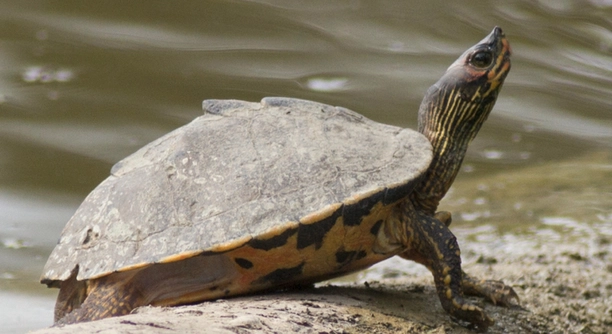
Your Indian Roofed Tortoise may not be growing as expected. Several factors can impact its growth, from diet to habitat conditions. Understanding these key elements will help ensure your tortoise thrives and grows at a healthy rate.
The most common reasons your Indian Roofed Tortoise may not be growing are poor nutrition, improper habitat, or health issues. A diet lacking in essential nutrients or a habitat that doesn’t meet their needs can significantly slow growth.
Adjusting their diet and habitat conditions can set them on the right path. Keep reading to learn how to make the necessary changes for a healthy and growing tortoise.
Common Causes for Stunted Growth
Your Indian Roofed Tortoise may be experiencing slow growth due to various reasons. One of the main factors is an improper diet. A healthy diet is crucial for growth, as it provides the necessary vitamins, minerals, and proteins. If the tortoise isn’t getting enough of these nutrients, its growth rate can slow significantly. Another issue might be the environment. These tortoises need a warm, humid habitat to thrive. If they are kept in a dry or cold environment, it can stunt their growth and even cause health problems. Lastly, lack of proper UVB lighting can affect their metabolism and overall health, further hindering growth. Ensuring these aspects are in check is the first step toward helping your tortoise grow properly.
Tortoises are quite sensitive to their surroundings. Even small changes in temperature, humidity, or lighting can impact their well-being. Regular monitoring of these factors will make a noticeable difference.
If your tortoise is not growing as expected, look closely at its diet and living conditions. Adjusting these can lead to noticeable improvements in both its health and size. Feeding it a variety of foods, including dark leafy greens and some fruits, will help ensure it gets the nutrients it needs. Proper humidity levels in its habitat, along with the right temperature gradient, will promote healthy growth. Consider providing a UVB light to mimic sunlight, which is crucial for calcium absorption. Ensuring your tortoise gets enough exercise and space to move around is equally important.
Diet and Nutrition
A balanced diet is essential for growth. If your tortoise isn’t getting the right mix of vitamins and minerals, growth can be slow. Leafy greens, grasses, and occasional fruits are key, but ensure the food is varied and fresh. Calcium is particularly important for strong bones, so provide calcium supplements or a cuttlebone.
Offering the right diet also means avoiding foods high in oxalates, like spinach, which can interfere with calcium absorption. Instead, focus on foods that are rich in calcium and other essential nutrients. Foods like dandelion greens, collard greens, and clover are excellent choices. Offering a variety of food will ensure that your tortoise gets all the necessary vitamins and minerals for proper growth. If your tortoise is young, they will require more protein, which can be offered through certain insects like mealworms.
Don’t forget that water is just as important. Make sure your tortoise has access to clean water at all times to stay hydrated and properly digest its food.
Temperature and Humidity
Temperature and humidity play a vital role in your tortoise’s health. If it’s too cold or dry, your tortoise may not be able to digest food properly, affecting its growth. The ideal temperature for an Indian Roofed Tortoise is between 85-90°F during the day. At night, the temperature should drop slightly but remain above 70°F.
Humidity levels also need to be carefully monitored. Too little humidity can cause dehydration and respiratory problems, while too much can lead to skin issues and other health concerns. A humidity level of 50-60% is ideal for this species. To maintain the proper humidity, consider using a humidifier, misting the enclosure, or adding a water dish that can help increase moisture in the air.
If the temperature or humidity levels are not ideal, your tortoise’s metabolism and digestion will suffer, which can lead to stunted growth. Keep a thermometer and hygrometer in the enclosure to track the conditions and adjust as needed.
UVB Lighting
UVB light is essential for calcium metabolism and overall health. Without it, your tortoise won’t be able to properly absorb calcium, which can lead to growth issues and shell deformities. Providing a UVB bulb in the enclosure will simulate natural sunlight and help prevent these problems.
Ensure the UVB bulb is positioned correctly and is within the right distance from your tortoise. These bulbs need to be replaced every 6-12 months, even if they still produce light, as UVB output decreases over time. Without proper UVB lighting, your tortoise’s shell and bones will suffer. A 10-12 hour light cycle is ideal.
Make sure the light is placed over an area where your tortoise spends time basking. The light should be strong enough to cover the tortoise’s basking spot, as this is crucial for them to benefit from it.
Space and Exercise
Tortoises need plenty of space to roam. If they are kept in a small enclosure, they won’t have enough room to exercise, which can impact their growth and overall health. An enclosure that is too small can also lead to stress.
Provide a spacious area for your tortoise to move around, ideally several square feet of floor space. This encourages natural behaviors and ensures your tortoise stays active, promoting healthy growth. A larger enclosure also allows for a more varied environment, which can include hiding spots, climbing areas, and open spaces for foraging. If you notice your tortoise becoming inactive, it might be a sign that it needs more room to roam and exercise.
Health Problems
If your tortoise is not growing, it could be due to underlying health issues. Illnesses like respiratory infections or parasites can slow down growth. Regular veterinary check-ups are essential to ensure your tortoise is healthy and free of infections.
If you notice symptoms like lethargy, swollen eyes, or poor appetite, it’s important to address these issues promptly. These signs could point to infections or parasites that need professional treatment. A vet can give you the best advice on how to address any health problems and prevent further complications. Keeping your tortoise’s living environment clean and hygienic can help reduce the risk of illness.
FAQ
Why isn’t my Indian Roofed Tortoise eating?
If your tortoise isn’t eating, there could be a few reasons behind it. Stress is a common factor; changes in the environment or handling can cause a tortoise to stop eating. Check the habitat’s temperature and humidity, as extreme conditions can also affect appetite. Illness, such as respiratory infections or parasites, could be another reason. If the tortoise seems lethargic or has swollen eyes, a visit to the vet is necessary. Sometimes, tortoises may simply go through a period of fasting, especially if they’re nearing hibernation. However, a long lack of appetite is concerning and should not be ignored.
How can I tell if my tortoise is sick?
Tortoises can be hard to read when they’re sick, but there are signs to look for. If your tortoise becomes unusually lethargic or stops eating, it could be a sign of illness. Swelling around the eyes, nasal discharge, or wheezing could indicate respiratory infections. Diarrhea, pale or soft shells, and unusual droppings may also signal health problems. If your tortoise starts acting differently from its usual self, it’s best to consult with a vet. Health issues can worsen quickly in reptiles, so catching symptoms early is important.
Can I feed my Indian Roofed Tortoise fruit?
Yes, your tortoise can eat fruits, but it should be in moderation. Fruits are high in sugar, so they should be offered as a treat rather than a regular part of the diet. Good options include berries, papaya, and melons. Avoid overly acidic fruits like oranges, as they can irritate the tortoise’s digestive system. Always remove seeds or pits, as they can be harmful. A diet focused on leafy greens and grasses should remain the mainstay, with fruit added occasionally to provide variety and encourage natural foraging behavior.
Is it normal for my tortoise to have a soft shell?
A soft shell is usually a sign of a calcium deficiency or other nutritional imbalance. Calcium is essential for strong shells, and without proper UVB lighting or calcium supplements, your tortoise may develop a soft shell. Ensure your tortoise has access to UVB light, which helps with calcium absorption. You may also need to offer a calcium supplement or a cuttlebone in the enclosure for them to nibble on. If the shell doesn’t improve after adjustments to diet and lighting, it’s best to consult a vet for further advice.
How often should I change my tortoise’s water?
Fresh water should be provided daily for your tortoise, as it helps with digestion and hydration. Changing the water ensures that it stays clean and free from bacteria or waste. In addition to daily water changes, regularly clean the water dish to prevent any buildup of algae or debris. If you notice your tortoise drinking less water, it may indicate dehydration or an issue with the enclosure’s humidity. Keeping water clean and accessible will help maintain the overall health of your tortoise.
What is the ideal temperature for my tortoise’s enclosure?
The ideal temperature for an Indian Roofed Tortoise is between 85-90°F during the day. They also need a basking spot that’s slightly warmer, around 95-100°F, to help them digest food properly. At night, the temperature should drop to around 70-75°F. If the enclosure is too cold, your tortoise will become sluggish and may stop eating. On the other hand, if it’s too hot, they could become stressed or dehydrated. Use a thermometer to ensure the environment remains at a comfortable temperature. This is crucial for healthy digestion and growth.
Can I handle my tortoise often?
Handling your tortoise occasionally is fine, but it’s important not to overdo it. Tortoises are not naturally social animals, and excessive handling can stress them out, especially if they’re not used to it. Keep handling to a minimum, and make sure your tortoise is comfortable with being touched. Always support their body properly to avoid injury. Allow your tortoise to roam freely in a safe space for exercise, but avoid long periods of handling, as it can cause stress and interfere with their natural behavior. If handling is necessary, be gentle and brief.
How long does it take for an Indian Roofed Tortoise to grow?
The growth rate of an Indian Roofed Tortoise depends on several factors, including diet, habitat, and health. Under ideal conditions, it can take 5-10 years for a tortoise to reach full adult size, with most reaching around 8-12 inches in length. However, growth may slow down if the conditions aren’t optimal. A tortoise that has access to proper lighting, temperature, and a balanced diet will grow more quickly and reach its full size in a shorter time. If your tortoise is not growing as expected, it’s worth checking its diet and living environment for possible issues.
Why is my tortoise not basking?
If your tortoise isn’t basking, it could be due to a few factors. The basking area might not be warm enough, or there could be an issue with the UVB lighting. Ensure that the basking spot is the right temperature, typically between 95-100°F. If the lighting isn’t providing enough UVB radiation, your tortoise may avoid basking. Stress or illness can also cause your tortoise to avoid basking, so it’s important to monitor for any signs of discomfort. Ensure the habitat is comfortable and conducive to basking, and if the issue persists, a vet visit may be needed.
Can my tortoise live with other reptiles?
While it’s possible for tortoises to coexist with other reptiles, it’s generally not recommended. Different species have different environmental needs, and sharing an enclosure can cause stress or even injury. Tortoises are solitary animals and may not tolerate the presence of others in their space. If you want to house multiple reptiles, make sure each has its own space and that their needs are compatible. For example, different species may require different temperatures or humidity levels, which could cause issues. It’s always safest to house your tortoise separately to ensure it’s getting the best care possible.
Final Thoughts
If your Indian Roofed Tortoise isn’t growing as expected, there are several factors that could be causing the issue. It’s important to consider its diet, environment, and overall health. A poor diet, lacking in essential nutrients like calcium and vitamins, can greatly impact its growth. Without proper UVB lighting and the right temperature and humidity, your tortoise may not be able to absorb those nutrients properly, slowing its growth. Ensuring your tortoise has the right conditions in its enclosure is crucial. A balanced diet of leafy greens, occasional fruits, and calcium supplements will support its overall health and development.
Health problems are another significant factor to consider. If your tortoise has stopped eating or is showing signs of lethargy, there might be an underlying health issue. Respiratory infections, parasites, or other illnesses can slow growth and lead to other serious complications. If you notice symptoms like swollen eyes, wheezing, or lack of appetite, it’s important to consult a vet as soon as possible. Regular check-ups and maintaining a clean and safe environment will help prevent many of these issues. Catching problems early is key to ensuring your tortoise continues to grow and thrive.
Lastly, patience is key when caring for a tortoise. These animals grow at their own pace, and some may take longer to reach their full size than others. However, if you’ve made the necessary adjustments to their diet, habitat, and health, and they are still not growing, it’s worth seeking professional advice. A vet can help assess if there’s a deeper issue affecting your tortoise’s growth. By paying close attention to their needs and providing them with the proper care, your tortoise should eventually thrive and grow to its full potential.

Hello,
If you enjoy the content that we create, please consider saying a "Thank You!" by leaving a tip.
Every little bit helps us continue crafting quality advice that supports the health, happiness, and well-being of pets around the world, for pets of all shapes, sizes, and species.
We really appreciate the kindness and support that you show us!