
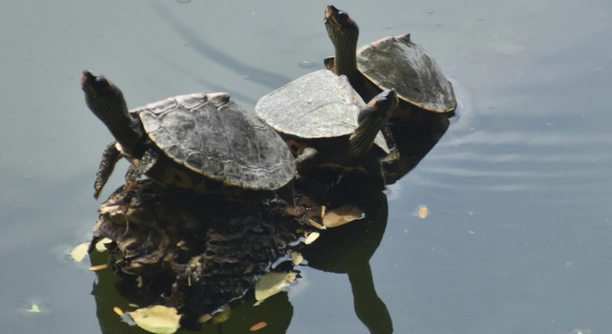
Indian Roofed Tortoises are often seen basking in sunlight, but when they avoid it, it may be a sign of underlying issues. Understanding the causes behind this behavior can help ensure your tortoise’s well-being and proper care.
The most common reason your Indian Roofed Tortoise may avoid sunlight is discomfort, often caused by improper habitat conditions or health issues. Inadequate lighting, temperature fluctuations, or stress can make them reluctant to bask in the sun.
Ensuring optimal living conditions for your tortoise can address these concerns and promote its health.
Causes of Avoidance
One reason your Indian Roofed Tortoise might avoid sunlight is improper habitat setup. Tortoises rely on specific lighting and temperature conditions to regulate their body heat. If your tortoise feels uncomfortable in its enclosure, it may stay in the shade to avoid overheating or getting too cold.
Temperature fluctuations can also affect your tortoise’s comfort. Inconsistent temperatures may prevent your tortoise from basking as needed, causing it to retreat from the light. The warmth from natural sunlight is vital for their digestion and overall health, so ensuring that your tortoise’s enclosure maintains steady temperatures is essential.
Additionally, stress can play a significant role. Changes in the environment, loud noises, or even the presence of other pets can cause stress that leads to the avoidance of sunlight. If your tortoise seems stressed, addressing these factors may encourage it to spend more time basking.
Health Concerns
Illnesses or discomfort can also lead to your tortoise avoiding sunlight. If your tortoise feels unwell, it may seek dark, cool areas as a way to hide and recover. It’s essential to monitor for any signs of illness, such as lethargy or loss of appetite, which may indicate an underlying problem.
Proper care and attention are crucial for maintaining your tortoise’s health. If it continues to avoid sunlight, consider a veterinary checkup to rule out any health issues.
Inadequate Lighting Setup
If the light in your tortoise’s enclosure is not strong enough, it may avoid basking. Tortoises need both UVB and UVA light to stay healthy. Without proper lighting, they may feel stressed or uncomfortable, leading to a preference for darker areas.
UVB light helps your tortoise metabolize calcium and maintain strong bones. If your light source is too weak or placed too far from your tortoise, it won’t be able to benefit from it. Over time, this can lead to health issues, such as shell deformities or lethargy. A proper UVB light source is crucial for a happy and healthy tortoise.
The placement of the light also matters. A common mistake is placing the light at the wrong distance or in a spot that doesn’t provide enough warmth. Ensure the light is positioned in a way that allows your tortoise to bask comfortably and regulate its body temperature effectively.
Temperature Control
Inadequate temperature regulation could cause your tortoise to avoid sunlight. Tortoises thrive in specific temperature ranges, and if your enclosure is too hot or too cold, they may seek out cooler or warmer areas away from the light.
During the day, the basking area should reach around 90-95°F, while the cooler side should maintain a temperature between 75-80°F. If the temperature fluctuates too much, your tortoise may avoid the basking spot altogether, seeking a place where it feels more comfortable. A thermostat or thermometer can help keep track of these conditions.
It’s also important to have a temperature gradient within the enclosure, allowing your tortoise to move between warmer and cooler areas based on its needs. Proper temperature control is key to encouraging your tortoise to bask in the sunlight.
Stress Factors
Stress can lead to your tortoise avoiding sunlight. Changes in its environment, such as new pets or loud noises, may make it feel unsafe and retreat to darker, more secure areas.
Additionally, the presence of other tortoises or animals in the enclosure may also cause stress. This can create an environment where your tortoise feels the need to hide from potential threats.
Health Issues
Health problems can make your tortoise feel too weak or uncomfortable to bask. Illnesses, injuries, or discomfort can cause your tortoise to avoid sunlight and seek darker, cooler places to recover. It’s important to regularly check for any unusual signs, such as loss of appetite or lethargy, which can indicate a health concern.
If your tortoise shows signs of being unwell, a visit to a vet can help identify any underlying conditions that may be affecting its behavior.
Improper Diet
An improper diet can also contribute to a lack of sunlight exposure. If your tortoise isn’t getting the nutrients it needs, it may lack the energy or motivation to bask in the sun. A balanced diet with proper calcium and vitamin D3 levels supports healthy behavior and encourages basking.
FAQ
Why is my tortoise avoiding sunlight?
Tortoises may avoid sunlight due to several factors, such as inadequate lighting, incorrect temperatures, stress, or health issues. If the light source is too weak or improperly placed, it can cause your tortoise to seek shelter. Stress, such as changes in the environment or the presence of other animals, can also contribute. Health concerns, like illness or discomfort, may make the tortoise reluctant to bask. Observing your tortoise’s behavior and ensuring proper habitat conditions can help address this issue.
How can I improve the lighting in my tortoise’s enclosure?
To improve lighting, ensure that the UVB light is strong enough and placed at the correct distance from your tortoise. A 10-12% UVB bulb is ideal for most tortoises. Position the light in a way that allows the tortoise to bask comfortably, and replace the bulb every 6 to 12 months, as UVB effectiveness decreases over time. If your tortoise has access to outdoor sunlight, try to place it in a safe, enclosed outdoor area where it can bask naturally.
What temperature should I maintain for my tortoise?
A proper temperature gradient is essential. The basking area should be around 90-95°F, while the cooler side of the enclosure should stay between 75-80°F. If your tortoise isn’t getting enough heat from the light source, it may avoid basking. Make sure the temperature is consistent and monitor it using a thermometer or thermostat. Too high or too low temperatures will cause discomfort, and the tortoise may retreat to darker areas to regulate its body temperature.
Can stress cause my tortoise to stop basking in the sun?
Yes, stress can cause your tortoise to avoid sunlight. Changes in the environment, such as new pets, loud noises, or other disturbances, can make your tortoise feel unsafe. If it perceives a threat, it may hide away in the dark. To reduce stress, create a peaceful environment with minimal disturbances. Make sure the enclosure is safe, and try not to introduce too many new factors at once. Keeping the enclosure as stable and calm as possible will encourage your tortoise to bask.
What health issues could cause my tortoise to avoid sunlight?
Health issues such as respiratory infections, shell problems, or digestive issues can cause your tortoise to avoid sunlight. If it’s feeling unwell, it may seek shelter in a cooler, darker area. Monitor your tortoise for signs of illness, such as a lack of appetite, abnormal behavior, or unusual physical symptoms like swollen eyes or a soft shell. If you suspect health problems, a visit to a reptile vet can help diagnose the issue and guide you on proper treatment.
How can I tell if my tortoise is stressed?
Signs of stress in tortoises include hiding, lack of appetite, erratic behavior, or attempts to escape its enclosure. Stress may also cause a tortoise to stop basking and retreat to cooler, darker areas. Monitor your tortoise’s activity levels and environment for any sudden changes that could be causing stress. If you observe these behaviors, try to remove the stressor and ensure the enclosure is calm, safe, and quiet.
Is it normal for my tortoise to hide in dark places?
It is normal for a tortoise to hide occasionally, especially if it feels threatened or unwell. However, if your tortoise is frequently hiding and avoiding sunlight, this may indicate stress, poor health, or discomfort in its environment. Regularly check the habitat for any potential sources of stress, such as temperature imbalances, poor lighting, or overcrowding. Make sure the enclosure has dark hiding spaces, but also provides plenty of opportunities for your tortoise to bask in the light.
How often should I take my tortoise outside for sunlight?
If it’s safe to do so, taking your tortoise outside for natural sunlight a few times a week can be beneficial. Natural sunlight provides essential UVB light, which is important for calcium absorption and overall health. Ensure that the outdoor area is secure and free of potential threats such as predators. Gradually acclimate your tortoise to outdoor exposure, starting with short periods and monitoring its behavior. Always ensure that it has access to shaded areas as well in case it gets too hot.
Can improper diet affect my tortoise’s sunlight behavior?
Yes, an improper diet can affect your tortoise’s overall health, including its willingness to bask in the sunlight. A diet lacking in calcium, vitamin D3, or other essential nutrients can cause lethargy or discomfort, which might make your tortoise avoid basking. Ensure that your tortoise is eating a balanced diet rich in leafy greens, vegetables, and occasional fruit. Calcium supplementation is also important for strong bones and shell health, especially if your tortoise does not have access to natural sunlight regularly.
How do I know if my tortoise is getting enough UVB light?
If your tortoise’s shell is soft or showing signs of deformities, or if it seems lethargic, it may not be getting enough UVB light. Tortoises require UVB exposure to synthesize vitamin D3 and absorb calcium effectively. Check the strength of the UVB bulb and its placement within the enclosure to ensure your tortoise is getting the proper exposure. If your tortoise is indoors, consider adding a UVB light source to its enclosure to mimic the natural sunlight it would typically receive outdoors.
Can my tortoise live without access to sunlight?
While tortoises can survive without direct sunlight, it is not ideal for their health. Natural sunlight provides necessary UVB rays, which are vital for calcium metabolism and shell growth. If your tortoise doesn’t have access to outdoor sunlight, you must provide proper UVB lighting in its enclosure. Without adequate UVB exposure, your tortoise may develop metabolic bone disease and other health problems. Consistent care, including UVB light and proper nutrition, will help your tortoise thrive indoors.
Final Thoughts
Addressing the reasons why your Indian Roofed Tortoise is avoiding sunlight is important for its overall well-being. Ensuring that the enclosure has proper lighting, correct temperatures, and a peaceful environment will encourage your tortoise to bask in the sun. If the conditions are right, your tortoise will be more likely to use the basking area and gain the necessary UVB exposure for healthy bone and shell growth. Checking the light source and temperature in the enclosure regularly is an easy way to keep things optimal for your tortoise’s needs.
Stress can also play a significant role in whether your tortoise enjoys basking. It’s essential to maintain a stable environment and avoid introducing stressors like loud noises or sudden changes. Tortoises can be sensitive to their surroundings, so creating a calm space will help them feel safe and more willing to bask. Additionally, being mindful of its diet is crucial to ensure your tortoise receives the right nutrients. A well-balanced diet that includes plenty of calcium and vitamin D3 will support healthy behavior and encourage basking.
Health should not be overlooked, as underlying issues may make your tortoise avoid sunlight. If your tortoise shows signs of illness or discomfort, it may retreat to cooler, darker spots to rest. Regular checkups with a vet can help catch potential health problems early, ensuring your tortoise stays healthy and active. Providing the right conditions, reducing stress, and monitoring health will contribute to your tortoise’s happiness and well-being, allowing it to thrive in its environment.

Hello,
If you enjoy the content that we create, please consider saying a "Thank You!" by leaving a tip.
Every little bit helps us continue crafting quality advice that supports the health, happiness, and well-being of pets around the world, for pets of all shapes, sizes, and species.
We really appreciate the kindness and support that you show us!