
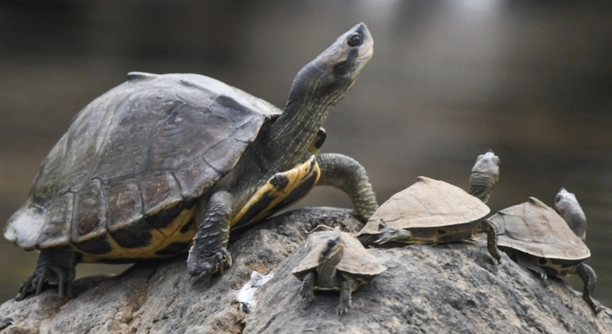
Indian Roofed Tortoises are fascinating creatures, often found in many homes as exotic pets. Their behavior can sometimes be puzzling, especially when they seem to constantly try to hide. Understanding this natural instinct is essential for any tortoise owner.
The primary reason your Indian Roofed Tortoise is attempting to hide is due to its natural instinct for self-protection. Hiding allows the tortoise to feel safe and secure, away from potential threats or discomfort in its environment.
Understanding the reasons behind this behavior helps ensure that your tortoise is comfortable and healthy. In this article, we’ll explore how to support its needs and provide a better living space for your shelled friend.
Natural Instinct to Hide
Indian Roofed Tortoises, like many other reptiles, have a strong instinct to hide. In the wild, this behavior helps them stay safe from predators. When your tortoise attempts to hide, it’s usually trying to create a sense of security for itself. This is especially true if it feels threatened or uneasy in its environment. Being a solitary creature, the tortoise is not inclined to seek social interaction, preferring quiet and solitude.
If your tortoise often hides, it could be adjusting to new surroundings or trying to avoid perceived danger. Changes in its environment, such as new pets, people, or loud noises, can trigger this instinct. It is important to ensure the space is calm and free of stressors to help your tortoise feel secure.
Also, providing hiding spots within its enclosure will give your tortoise the option to retreat when it feels the need to do so. These spots can be small caves or shelters where it feels safe and undisturbed.
Environmental Stressors
Tortoises are sensitive to changes in their environment, and stress is one of the main reasons they seek hiding spots. Any sudden changes in temperature, lighting, or humidity can make your tortoise feel vulnerable. These physical changes may make them feel uncomfortable or unsafe, pushing them to hide.
It’s essential to keep the enclosure consistent. Make sure the temperature and humidity levels are within the recommended range. If your tortoise hides more than usual, check the environment for possible stressors, like a sudden draft or a change in lighting. Stability is key for a happy, healthy tortoise.
Maintaining a stable habitat helps reduce the likelihood of your tortoise constantly seeking hiding places. Regularly monitor the conditions inside the enclosure to keep your tortoise comfortable. Consistency in its environment will promote better health and prevent unnecessary stress.
Health and Well-being
If your tortoise is constantly hiding, it could be a sign that something is wrong with its health. Like all animals, a tortoise will seek shelter when it feels unwell or in pain. Observing its behavior closely can help you identify any underlying health issues.
For example, if your tortoise is hiding more often than usual and not eating, it could be suffering from a respiratory infection or digestive issues. These health problems can cause the tortoise to retreat into its shell, looking for comfort and safety. If you notice any unusual signs, such as lethargy or changes in appetite, it’s important to take your tortoise to a vet for a check-up.
A healthy tortoise will generally be active, eating regularly, and exploring its surroundings. Sudden hiding or lack of movement can signal discomfort or illness, so it’s essential to monitor your tortoise’s health closely. Regular vet visits can help catch potential issues early and keep your tortoise in good shape.
Diet and Nutrition
A lack of proper nutrition could also cause your tortoise to hide. An improper diet might make it feel weak or sluggish, causing it to retreat into its shell more often. If the tortoise isn’t getting enough of the right nutrients, it may feel the need to hide for safety.
Ensure your tortoise is eating a balanced diet. Offer a variety of leafy greens, fruits, and vegetables. Providing calcium and vitamin D is also crucial for maintaining healthy shells and bones. If the diet lacks these key nutrients, it could result in a variety of health issues, such as metabolic bone disease, which may lead to hiding behaviors.
If your tortoise isn’t eating the food you offer, it could be due to an unappealing diet or stress. Adjusting the food or offering fresh, different options might encourage better eating habits. Consistent feeding is key to preventing nutritional deficiencies and keeping your tortoise healthy.
Temperature and Lighting
Your tortoise’s hiding behavior could be linked to improper temperature or lighting conditions in its habitat. Tortoises are cold-blooded and rely on external temperatures to regulate their body heat. If the enclosure is too cold or too hot, your tortoise might hide to feel more secure.
It’s essential to maintain a proper temperature gradient in the enclosure. This includes having a warm basking area and a cooler area for the tortoise to move between. Ensure that the light is not too harsh or dim, as both extremes can stress your tortoise. Regularly check the temperature and lighting levels to keep your tortoise comfortable.
Tortoise’s Natural Behavior
Indian Roofed Tortoises are generally solitary creatures, which makes hiding a normal part of their behavior. Even in the wild, these tortoises seek shelter under rocks, logs, or dense vegetation. This natural instinct continues in captivity. It helps them feel protected from potential threats, even when they are safe in their enclosure.
While it may seem unusual to see your tortoise hide often, it’s important to remember that this behavior is perfectly natural. Offering hiding spots in its habitat can help reduce stress. Ensure the spaces are safe, comfortable, and easily accessible for your tortoise to retreat when needed.
Socialization and Handling
Too much interaction can cause your tortoise to retreat into hiding. Tortoises are not social animals and prefer limited contact. Overhandling or constant attention may make them feel anxious, prompting them to seek shelter. Keeping handling sessions short and minimal can help maintain your tortoise’s sense of security.
It’s best to allow your tortoise to approach you on its own terms. When you handle it, be gentle and respectful of its need for space. Giving your tortoise the time to relax and explore on its own terms will help reduce the need for hiding due to stress or discomfort.
FAQ
Why does my tortoise hide all the time?
Hiding is a natural behavior for tortoises, especially when they feel unsafe, uncomfortable, or stressed. It’s their way of seeking protection from potential threats. If your tortoise hides more than usual, it could be due to changes in its environment, such as loud noises, new pets, or altered lighting. It’s important to provide hiding spots in the enclosure, as this helps your tortoise feel secure and less anxious. However, if hiding is accompanied by other signs of illness, such as lethargy or loss of appetite, it’s best to consult a vet.
How can I tell if my tortoise is sick?
Sick tortoises often hide as a way of avoiding stress. If your tortoise is hiding more than usual, check for other signs of illness like lack of appetite, excessive sleeping, abnormal breathing, or changes in its shell. A healthy tortoise should be active, eat regularly, and explore its environment. If you notice these symptoms, it’s crucial to seek veterinary help promptly to ensure your tortoise gets the treatment it needs.
Is my tortoise hiding because it’s too cold?
Yes, temperature plays a significant role in a tortoise’s behavior. If the enclosure is too cold, your tortoise might seek a hiding spot to escape the chill. Tortoises need a temperature gradient in their habitat, with a warm basking area and a cooler spot. Ensure the temperature in the basking area is around 90-95°F and the cooler side is around 70-75°F. A reliable thermometer will help you monitor these levels to prevent your tortoise from becoming too cold and stressed.
What should I do if my tortoise hides all day?
If your tortoise hides all day, check the environmental conditions, such as the temperature, humidity, and lighting. Ensure the enclosure is set up properly, with adequate space and hiding spots. If the environmental factors are correct and your tortoise still hides, it may be due to stress or a health issue. Observe its behavior and check for signs of illness. If there’s no improvement, consider visiting a vet to rule out any potential health concerns.
How often should I feed my tortoise?
The feeding schedule for your tortoise depends on its age and size. Juvenile tortoises need to eat daily, while adult tortoises typically eat every other day. Offer fresh, leafy greens and occasional fruits. Ensure that the diet is well-balanced and includes calcium and vitamin D to promote shell and bone health. Always remove any uneaten food to prevent spoilage. Overfeeding or offering the wrong foods can lead to health issues like obesity or digestive problems, which may make your tortoise feel uncomfortable and lead to hiding.
Can stress make my tortoise hide more often?
Yes, stress is a common cause of hiding in tortoises. Changes in their environment, such as the introduction of new pets, loud noises, or changes in their habitat, can make them feel unsafe. Overhandling or too much interaction can also cause stress, leading to your tortoise retreating into its shell. Ensure your tortoise’s environment is calm and predictable, and try to minimize any disruptions. A stable, low-stress environment will help your tortoise feel secure and reduce the urge to hide.
What’s the best way to set up my tortoise’s enclosure?
Setting up the right environment for your tortoise is crucial for its well-being. Start by providing a spacious enclosure with areas for both basking and hiding. Use a heat lamp to create a warm basking spot (90-95°F) and a cooler area (70-75°F). Include UVB lighting to help your tortoise synthesize vitamin D, which is essential for calcium absorption. Adding hiding spots like caves or logs will make your tortoise feel secure. Maintain proper humidity levels and clean the enclosure regularly to prevent health problems.
How do I prevent my tortoise from hiding too much?
To reduce hiding behavior, focus on creating a comfortable and stable environment. Ensure the enclosure’s temperature, humidity, and lighting are within the correct ranges. Provide a variety of hiding spots, but don’t overwhelm your tortoise with too many. Allow your tortoise to come out of hiding at its own pace, and avoid excessive handling, which could cause stress. Also, be sure to feed your tortoise a balanced diet and keep its habitat clean. If it continues to hide excessively despite these efforts, a visit to the vet may be necessary.
Can a tortoise hide to escape other pets?
Yes, tortoises may hide to avoid interaction with other pets. If you have dogs, cats, or other animals in the house, they may pose a threat to your tortoise. Tortoises are vulnerable to stress and can feel intimidated by the presence of larger or more active animals. Make sure your tortoise has a safe, secure space where it can hide and feel protected from other pets. Keeping the tortoise’s habitat separate from other animals is essential to reduce stress and encourage normal behavior.
How can I tell if my tortoise is just resting or hiding?
Resting and hiding can sometimes look similar, but there are key differences. A tortoise that is resting will often be in a relaxed position, perhaps stretching its legs or lying down in an open area. A tortoise that is hiding will usually retreat into a secluded area or bury itself beneath substrate. If your tortoise is resting, it should still be responsive and alert. If it’s hiding, especially for extended periods, it may indicate discomfort, stress, or health concerns. Always observe closely for other signs of distress or illness.
Final Thoughts
It’s natural for your Indian Roofed Tortoise to seek hiding spots from time to time. This behavior is deeply ingrained in their instincts as a way to feel safe from potential threats. In the wild, tortoises hide to protect themselves from predators, and this instinct often continues in captivity. If your tortoise spends a lot of time hiding, it’s important to check whether its environment is causing it stress. Factors such as temperature, humidity, lighting, or sudden changes in its habitat can make your tortoise feel uncomfortable or unsafe. Creating a calm and stable environment will help your tortoise feel secure and may reduce excessive hiding behavior.
However, if your tortoise hides more than usual, it’s also important to look for signs of illness. A sudden change in behavior, such as hiding without eating or drinking, may indicate that your tortoise is feeling unwell. Common health problems, such as respiratory infections or digestive issues, can cause a tortoise to retreat into its shell. Regular monitoring of its health, including eating habits, movement, and overall appearance, can help catch any issues early. If you notice anything unusual, it’s best to consult with a veterinarian experienced in reptiles. Addressing health problems promptly can help your tortoise recover and get back to its normal routine.
Providing a balanced diet and ensuring proper care are also crucial for your tortoise’s well-being. A healthy tortoise is more likely to feel comfortable exploring its environment and will not feel the need to hide as often. Offering a variety of leafy greens, fruits, and vegetables will keep your tortoise’s nutritional needs met, while regular cleaning and temperature checks will maintain a healthy habitat. Be mindful of stress factors, such as handling or overcrowding, which can cause your tortoise to retreat into hiding. Understanding and meeting your tortoise’s physical and emotional needs is the best way to ensure it thrives in its environment.

Hello,
If you enjoy the content that we create, please consider saying a "Thank You!" by leaving a tip.
Every little bit helps us continue crafting quality advice that supports the health, happiness, and well-being of pets around the world, for pets of all shapes, sizes, and species.
We really appreciate the kindness and support that you show us!