
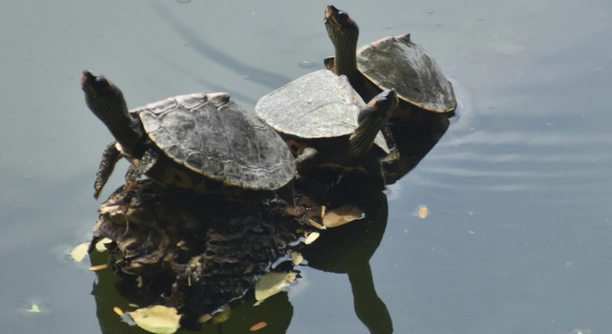
Indian roofed tortoises are known for their calm nature, but some owners find their pets attempting to escape their enclosures. This behavior can leave you wondering why your tortoise is so determined to break free.
The primary reason your Indian roofed tortoise may be trying to escape is due to stress, boredom, or insufficient space. These tortoises require a large, enriching environment to feel secure. Lack of stimulation or improper care can lead to this behavior.
Understanding why your tortoise behaves this way can help improve its living conditions and prevent future escapes.
Reasons Your Indian Roofed Tortoise Wants to Escape
Indian roofed tortoises may try to escape for a number of reasons. First and foremost, they need enough space to move around. A cramped environment can lead to frustration and restlessness. If their enclosure is too small, they may seek an escape in search of more freedom. Additionally, these tortoises need a warm, controlled environment to thrive. If their habitat is too cold or doesn’t mimic the conditions they would naturally live in, they may attempt to leave in search of better conditions. Another factor could be insufficient hiding spots or places to explore. Tortoises are naturally curious creatures, and a lack of mental stimulation can lead them to try escaping to find something new.
Your tortoise could also be responding to the lack of appropriate care. If they feel threatened or unsafe, they might try to flee. This can happen if there are other pets around or if their space feels insecure.
Providing a well-equipped and spacious environment is key. Try creating an enclosure that mimics their natural habitat, with hiding spots, safe heating options, and enough room to roam.
How to Prevent Your Tortoise from Escaping
To stop your tortoise from escaping, ensure the enclosure is large enough for its size. A spacious, secure home is essential for its well-being.
Creating a proper habitat with plenty of hiding spots and things to explore will make your tortoise feel more comfortable and reduce the urge to escape. Also, ensuring the temperature is warm enough for your tortoise will discourage it from trying to leave its environment.
Space and Enclosure Size
A small enclosure is one of the main reasons why your tortoise may want to escape. If the space doesn’t allow enough movement, your tortoise could feel trapped. Make sure the enclosure is large enough to meet your tortoise’s needs. They require space to roam freely and explore.
The size of the enclosure should be at least four times the length of your tortoise’s shell. This ensures they have enough space to walk, stretch, and even burrow. If the enclosure is too small, your tortoise may start showing signs of stress, like pacing or attempting to escape. Consider expanding the enclosure or adding more space within its boundaries.
A larger area not only reduces escape attempts but also allows for proper placement of heat lamps, water sources, and hiding spots. This helps maintain a stable, stress-free environment for your tortoise. Adding natural elements like plants or rocks can also make the enclosure more stimulating.
Temperature and Humidity
Temperature plays a crucial role in your tortoise’s behavior. If the enclosure is too cold, your tortoise may seek warmth elsewhere, often attempting to escape. It’s important to maintain a stable temperature that mimics their natural environment.
Ensure the warm side of the enclosure is between 85°F and 90°F, with a cooler side around 75°F. You can use heat lamps or ceramic heaters to maintain these temperatures. Humidity also affects your tortoise’s comfort. Too little moisture in the air can cause health issues and stress, which might lead to escape attempts.
Keeping the humidity levels between 50% and 70% will help your tortoise feel at ease. Regularly monitor both temperature and humidity levels to ensure they remain consistent. If your tortoise is trying to escape, it could be because these factors are out of balance, so adjusting them may help.
Hiding Spots and Enrichment
Tortoises need hiding spots to feel secure. Without places to retreat to, they may become stressed and attempt to escape. Adding rocks, logs, or tunnels can provide these spots, making them feel safe. A naturalistic environment helps them feel more at ease.
Creating an enriching habitat with climbing structures, plants, and areas to explore helps prevent boredom. Without stimulation, your tortoise might seek excitement outside the enclosure. By offering a variety of textures and objects, you can keep them mentally and physically active, which reduces escape behavior. It’s essential to regularly rotate items in the enclosure to maintain interest.
Other Pets and Distractions
If there are other pets in the house, they may be causing stress. Predatory animals, like cats or dogs, can make your tortoise feel unsafe, leading it to try escaping. Even the sight or scent of other pets can trigger this behavior.
Keep your tortoise’s enclosure in a quiet, secure area away from potential threats. If necessary, consider creating barriers to block their view of other pets. When your tortoise feels safe and undisturbed, it’s less likely to try to escape.
FAQ
Why is my Indian roofed tortoise pacing around its enclosure?
Pacing can be a sign of stress or boredom. Tortoises are naturally curious and need mental stimulation. If they are confined to a small space with limited enrichment, they may pace as a way to release energy. Additionally, pacing can happen if the temperature or humidity levels are off, or if they feel unsafe. Providing a larger, well-equipped enclosure with places to explore and hide can help reduce pacing.
How can I tell if my tortoise is stressed?
Signs of stress in tortoises include rapid pacing, digging, excessive hiding, or trying to escape. A stressed tortoise might also lose its appetite, become lethargic, or display defensive behavior, such as biting or hissing. If you notice these behaviors, it’s important to check the environment, including temperature, humidity, and space, to ensure it’s comfortable for your tortoise.
What size should my tortoise’s enclosure be?
The enclosure should be at least four times the length of your tortoise’s shell. For example, if your tortoise’s shell is 6 inches long, the enclosure should be at least 24 inches long. A larger enclosure allows them to roam, which helps prevent boredom and escape attempts. The bigger the better, as it provides more opportunities for exploration.
Can my tortoise live outside in a garden?
If you live in a warm climate, you can allow your tortoise to spend time outside in a secure garden. However, it’s important to make sure the area is safe and free from predators, and that your tortoise cannot escape. The garden should have enough space, shade, and protection from extreme weather. Always supervise your tortoise when outdoors.
How often should I feed my Indian roofed tortoise?
Feed your tortoise every two to three days. The diet should mainly consist of leafy greens, grasses, and flowers. You can occasionally offer fruits, but they should not make up the bulk of their diet. Ensure the food is clean and free from pesticides. Offering a variety of food keeps them engaged and satisfied.
Is it okay to keep my tortoise with other pets?
Tortoises generally prefer to be alone, as they can become stressed by other pets. If you have other animals, such as dogs or cats, it’s best to keep your tortoise’s enclosure separate. This helps prevent stress and ensures your tortoise has a calm, safe space to live. If introducing other animals, always monitor their interactions.
How can I ensure my tortoise’s habitat is the right temperature?
Use a thermometer to monitor the temperature in your tortoise’s enclosure. The warm side should be between 85°F and 90°F, while the cooler side should be around 75°F. Use a heat lamp or ceramic heater to achieve these temperatures. Avoid placing the lamp too close, as it may overheat the area.
Why is my tortoise not eating?
If your tortoise is refusing to eat, it could be due to stress, improper temperatures, or an illness. Check the enclosure’s environment, ensuring that the temperature and humidity are appropriate. A sudden change in diet or the presence of predators can also cause your tortoise to lose its appetite. If the problem persists, it’s best to consult a vet.
Can my tortoise escape if I leave the lid off its enclosure?
Yes, tortoises are surprisingly good at escaping. If your tortoise’s enclosure has no lid or secure walls, it might crawl out and wander off. Even if the enclosure is large enough, without a secure lid, your tortoise can escape, potentially getting lost or injured. Always make sure the enclosure is tightly closed.
How can I make my tortoise’s enclosure more interesting?
Add natural elements such as rocks, branches, and plants to encourage exploration. Tortoises love climbing, digging, and hiding. You can also add tunnels, safe substrates like coconut fiber, and varied textures to stimulate their curiosity. Regularly changing or rotating these items can also keep your tortoise entertained and mentally engaged.
Why is my tortoise trying to dig?
Digging is a natural behavior for tortoises. It can serve various purposes, such as finding food, creating a comfortable resting space, or hiding from perceived threats. If your tortoise is digging excessively, check the environment. Ensure the enclosure provides enough space for exploration, and check for any signs of stress or discomfort.
How can I keep my tortoise from climbing the walls of its enclosure?
If your tortoise is attempting to climb, it might feel confined or stressed. You can add more horizontal space and create areas that encourage movement on the ground. Ensure the walls of the enclosure are tall enough to prevent escapes. Adding textures such as logs or plants along the walls can reduce climbing attempts.
Can I give my tortoise a bath?
Yes, bathing your tortoise is a good way to ensure hydration and cleanliness. You can soak your tortoise in shallow, lukewarm water for about 10-15 minutes. Make sure the water level is not too high to prevent drowning. Regular baths help maintain hydration, especially if your tortoise isn’t drinking enough water.
How can I prevent my tortoise from getting too hot?
If your tortoise is exposed to heat for too long, it could become overheated, leading to stress or health issues. Ensure there are shaded areas in the enclosure where your tortoise can escape the heat. Avoid placing the heat source too close, and always monitor temperature levels. Providing a cool area is just as important as a warm one.
Final Thoughts
Understanding why your Indian roofed tortoise is trying to escape is important for its well-being. It often indicates that something in its environment isn’t right. Whether it’s stress, boredom, or an uncomfortable habitat, these factors need to be addressed to create a healthy living space. The more you can provide a stimulating, secure environment, the less likely your tortoise will feel the need to escape. Taking the time to observe your tortoise’s behavior and making simple adjustments can go a long way in keeping it happy.
Creating the right habitat is crucial for your tortoise’s mental and physical health. Ensuring that the enclosure is large enough, with a variety of hiding spots and climbing opportunities, will prevent your tortoise from feeling trapped. Be mindful of the temperature, humidity, and overall comfort of the enclosure. Regularly check these conditions and adjust them as needed. Small changes, like adding new items to explore or adjusting the lighting, can help keep your tortoise from becoming bored or stressed. Remember, a comfortable tortoise is a less likely escape artist.
In addition to providing a secure home, it’s important to monitor your tortoise’s behavior and diet. Stress can sometimes stem from social interaction with other pets or a lack of proper care. Feeding your tortoise a balanced diet and keeping it hydrated will improve its overall health and mood. Always make sure its needs are met and make adjustments to its environment when necessary. By staying observant and proactive, you can help your tortoise thrive and enjoy a more peaceful life.

Hello,
If you enjoy the content that we create, please consider saying a "Thank You!" by leaving a tip.
Every little bit helps us continue crafting quality advice that supports the health, happiness, and well-being of pets around the world, for pets of all shapes, sizes, and species.
We really appreciate the kindness and support that you show us!