
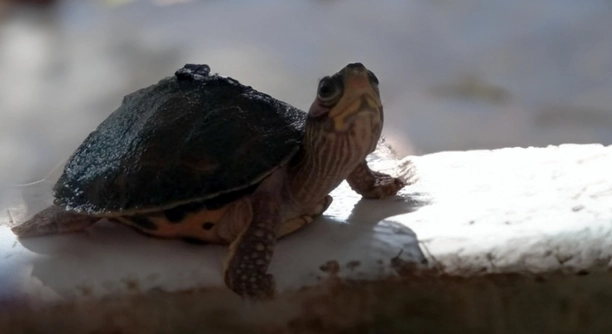
Many pet owners wonder why their Indian Roofed Tortoise spends so much time in one spot. Understanding their behavior can offer insights into their comfort, health, and overall well-being. It’s not always as simple as it seems.
The primary reason your Indian Roofed Tortoise sits in the same spot is that it feels safe and comfortable there. Tortoises are creatures of habit and often find a location that suits their needs for warmth, quiet, and security.
Knowing why your tortoise gravitates toward specific spots can help improve its environment. This can also ensure that it stays active and healthy. It’s a good idea to consider environmental factors that may affect its behavior.
Why Does My Tortoise Pick a Specific Spot?
Indian Roofed Tortoises often sit in the same place because they feel safe and comfortable. These reptiles have specific needs for warmth, security, and a place to retreat from stress. Tortoises are not as active as other pets and tend to stay put, especially if the location meets their environmental requirements. They prefer spots that give them the right temperature and allow them to hide when they feel the need to. If they’re in a spot with adequate lighting, heat, and low disturbance, they are likely to stay there for extended periods. These animals may also develop habits that make them stick to a certain spot, especially if it offers them peace and security.
Sometimes it can feel odd when your tortoise keeps coming back to the same spot. However, it’s not uncommon. Understanding this behavior will help you make sure your tortoise’s environment is just right for it.
Keeping their habitat stable is key. If you notice your tortoise favoring a spot, take a closer look. Perhaps there’s something about the spot that meets their needs. It could be the warmth of a sunspot or an area that feels less stressful. Consider temperature, lighting, and space when evaluating their preferred area. The more comfortable they feel, the more likely they’ll stay in that spot.
Can Stress Affect Where My Tortoise Stays?
Yes, stress can certainly play a role in why your tortoise chooses a certain spot. Animals are sensitive to changes in their environment, and stress can cause them to seek comfort in familiar places.
Stress in tortoises can stem from many things, like loud noises, other pets, or changes in their enclosure. If your tortoise is sitting in the same spot more than usual, it might be a sign that it’s trying to avoid stressors. When a tortoise feels anxious or uncomfortable, it may retreat to its chosen spot, where it feels secure. This behavior is a way of coping with the stress. Ensuring your tortoise has a quiet, calm space can reduce the chances of it getting stressed. The environment should mimic a natural setting as much as possible, providing the right conditions that make your tortoise feel at ease. If it’s continuously sitting in one spot, especially when it’s not the usual place, there may be something causing it stress that you need to address.
Temperature and Lighting Can Play a Big Role
Temperature is a major factor in where your tortoise spends its time. If a spot is warmer or cooler, your tortoise will likely stick to it. Tortoises rely on heat to regulate their body temperature, and they often seek out areas that feel just right.
If the area your tortoise sits in feels particularly warm, it could be because that spot is absorbing sunlight or heat. Indian Roofed Tortoises need a consistent temperature to stay healthy, and they often look for a place that matches their needs. If they’re too cold or too hot, they might move around, but if they find a spot that’s comfortable, they tend to stay put. Be sure to check if their enclosure has the right lighting, like a UVB light, that helps them stay healthy and active.
Providing a heat source and light in different areas of the enclosure gives your tortoise more control over its environment. Try adding a basking area where your tortoise can rest comfortably. Make sure there’s enough shade as well, so it doesn’t overheat.
Is My Tortoise Too Comfortable in That Spot?
Sometimes, your tortoise just finds a spot it likes and becomes a little too comfortable. As long as the conditions are right, they might stay in the same spot without any issues. But it’s important to remember that too much stillness isn’t always ideal.
If your tortoise stays in one place too long, it might be missing out on exercise. Tortoises need to move around to stay healthy and avoid stiffness. Make sure there’s enough space in their habitat for them to roam. You can encourage your tortoise to explore by rearranging its enclosure or providing different types of terrain, like ramps or hides. Giving your tortoise variety in its environment can inspire it to move around more and find other spots that feel good to rest in.
Creating a more engaging environment could help prevent your tortoise from staying in one place all the time. With the right setup, your tortoise will have the option to explore, relax, and stay healthy.
Habits and Routine
Tortoises are creatures of habit and tend to stick to the same routines. If your tortoise has chosen a particular spot, it might be because that area has become a part of its daily pattern.
Once your tortoise gets used to a spot, it will likely return to it regularly. This is normal behavior, as tortoises find comfort in repeating actions. If you notice that your tortoise spends time in one place, it’s likely that it associates the spot with safety, food, or a consistent temperature. Over time, this routine can become a preferred part of its life.
Health Concerns to Watch Out For
If your tortoise spends excessive time in the same spot, it could signal a health issue. Reduced movement may indicate discomfort or illness. If your tortoise isn’t exploring as much as usual, take a closer look at its physical health.
Ensure its shell is free from cracks or damage, as this could prevent movement. Check if there are any signs of respiratory issues, such as wheezing or labored breathing. A visit to the vet may be necessary if you notice changes in behavior or reduced activity.
Environmental Enrichment Can Help
Sometimes, your tortoise stays in one spot because its environment lacks stimulation. Adding enrichment can encourage more movement and exploration.
Introducing new textures, hides, or objects can make your tortoise feel more at ease in other areas of its habitat. Changing things up occasionally helps to keep things interesting for your pet.
FAQ
Why does my Indian Roofed Tortoise stay in the same spot all day?
Your tortoise likely stays in the same spot because it feels comfortable and secure there. Tortoises are creatures of habit and enjoy familiar environments. They may stay in one place if that spot provides the right warmth, light, or a sense of safety. Sometimes, the location might have the ideal temperature, which is important for their metabolism. This behavior is completely normal as long as your tortoise isn’t showing signs of distress or health issues.
How do I know if my tortoise is stressed?
Stress in tortoises can be caused by a variety of factors, such as loud noises, too much handling, or sudden changes in their habitat. Signs of stress include hiding, not eating, or moving less than usual. If your tortoise suddenly starts sitting in the same spot all the time, it could be avoiding something that’s making it anxious. Make sure its environment is calm, quiet, and safe, and avoid over-handling it. Stress can also result from improper lighting or temperature, so check if the conditions are right.
Can my tortoise’s health affect where it sits?
Yes, health problems can lead your tortoise to spend more time in a specific spot. If your tortoise is feeling unwell, it might retreat to a comfortable place and stay there more often. Health issues like respiratory problems, infections, or even shell damage can cause discomfort, leading your tortoise to stay still. If you notice any signs of illness, such as wheezing, swelling, or loss of appetite, it’s important to take your tortoise to a vet for a check-up.
Should I be concerned if my tortoise stays in one place too much?
Excessive stillness can sometimes be a concern, especially if your tortoise isn’t moving as much as it should. While resting is normal, too much inactivity may be a sign that something’s wrong. It could indicate an issue with its environment, temperature, or even its health. If your tortoise is only sitting in one spot and not engaging with its habitat, it’s worth evaluating whether its conditions are appropriate. Providing more space or changing the layout of its habitat can encourage movement.
How can I encourage my tortoise to move around more?
Encouraging your tortoise to move can be done by adding variety to its environment. Consider placing different hides, ramps, or objects that your tortoise can explore. Changing up its habitat every once in a while can inspire curiosity and activity. You could also ensure that there are different temperature zones in its habitat so it has options for basking and cooling off. A more stimulating environment will encourage your tortoise to explore new spots instead of staying in the same place.
Is it normal for my tortoise to be inactive during the winter months?
Yes, it’s quite normal for tortoises to be less active during colder months. Indian Roofed Tortoises, like many reptiles, are ectothermic and rely on external temperatures to regulate their body heat. As the weather cools, they might spend more time in one spot, particularly if they’re trying to conserve energy. If you live in a cooler climate, make sure that your tortoise has access to a heat source, like a basking light, so it can stay warm enough to remain active during the day.
How do I know if my tortoise is too hot or too cold?
A tortoise that is too hot will typically seek out cooler areas or try to dig. It may become sluggish or even open its mouth to regulate body temperature. On the other hand, if your tortoise is too cold, it may become inactive, stop eating, and hide more often. You can monitor its temperature by using a thermometer in different parts of its habitat. The basking area should be around 90°F (32°C), and cooler spots should range from 75-80°F (24-27°C).
What can I do to make my tortoise feel more comfortable in its habitat?
To ensure your tortoise feels comfortable, create a habitat that mimics its natural environment as much as possible. Provide both sunny and shaded areas, offer a hiding spot, and include a mix of surfaces for climbing or burrowing. Keep the habitat clean and free from harmful chemicals or sharp objects that could cause injury. The key is to provide a secure, quiet place with the right temperature and lighting. Regularly check the humidity and temperature levels to make sure they stay in the ideal range for your tortoise.
Why does my tortoise ignore its food sometimes?
If your tortoise isn’t eating, it could be due to several reasons, such as stress, temperature issues, or illness. A tortoise may also go off food if it’s not feeling well or if the food isn’t appealing to it. Ensure that the food is fresh and appropriate for your tortoise’s diet. If the temperature is too low, your tortoise may lose its appetite as well. If the problem persists for more than a few days, consider taking it to a vet for a check-up.
Can I move my tortoise’s favorite spot?
Yes, you can move your tortoise’s favorite spot, but be mindful of how it might affect its behavior. If you change the spot too much, it could cause stress, especially if your tortoise feels that it’s lost its safe place. When rearranging the enclosure, it’s best to move things gradually and observe your tortoise’s reaction. Giving it time to adjust to changes can help minimize stress. If you add new features or spots, make sure they also meet your tortoise’s temperature and security needs.
Final Thoughts
It’s normal for your Indian Roofed Tortoise to stay in the same spot, especially if it feels comfortable and safe there. These tortoises are creatures of habit and prefer stability. When they find a spot that provides the right temperature, security, or comfort, they may stay there for long periods. As long as they are eating, drinking, and showing normal behaviors, there’s usually no cause for concern. It’s important to observe your tortoise’s behavior and ensure it’s not becoming overly sedentary, which could be a sign of stress or health issues.
However, if you notice your tortoise spending too much time in one spot or displaying signs of inactivity, it may be worth adjusting its environment. Adding more variety to its habitat, like new hides or changing the layout, can encourage movement. Make sure the temperature and lighting are just right, as tortoises need proper warmth to stay healthy and active. If your tortoise continues to sit in one spot despite environmental changes, it could be a sign of illness or discomfort, in which case a visit to the vet would be a good idea.
In the end, understanding your tortoise’s behavior is key to ensuring its well-being. Tortoises are sensitive to their environment, and small changes in temperature, lighting, or habitat setup can make a big difference. With the right care and attention, your tortoise can enjoy a comfortable, healthy life. By keeping an eye on its habits and providing a secure, stimulating environment, you can help your tortoise thrive and enjoy a good balance of rest and activity.

Hello,
If you enjoy the content that we create, please consider saying a "Thank You!" by leaving a tip.
Every little bit helps us continue crafting quality advice that supports the health, happiness, and well-being of pets around the world, for pets of all shapes, sizes, and species.
We really appreciate the kindness and support that you show us!