
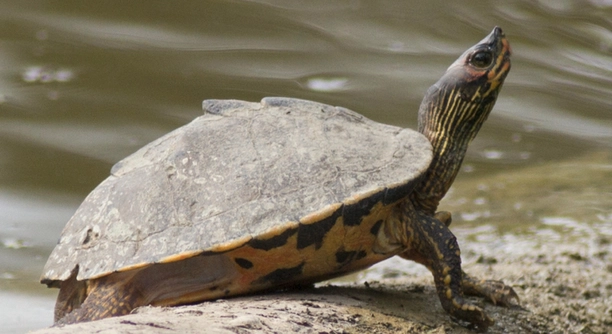
Is your Indian roofed tortoise spending most of its time lying in its water bowl? This behavior can be concerning, especially if it happens frequently. Understanding the possible reasons behind this habit can help you ensure your pet stays comfortable and healthy.
The most common reason your Indian roofed tortoise is always lying in its water bowl is to regulate its body temperature. Tortoises may also soak to stay hydrated, ease shedding, or relieve stress. However, excessive soaking could indicate health concerns like dehydration or illness.
Recognizing the cause of this behavior can help you determine if any adjustments are needed in your tortoise’s habitat. Ensuring proper temperature, humidity, and hydration can make a significant difference in its overall well-being.
Temperature Regulation and Comfort
Tortoises are ectothermic, meaning they rely on their environment to regulate body temperature. If the enclosure is too warm, your Indian roofed tortoise may seek relief by soaking in its water bowl. This helps it cool down and avoid overheating. On the other hand, if the habitat is too dry, the tortoise may spend more time in the water to maintain proper hydration. Ensuring the enclosure has a temperature gradient with a warm basking area and a cooler retreat can help. The water bowl should be appropriately sized—large enough for soaking but shallow enough to prevent difficulty in exiting.
A consistent habitat setup is essential for your tortoise’s well-being. The basking area should stay around 90°F, while the cooler side should be around 75°F. Humidity levels should remain between 60% and 80% to prevent excessive soaking behavior.
Proper temperature and humidity control can encourage your tortoise to use its water bowl appropriately rather than relying on it for constant comfort. Regular monitoring will help maintain a suitable environment.
Health Concerns and Stress
If your tortoise is spending too much time in the water, stress or health issues could be contributing factors. Certain illnesses, such as respiratory infections or dehydration, may lead to excessive soaking.
A stressed tortoise may display unusual behaviors, including staying in the water for extended periods. Possible stressors include improper enclosure size, frequent handling, or environmental changes. If the behavior continues despite proper habitat conditions, a veterinarian checkup is recommended.
Signs of dehydration include sunken eyes, lethargy, and dry skin. If your tortoise is frequently soaking but still appears dehydrated, it may not be absorbing enough water through its diet. Providing fresh vegetables with high water content, like cucumbers or leafy greens, can help improve hydration.
Infections and parasites can also cause unusual soaking behavior. If your tortoise shows signs of swelling, mucus discharge, or weight loss, a vet should evaluate its health. Timely intervention can prevent minor concerns from becoming serious.
Addressing any potential health or stress factors will help your tortoise feel more secure and comfortable in its habitat. Proper care ensures it remains active and healthy.
Shedding and Skin Irritation
Soaking helps a tortoise shed old skin more comfortably. If the humidity is too low, the skin may dry out, making shedding difficult. Regular misting and a well-maintained environment can reduce the need for excessive time in the water bowl.
A tortoise experiencing shedding issues may have flaky skin or retained scutes. This can be uncomfortable, leading it to soak more often for relief. Providing a humid hide, along with a balanced diet rich in vitamins, can support healthy skin. Avoid peeling or scrubbing the shedding skin, as this can cause irritation. Ensuring your tortoise has access to clean water and proper humidity levels will help it shed naturally.
Skin irritation from substrate particles, improper humidity, or minor infections can also encourage more time in the water. Checking for redness, swelling, or unusual patches can help identify if irritation is the issue. If the problem persists, consulting a vet can provide further guidance.
Habitat Adjustments and Proper Care
A well-maintained enclosure plays a key role in preventing excessive soaking. The habitat should have a temperature gradient, a humid hide, and a comfortable basking area. The substrate should retain moisture without becoming overly damp, and the water bowl should be accessible but not too deep.
Regular cleaning of the enclosure prevents bacterial buildup that can contribute to skin irritation or infections. Water should be changed daily, and the substrate should be spot-cleaned to prevent contamination. Using natural materials like coconut coir or cypress mulch can help maintain humidity levels without causing excessive dryness.
Observing your tortoise’s behavior can provide insight into necessary adjustments. If it frequently seeks water, check the overall humidity, temperature, and enclosure setup. Small changes, like adding more shaded areas or adjusting the water bowl’s size, can make a noticeable difference. Providing a stable and well-balanced habitat supports your tortoise’s natural behaviors while keeping it comfortable and healthy.
Hydration and Diet
A tortoise may soak frequently if it is not getting enough hydration from its diet. Fresh vegetables like cucumbers, lettuce, and bell peppers provide additional moisture. Ensuring access to clean water at all times helps prevent excessive soaking due to dehydration.
A dry diet with too many pellets or hay can lead to increased thirst. While these foods are important, they should be balanced with hydrating options. Offering a variety of leafy greens and occasional fruits can improve hydration. Monitoring food intake and ensuring a well-rounded diet helps maintain overall health.
Behavioral Patterns and Routine
Some tortoises develop a habit of soaking due to routine rather than necessity. If soaking occurs at the same time each day, it may simply be a learned behavior. Observing patterns and making minor adjustments to feeding and environmental factors can help regulate this habit naturally.
Final Thoughts
Maintaining a suitable habitat, proper diet, and hydration balance can reduce excessive soaking. If the behavior continues despite adjustments, a veterinarian can rule out underlying health concerns. Regular monitoring and small environmental changes help ensure a healthy and comfortable living space.
FAQ
Why does my Indian roofed tortoise spend so much time in its water bowl?
Your tortoise may spend a lot of time in its water bowl due to temperature regulation, hydration, or stress. Tortoises are ectothermic, meaning they rely on their environment to control body temperature. If the enclosure is too warm or dry, your tortoise may seek relief in the water. It could also be trying to stay hydrated or manage skin shedding. Ensure your tortoise has a balanced habitat with proper humidity and temperature gradients to reduce this behavior.
How can I tell if my tortoise is dehydrated?
Signs of dehydration include sunken eyes, dry or flaky skin, lethargy, and a lack of appetite. Dehydrated tortoises may also spend more time in the water in an attempt to rehydrate. Providing fresh water daily, along with hydrating foods like leafy greens, can help prevent dehydration. If dehydration persists, a visit to the vet may be needed for further treatment.
What is the best way to keep my tortoise’s habitat humid enough?
Maintaining humidity can be achieved by using a humidity box, misting the enclosure daily, or placing a shallow water dish in the tortoise’s habitat. Use substrates that retain moisture, such as coconut coir or cypress mulch, but avoid overly wet conditions. A humidity level between 60% and 80% is ideal for most tortoises. Regularly monitoring the humidity levels with a hygrometer helps you maintain the right balance.
Should I worry if my tortoise sleeps in the water bowl?
It’s normal for tortoises to sleep near or in their water bowl, especially if they feel comfortable or need the water for hydration. However, if your tortoise is consistently soaking or appears lethargic, it could be a sign of stress, dehydration, or illness. Check the water temperature and ensure your tortoise’s habitat is suitable for its needs.
How often should I change the water in my tortoise’s bowl?
Water should be changed daily to prevent bacteria buildup. Tortoises may also use the water bowl as a toilet, making daily changes necessary for cleanliness. Ensure the water bowl is large enough for the tortoise to soak in but shallow enough to exit easily. A clean water source helps your tortoise stay hydrated and healthy.
Can my tortoise get too much water?
While tortoises need water to stay hydrated, they can become stressed if they stay in the water for too long. If your tortoise is soaking excessively, it might indicate that the environment is too hot or dry. It’s essential to provide a balanced habitat with areas for both soaking and basking to allow your tortoise to self-regulate.
How do I know if my tortoise has a health issue?
Signs of health issues include lethargy, lack of appetite, abnormal shedding, swollen eyes, and unusual breathing sounds. If your tortoise is soaking more than usual or exhibits any other concerning symptoms, it’s best to consult a veterinarian who specializes in reptiles. Early intervention can help prevent more serious health problems.
Why is my tortoise not basking anymore?
If your tortoise isn’t basking, it could be due to an environmental issue, such as improper temperature or humidity. Tortoises need a warm basking area of about 90°F and a cooler area of around 75°F. Check the temperature gradients and ensure the enclosure is set up correctly. Stress, illness, or inadequate lighting could also prevent your tortoise from basking.
Can I add more water to my tortoise’s habitat?
Adding a shallow water dish is perfectly fine as long as it’s not too deep or overly large. Tortoises should have access to clean water at all times. However, make sure the water bowl is not so large that your tortoise has difficulty getting in or out. A shallow bowl with clean, fresh water works best.
How do I care for a tortoise that stays in the water bowl all day?
First, check the temperature and humidity of the enclosure. If the habitat is too hot or dry, your tortoise may seek water for relief. Provide a cooler, dry area for your tortoise to retreat to and ensure a proper temperature gradient. If soaking behavior continues despite habitat adjustments, consider consulting a vet for a health checkup.
Final Thoughts
Indian Roofed Tortoises may soak in their water bowls for a variety of reasons, including dehydration, temperature regulation, or even as part of their natural behavior. It’s essential to understand the underlying causes of this behavior to ensure the tortoise’s health and well-being. A proper environment with correct temperature, humidity, and hydration levels is key to helping your tortoise thrive. If your tortoise is spending too much time in its water bowl, it could be a sign of an environmental imbalance or a need for more hydration.
Maintaining a balanced habitat is crucial. Ensure that the tortoise has access to both a warm basking area and a cooler space to regulate its body temperature. The water bowl should be shallow enough to allow easy entry and exit, providing a safe space for soaking when necessary. Regularly changing the water and monitoring the humidity levels will also help keep your tortoise comfortable and healthy. Be mindful of your tortoise’s behavior, as it can serve as a helpful indicator of potential environmental issues or health concerns.
If the excessive soaking continues despite adjustments to the habitat and diet, it’s always a good idea to consult a veterinarian who specializes in reptiles. They can rule out underlying health problems and offer advice tailored to your tortoise’s specific needs. With the right care and attention, your tortoise will be able to enjoy its environment comfortably, whether that means soaking in the water bowl for a short time or simply relaxing in a well-maintained habitat.

Hello,
If you enjoy the content that we create, please consider saying a "Thank You!" by leaving a tip.
Every little bit helps us continue crafting quality advice that supports the health, happiness, and well-being of pets around the world, for pets of all shapes, sizes, and species.
We really appreciate the kindness and support that you show us!