
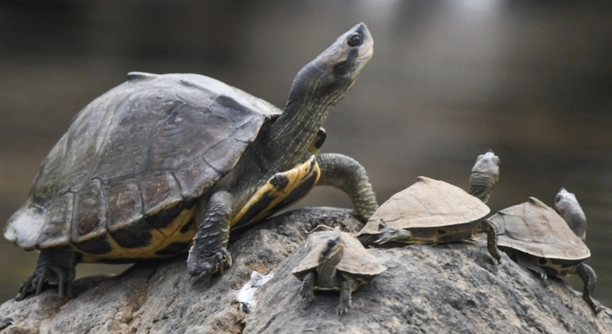
Your Indian Roofed Tortoise might spend a lot of time facing the corner of its tank, and it can be puzzling for many owners. Understanding its behavior can help you create a better environment for your pet.
Tortoises, including the Indian Roofed Tortoise, often face corners due to stress, confusion, or environmental factors like improper lighting, temperature, or tank size. These factors may cause the tortoise to seek a spot that feels secure or safe.
There are several possible reasons for this behavior, such as the tank’s setup, your tortoise’s health, or even its personality. Understanding these can help you adjust its environment for better well-being.
Possible Environmental Causes
The setup of your tortoise’s tank plays a significant role in its behavior. If the tank is too small or lacks proper hiding spots, your tortoise may become stressed and seek corners for comfort. Inadequate lighting and temperature are other factors to consider. Tortoises are cold-blooded, so they rely on their environment to regulate their body temperature. If the tank is too cold or too hot, it may cause discomfort, leading to unusual behavior like facing the corner. You should ensure that there’s a heat source and UV light to mimic natural conditions.
Adjusting your tortoise’s habitat could resolve this issue quickly. Proper heat and UV light are essential for its health and well-being. Without these, the tortoise might feel confused or vulnerable.
Keep an eye on the tank size and the available hiding spaces. Providing both can make your tortoise feel more secure, which may help reduce its corner-facing behavior. By offering a more balanced environment, you allow it to thrive.
Stress from Handling and Noise
Tortoises are generally shy and prefer calm surroundings. If your home is too noisy or if the tortoise is frequently handled, it may seek the corners of its tank to escape from the stress. Tortoises are sensitive to loud sounds, and this can make them feel unsafe. Minimizing disturbances, like avoiding loud music or sudden movements, can make your tortoise feel more at ease.
Reducing stress is key to ensuring that your tortoise feels secure. Some tortoises might become especially sensitive to changes in their environment, and loud noises can exacerbate this. When they feel threatened, they might retreat to a corner for safety.
To reduce the stress, create a calm, quiet environment. Avoid handling the tortoise too much, and if possible, place its tank in a low-traffic area. Over time, you may notice a difference in its behavior as it adjusts to the more peaceful surroundings.
Illness or Injury
If your tortoise is facing corners frequently, it may be dealing with illness or injury. Like many animals, a tortoise’s behavior can change when it’s not feeling well. The behavior of facing corners may be a way of hiding discomfort or pain. You should keep an eye on other symptoms like lethargy, loss of appetite, or unusual shell behavior.
Tortoises can experience a variety of health issues that may cause them to act differently. These can range from respiratory infections to digestive problems. If your tortoise is regularly hiding or staying still, it might be struggling with an internal issue. A visit to a vet who specializes in reptiles is recommended to rule out any serious health concerns.
Addressing health concerns as early as possible is crucial. The sooner you catch an issue, the better chance your tortoise has of recovering. In some cases, it may need medication or special care. Watching for other behavioral signs can guide you to seek help.
The Need for Privacy and Safety
Tortoises are naturally solitary creatures. They tend to seek privacy and safety, and sometimes, that means facing corners. If your tank has clear sightlines to outside activity, your tortoise might feel exposed. Corners provide a sense of seclusion.
Tortoises instinctively search for a space where they feel protected. A tank with open space or too many visible distractions may cause them to feel vulnerable. Corner-facing behavior might be your tortoise’s way of seeking refuge. By adding hiding spots or rearranging the tank’s setup, you can encourage a safer, more comfortable environment.
To ensure your tortoise feels secure, consider adding a few more hiding places. A small cave or large plant can give it a place to retreat. With more privacy, your tortoise may feel less inclined to turn to corners as its go-to hiding spot.
Tank Size and Space
A small tank might make your tortoise feel cramped, leading it to seek corners for comfort. Tortoises need enough room to move freely and explore. If the tank is too small, it can create stress and make your tortoise feel confined.
The ideal tank size for an Indian Roofed Tortoise is at least 40 gallons. This allows them to roam, stretch, and find their preferred spots. If the tank is too small, your tortoise will likely spend more time facing corners or hiding. It’s essential to provide enough space for their physical and mental well-being.
Inadequate Substrate
The substrate, or bedding material in the tank, also plays a role in your tortoise’s behavior. If the material isn’t suitable, it might cause discomfort. Tortoises need something that mimics their natural habitat, like soil or coconut fiber.
Inadequate substrate can lead to poor traction or an uncomfortable environment. A smooth, slippery surface might cause your tortoise to feel insecure and look for a corner to settle in. Make sure the substrate is easy to dig through and safe for your tortoise to interact with.
FAQ
Why does my tortoise keep staring at the corner of its tank?
When your tortoise stares at the corner, it might be searching for a safe spot or trying to avoid feeling exposed. This could be because of stress, illness, or even an inappropriate tank setup. Corners provide a sense of security and privacy. Sometimes, this behavior is a result of not having enough hiding spots or because the tank feels too small. Ensuring that your tortoise has more space, a proper temperature, and areas to hide can help minimize this behavior.
Is it normal for my tortoise to spend so much time in the corner?
It’s not unusual for a tortoise to spend time in corners, but if it’s constantly there, it may indicate something isn’t right with the tank setup or the tortoise’s health. Make sure the tank is large enough and that it offers sufficient privacy, warmth, and food. Constant corner-facing can also be a sign of stress or discomfort. If the behavior persists, it’s important to check the overall environment and possibly consult a veterinarian to rule out any health problems.
How can I make my tortoise feel less stressed in its tank?
Creating a calm and comfortable environment is key to reducing your tortoise’s stress. Make sure the temperature is correct, and there’s access to both a warm area and a cooler area. Avoid placing the tank in high-traffic areas, as constant movement can stress the tortoise. Adding hiding spots, such as small caves or plants, can also make a big difference. By creating a quiet, secure space for your tortoise, you can help it feel more relaxed.
What are the signs that my tortoise might be ill?
If your tortoise is constantly in a corner, it could be a sign of illness. Other symptoms to watch for include lack of appetite, lethargy, difficulty moving, or noticeable changes in its shell. Respiratory issues, such as wheezing or mucus around the nose, are also common signs of illness. If you notice any of these symptoms, it’s important to consult a veterinarian familiar with reptiles. Early detection of health issues can prevent them from becoming more serious.
Can poor lighting cause my tortoise to act strangely?
Yes, poor lighting can affect your tortoise’s behavior. Tortoises need both UVB lighting and a heat source to regulate their body temperature and produce vitamin D. Without these, they may become lethargic, stressed, or even sick. UVB light helps them metabolize calcium, which is vital for their shell and bone health. Ensure that your tortoise has access to proper lighting and temperature gradients within the tank to avoid behavior problems linked to improper lighting.
How often should I clean my tortoise’s tank?
Regular cleaning is important to maintain a healthy environment for your tortoise. You should remove waste and uneaten food daily. A more thorough cleaning, including replacing the substrate and cleaning the tank walls, should be done weekly. Keeping the tank clean helps prevent harmful bacteria and parasites that can affect your tortoise’s health. A clean environment can also reduce stress, as tortoises don’t like dirty or smelly spaces.
Can my tortoise’s behavior change with age?
Yes, tortoises can experience changes in behavior as they age. Younger tortoises tend to be more active and curious, while older tortoises may become more sedentary. However, if an older tortoise starts showing unusual behaviors like spending excessive time in a corner, it could be due to health issues or environmental factors. As tortoises age, they also become more sensitive to temperature fluctuations and may need adjustments to their habitat. Keeping a close eye on their behavior and making necessary adjustments will help them stay comfortable in their later years.
What temperature should my tortoise’s tank be?
The ideal temperature range for an Indian Roofed Tortoise is between 75-85°F (24-29°C) during the day. The warm side of the tank should be around 85°F (29°C), and the cooler side should be closer to 75°F (24°C). At night, the temperature can drop to around 70°F (21°C). Having a heat lamp and UVB light is important to replicate natural sunlight. If the temperature is too high or too low, your tortoise may become stressed and exhibit strange behavior like facing the corner of the tank.
Should I be worried if my tortoise is always in one corner?
If your tortoise spends most of its time in one corner, it’s a sign that something may not be right. It could be due to a lack of proper space, unsuitable temperature, or an illness. Make sure the tank setup provides both warmth and cool areas, and include hiding spots where your tortoise can retreat. If the behavior continues despite changes to the environment, it’s a good idea to check with a vet. Understanding the root cause can help address the issue and ensure your tortoise stays healthy.
How can I provide more enrichment for my tortoise?
Enrichment is important to keep your tortoise mentally and physically stimulated. You can add items to the tank like rocks to climb on, shallow pools of water to soak in, or plants to hide behind. A larger tank with varied terrain can also help, as it gives your tortoise more areas to explore. Providing a variety of food can also stimulate their senses. By offering these forms of enrichment, you help your tortoise stay engaged and reduce repetitive behavior like always facing the corner.
Final Thoughts
Understanding why your Indian Roofed Tortoise may spend a lot of time facing the corner of its tank is important for its well-being. There are many reasons this behavior can occur, such as environmental factors, stress, or even illness. The key is to identify what might be causing this behavior and make the necessary changes to the tortoise’s environment. Often, small adjustments to the tank setup can make a big difference in how your tortoise feels. Ensuring the tank is the right size, has the proper lighting, and provides hiding spots can all help reduce the tendency to stay in corners.
In addition to environmental adjustments, it’s important to consider the tortoise’s overall health. If the corner-facing behavior persists despite changes to the tank, it might be a sign of illness. Keeping an eye on other symptoms, such as lack of appetite or changes in behavior, can help you catch any potential health issues early. If you notice anything concerning, consulting a vet who specializes in reptiles is a good idea. Tortoises can’t always communicate when something is wrong, so it’s up to you to monitor their behavior closely and seek help when needed.
At the end of the day, the goal is to create a comfortable and secure environment for your tortoise. Every tortoise is different, so it’s important to be patient and try different approaches if one solution doesn’t work. By making sure the tank is spacious, has the proper temperature and lighting, and includes hiding spots, you’re giving your tortoise the best chance at feeling happy and healthy. Keep an eye on your pet and make adjustments when necessary, and your tortoise will likely become more comfortable and stop facing the corners as much.

Hello,
If you enjoy the content that we create, please consider saying a "Thank You!" by leaving a tip.
Every little bit helps us continue crafting quality advice that supports the health, happiness, and well-being of pets around the world, for pets of all shapes, sizes, and species.
We really appreciate the kindness and support that you show us!