
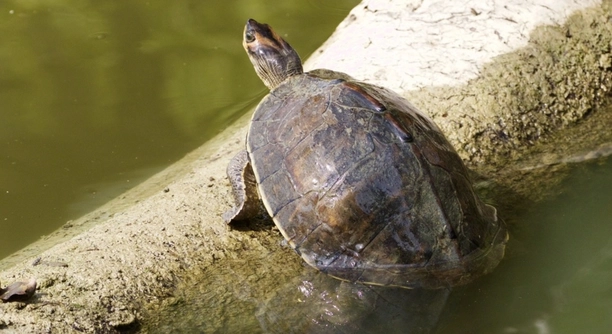
Indian roofed tortoises are known for their curious nature, often engaging in behaviors that can raise questions for their owners. One such behavior is their frequent climbing of objects, which may seem unusual or concerning at first.
The primary reason your Indian roofed tortoise climbs objects is linked to its natural instincts and environment. These tortoises are naturally inclined to explore, seeking elevated spots for shelter, temperature regulation, and a better view of their surroundings.
Understanding the causes behind your tortoise’s climbing behavior can help you provide a suitable environment. This will ensure its comfort and health in the long term.
Why Climbing Is a Natural Behavior
Indian roofed tortoises are naturally curious and often climb to explore their environment. This behavior can also be a result of seeking out higher ground for a better view or to access more sunlight. In the wild, climbing is part of their routine for finding shelter, food, and a safe space away from predators. In captivity, the environment may not always provide the same climbing opportunities, so your tortoise will look for alternative surfaces. This instinctual behavior is a sign that they are trying to feel more comfortable in their habitat.
While climbing might seem odd or worrying, it’s important to understand that tortoises engage in it to fulfill natural needs. A lack of vertical space could contribute to your pet climbing more frequently. Ensuring their enclosure includes objects for climbing can help prevent stress and keep them active.
A well-structured environment, complete with platforms or rocks, will encourage your tortoise to climb in a controlled and safe manner. This helps to mimic their natural surroundings and makes them feel more secure.
Managing Climbing Behavior
While climbing is natural, excessive climbing can indicate other issues. A tortoise might climb more if it feels stressed, insecure, or lacks enough space. The behavior is also linked to its attempts at exploring, which is why enrichment in their environment is essential. Providing a variety of climbing options can prevent frustration and offer a more fulfilling habitat.
Adding ramps or low platforms can help keep your tortoise engaged without the risk of injury. However, be sure to keep climbing surfaces within safe reach to prevent accidents. Adding hides or plants that offer shelter can also reduce their need for climbing as they will feel more secure.
Creating a balanced enclosure, with opportunities for climbing and hiding, is key to supporting your tortoise’s well-being. With careful planning, you can offer a secure and stimulating environment that addresses both their natural instincts and comfort needs.
Environmental Factors Affecting Climbing
The temperature, humidity, and overall setup of your tortoise’s habitat can impact climbing behavior. Tortoises climb to regulate their body temperature or find a spot with better lighting. Inadequate heating or poor lighting may encourage them to seek out higher ground, where they feel more comfortable.
Your tortoise may also climb if the humidity levels aren’t right. Tortoises need a specific level of humidity to stay healthy. If the environment is too dry or too humid, they may climb objects to find a more comfortable area. Adjusting the humidity can help reduce this behavior.
To address this, monitor both the temperature and humidity closely. Providing a basking spot with the right temperature range and ensuring there’s enough moisture can help your tortoise stay comfortable and less inclined to climb excessively. These small adjustments can create a healthier environment, making your tortoise feel more secure.
Providing Proper Enclosure Design
A well-designed enclosure can prevent excessive climbing. It should have enough space for your tortoise to move around without feeling confined. Adding a variety of surfaces like rocks, logs, or platforms encourages climbing while maintaining a safe and enriching space.
Ensure there are hiding spots and areas to rest, so your tortoise doesn’t feel the need to climb for safety. Including objects like these promotes physical and mental well-being. Tortoises that have the right amount of space and the opportunity to climb safely are less likely to experience stress.
Creating a secure and balanced enclosure means giving your tortoise a chance to thrive. By adding elements that encourage exploration, you ensure that it can climb in a way that mimics its natural behavior while still feeling safe. This is vital to its overall health.
Common Health Issues Leading to Climbing
Health issues can also cause excessive climbing in Indian roofed tortoises. If a tortoise feels unwell, it may climb in search of a more comfortable position or a way to regulate its body temperature. This behavior can sometimes signal underlying issues that need attention.
In some cases, the tortoise may be suffering from a respiratory infection or internal discomfort. If climbing becomes more frequent or erratic, it’s worth checking for any physical signs of illness. This may include abnormal breathing, lethargy, or lack of appetite, which require a visit to the vet.
Addressing health issues promptly can ensure your tortoise returns to normal behavior. Regular health checks, proper diet, and monitoring their activity levels will keep your pet in optimal condition.
Diet and Climbing Behavior
A tortoise’s diet can also play a role in its climbing tendencies. Malnourishment or deficiencies in calcium and other essential nutrients can cause discomfort, leading to climbing as a way to find a better resting spot.
Providing a balanced diet with plenty of fiber, calcium, and fresh vegetables can help alleviate this. It’s essential to monitor your tortoise’s food intake to ensure it’s getting the right nutrients to support its natural behavior and prevent unnecessary climbing.
Ensure access to proper food and supplements as needed to keep your tortoise healthy and active.
Addressing Stress Through Environment
Stress is another reason your tortoise may be climbing more than usual. Overcrowded living spaces, loud noises, or insufficient hiding spots can all cause anxiety in tortoises. A stressed tortoise will often seek high ground to escape its environment.
To help reduce stress, make sure your tortoise’s environment is quiet and peaceful. Adding more hides or structures to climb on can help it feel more secure. Consider using soft materials like moss or leaves to reduce any discomfort from hard surfaces.
FAQ
Why does my tortoise climb so much?
Tortoises, especially Indian roofed tortoises, climb due to natural instincts and environmental factors. They climb to explore, regulate their temperature, or find better lighting. In captivity, this behavior might be more pronounced if the enclosure lacks sufficient climbing opportunities or the environment is uncomfortable.
Is climbing a sign of stress in my tortoise?
Climbing can be a sign of stress if the tortoise feels uncomfortable or insecure in its environment. Overcrowded spaces, inadequate hiding spots, or excessive noise can contribute to anxiety. To reduce stress, create a calm, spacious enclosure with areas for your tortoise to hide and climb safely.
How do I know if my tortoise is climbing too much?
If your tortoise is climbing excessively, it might be a sign of discomfort, stress, or health problems. Monitor its behavior and look for signs of illness, such as lethargy, changes in appetite, or abnormal breathing. If the climbing behavior continues or worsens, a vet visit is recommended.
Can the temperature of the enclosure affect my tortoise’s climbing behavior?
Yes, temperature plays a crucial role in your tortoise’s climbing behavior. If the enclosure is too cold or too hot, your tortoise may climb to find a more comfortable spot. Ensure your enclosure has a temperature gradient with a basking spot and cooler areas to help your tortoise regulate its body temperature.
Should I add climbing structures to my tortoise’s enclosure?
Adding climbing structures to the enclosure can be beneficial. It allows your tortoise to engage in natural behaviors like climbing, which is crucial for their mental and physical well-being. However, be mindful to keep the climbing surfaces safe, with soft materials that won’t cause injury.
How can I reduce excessive climbing in my tortoise’s enclosure?
To reduce excessive climbing, first, check the overall conditions of the enclosure. Ensure the temperature, humidity, and space are adequate. Provide hiding spots and more ground-level enrichment to keep your tortoise engaged. If the behavior persists, consider adjusting the environment or seeking veterinary advice.
Can poor diet cause my tortoise to climb?
Yes, an improper diet can contribute to climbing behavior. Nutrient deficiencies, particularly in calcium, can cause discomfort, leading your tortoise to climb in search of a better position. Ensure your tortoise receives a balanced diet, including enough calcium and fiber, to prevent health-related climbing behavior.
What kind of climbing structures are best for my tortoise?
Safe climbing structures include rocks, ramps, or logs that are stable and not too steep. Avoid sharp edges or anything that could cause injury. These structures provide your tortoise with the opportunity to engage in climbing while still feeling secure in its environment.
Can my tortoise climb too much and hurt itself?
Yes, excessive climbing can lead to injuries, especially if the surfaces are unstable or too high. To prevent injuries, ensure the climbing structures in the enclosure are safe and provide a gentle descent. Avoid allowing your tortoise to climb too high or fall from dangerous heights.
How often should I monitor my tortoise’s behavior?
It’s important to monitor your tortoise’s behavior regularly. Check for signs of stress, illness, or unusual climbing patterns. Keep an eye on how often your tortoise climbs, and make sure the environment is conducive to its natural behaviors. Regular observation will help you address any potential issues before they become problems.
Final Thoughts
Indian roofed tortoises are naturally curious animals, and climbing is a behavior deeply rooted in their instincts. While climbing can be a sign of exploration or comfort, it may also indicate discomfort or stress if it becomes excessive. Understanding the causes of this behavior is crucial in ensuring your tortoise’s health and happiness. By creating a suitable environment with proper temperature, humidity, and space, you can help minimize excessive climbing while still allowing your tortoise to engage in its natural behaviors.
It’s important to consider the physical and emotional needs of your tortoise when setting up its enclosure. Providing adequate space, safe climbing structures, and hiding spots will not only prevent stress but also enrich its life. A well-designed environment that mimics its natural habitat can help your tortoise feel secure and content. Monitoring its diet and behavior will also help you spot any underlying health issues that may contribute to climbing behavior. Regular health checks and adjusting the environment as needed will ensure your tortoise remains comfortable and healthy.
In the end, a balanced approach to caring for your Indian roofed tortoise involves meeting its physical, emotional, and environmental needs. With the right setup, your tortoise will be able to climb and explore in a way that promotes both its health and well-being. Understanding the reasons behind its climbing habits and making thoughtful adjustments to its habitat will help you provide the best care possible.

Hello,
If you enjoy the content that we create, please consider saying a "Thank You!" by leaving a tip.
Every little bit helps us continue crafting quality advice that supports the health, happiness, and well-being of pets around the world, for pets of all shapes, sizes, and species.
We really appreciate the kindness and support that you show us!