
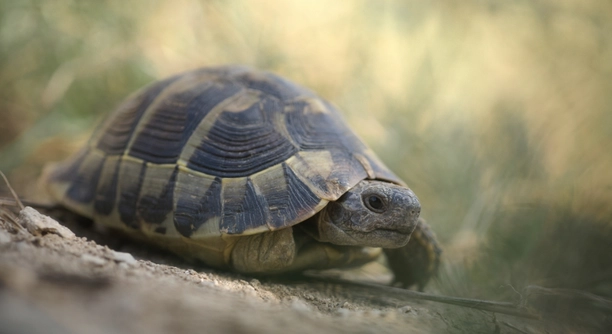
Hermann’s tortoises are known for their beautiful, hard shells. However, if you’ve noticed your tortoise’s shell becoming lighter, you might be wondering what’s going on. Understanding why this happens is essential for keeping your pet healthy.
The main reason why a Hermann’s tortoise shell lightens is due to natural shedding or changes in the environment. Exposure to sunlight and proper humidity can also affect the color of their shell. However, significant color changes could signal a health issue.
There are several factors that could be influencing your tortoise’s shell color. From diet and lighting to health concerns, it’s important to understand these causes to ensure your tortoise stays happy and healthy.
Natural Shedding and Growth
As your Hermann’s tortoise matures, its shell naturally sheds old layers of scutes (the hard plates on its shell). This process is similar to how snakes shed their skin. Over time, as the scutes are replaced, the shell may appear lighter. This is completely normal and often occurs in stages. Younger tortoises may shed their scutes more frequently than older ones.
Proper diet and care can support this natural process. A healthy tortoise with access to a balanced diet and enough calcium will have a smooth transition. You might notice slight changes in shell color, but it shouldn’t be drastic. This shedding process helps your tortoise maintain a healthy and well-maintained shell.
If you observe your tortoise shedding more than usual or notice any other unusual behavior, it’s worth keeping an eye on its overall health. In most cases, natural shedding is nothing to worry about, but it’s important to monitor your pet for signs of stress.
Environmental Factors Affecting the Shell
Your tortoise’s environment can influence its shell color. Sunlight exposure plays a significant role in the development of a healthy shell. Without enough natural UV light, a tortoise’s shell may lighten, and its overall health could suffer.
In captivity, proper lighting should mimic natural sunlight as closely as possible. UVB lamps are essential, especially for indoor tortoises. Too little sunlight can cause issues like shell deformities and lighter shell tones. Make sure the temperature and humidity levels in the habitat are also ideal. Both play a role in your tortoise’s shell condition.
Regular outdoor time, weather permitting, can also help your tortoise maintain a natural, vibrant shell color. However, be mindful of extreme weather conditions, which can negatively affect your pet’s health. A combination of the right lighting, temperature, and outdoor time ensures that your Hermann’s tortoise can thrive.
Diet and Nutrition
A balanced diet is crucial to maintaining a healthy shell. Hermann’s tortoises need a diet rich in fiber, calcium, and other essential nutrients for shell growth. A lack of calcium can cause issues like a weakened shell, which may also affect its color. Providing a variety of leafy greens, flowers, and vegetables helps support their shell health. Additionally, calcium supplements are often needed to ensure your tortoise gets enough of this important mineral. Without proper calcium intake, your tortoise may develop metabolic bone disease (MBD), which can cause its shell to become thin, brittle, or lighter in color.
In addition to calcium, vitamin D3 is necessary for proper calcium absorption. Too little of this vitamin can also affect your tortoise’s ability to maintain a healthy shell. Offering a varied diet with the right nutrients will prevent deficiencies and keep your tortoise’s shell strong and colorful. Pay attention to how your pet reacts to certain foods and adjust the diet accordingly for the best results. Over time, a well-balanced diet will keep your Hermann’s tortoise in good health, ensuring its shell maintains a healthy color.
Health Issues and Illnesses
Health problems like fungal infections or shell rot can cause your Hermann’s tortoise’s shell to lighten. These conditions often result from poor habitat conditions, such as excess moisture or inadequate cleaning. It’s important to regularly inspect your tortoise’s shell for any signs of softness, discoloration, or lesions.
Shell rot, a bacterial infection, can cause parts of the shell to break down, making it appear lighter or discolored. It typically happens when the shell gets too wet or isn’t cleaned properly. If you notice any unusual changes, you should visit a vet to rule out any serious health concerns. Keeping your tortoise’s living space dry and well-maintained can help prevent such infections.
A healthy tortoise will have a hard, smooth shell, and any noticeable change in color or texture could be a sign of an underlying issue. Early detection and treatment are key to managing any health problems. Regular vet checkups ensure your tortoise stays in the best shape possible.
Shell Abnormalities and Genetic Factors
Sometimes, changes in your tortoise’s shell color can be due to genetic factors. While most color changes are linked to age or diet, some tortoises have lighter or darker shells due to their genes. This is completely natural and shouldn’t be a cause for concern.
In some cases, shell abnormalities can be hereditary. If your tortoise comes from a line with lighter shells, it may have this trait as well. These changes typically don’t affect the tortoise’s health. However, if the lightening is extreme or combined with other health issues, it’s worth seeking professional advice. Genetics play a role in shaping the appearance of the shell but generally don’t interfere with the tortoise’s overall well-being.
If you’re concerned about the appearance of your tortoise’s shell, consulting a veterinarian who specializes in reptiles can help determine whether it’s a genetic trait or something that needs attention.
Stress and Environmental Changes
Changes in your tortoise’s environment can lead to stress, which may affect its shell color. Stress can be triggered by things like temperature fluctuations, loud noises, or other pets. When stressed, tortoises may also stop eating or behave unusually.
A stressed tortoise may experience changes in shell color, including lightening. If you notice this, check its habitat for potential stressors. Provide a quiet, stable environment with consistent temperatures to help your tortoise feel secure. Reducing stress will help maintain its overall health and prevent unnecessary changes to its shell.
Aging and Natural Aging Process
As your Hermann’s tortoise grows older, it’s natural for its shell to lighten or show slight color changes. These changes are part of the aging process and shouldn’t be cause for concern. Older tortoises may shed their scutes less frequently, leading to slower shell changes.
Age can cause the shell to look more faded or dull. However, if the tortoise is otherwise healthy, this isn’t usually a sign of any serious issues. Just like humans, tortoises can experience subtle changes as they grow older, and these may include lighter shells.
Lighting Issues
Without proper UVB lighting, your tortoise may not get the nutrients it needs to maintain a healthy shell. UVB light is essential for calcium absorption, which keeps the shell strong and vibrant. Too little UVB light can cause it to become lighter and weaker.
A proper UVB light setup is crucial, especially for indoor tortoises. Ensure the light is in the correct position, and replace it regularly to maintain proper calcium levels. Exposure to natural sunlight is equally important when possible. Adequate lighting is a key factor in preserving the tortoise’s shell health.
FAQ
Why is my Hermann’s tortoise’s shell turning yellow?
Yellowing on a Hermann’s tortoise’s shell can occur due to a variety of factors. It may simply be part of the natural shedding process, where old scutes are being replaced. However, it could also indicate health issues, such as fungal infections or shell rot, especially if the shell appears soft or has any unusual texture. Poor lighting or a lack of calcium in the diet can also cause discoloration. It’s essential to inspect the shell for any abnormalities and ensure proper diet and lighting. If the yellowing persists or worsens, consulting a veterinarian is advised.
How can I prevent my tortoise’s shell from becoming too light?
To prevent your tortoise’s shell from becoming too light, ensure that it has access to proper UVB lighting and a balanced diet rich in calcium and vitamin D3. A lack of these nutrients can lead to a lighter or weakened shell. Regular exposure to natural sunlight is ideal, but if that’s not possible, invest in high-quality UVB lamps designed for reptiles. Also, ensure that your tortoise’s habitat is kept clean, dry, and free of stressors like temperature fluctuations or loud noises. A stable and consistent environment supports overall health, including shell color.
What should I do if my tortoise’s shell looks damaged or soft?
If your tortoise’s shell appears soft or damaged, it’s a sign of a potential health issue, such as metabolic bone disease (MBD) or shell rot. This is often caused by poor diet, improper lighting, or an unsanitary environment. Begin by improving the tortoise’s diet with calcium supplements and providing UVB lighting for proper calcium absorption. If the shell remains soft or shows visible signs of damage, a trip to the veterinarian is essential. Early treatment can prevent more serious complications, like infection or deformity.
Can stress affect the color of my tortoise’s shell?
Yes, stress can affect the color of your tortoise’s shell. When a tortoise is stressed, whether due to environmental changes, other pets, or inadequate care, it can cause physical changes, including discoloration. Stress can trigger a range of responses in your tortoise, such as loss of appetite, lethargy, and changes in shell appearance. To prevent stress-related shell lightening, ensure your tortoise’s habitat is stable, with a consistent temperature and minimal disturbance. If you suspect stress, look for environmental triggers and eliminate them to restore your tortoise’s well-being.
Does a lighter shell mean my tortoise is sick?
A lighter shell doesn’t always mean your tortoise is sick. It can be part of the natural aging process or due to environmental factors like lighting and diet. However, if the shell becomes excessively light, soft, or shows signs of damage, it could indicate a health issue, such as metabolic bone disease or a fungal infection. Regularly inspect the shell for any abnormalities and ensure the tortoise is getting the correct nutrition and UVB exposure. If you notice other signs of illness, like reduced appetite or lethargy, it’s best to consult a veterinarian.
How can I improve my tortoise’s shell color?
To improve your tortoise’s shell color, focus on providing a balanced diet, proper UVB lighting, and a stress-free environment. A diet rich in calcium, vitamin D3, and fiber will promote strong, vibrant shell growth. Make sure your tortoise has access to natural sunlight or quality UVB lighting. Keeping the habitat clean and free of stressors is equally important. The shell should gradually regain its healthy color once these factors are optimized. If the color change is drastic or combined with other health issues, it’s important to seek professional advice from a vet.
What are the signs of shell rot in a tortoise?
Shell rot in a tortoise is often characterized by soft spots, discoloration, or a foul odor emanating from the shell. It can be caused by prolonged exposure to moisture or unsanitary conditions in the habitat. If you notice areas of the shell that are soft to the touch or have any unusual marks, it could be a sign of shell rot. In severe cases, the shell may appear to break down or develop lesions. If you suspect shell rot, consult a veterinarian immediately to begin treatment. Keeping the habitat dry and clean will help prevent this condition.
Can poor diet cause my tortoise’s shell to become lighter?
Yes, a poor diet can lead to lighter shell color and other health issues. Hermann’s tortoises require a diet high in calcium, vitamin D3, and fiber. A lack of calcium can cause shell abnormalities, including lightening, thinning, or softening. Insufficient UVB light can also prevent proper calcium absorption. A balanced diet, including dark leafy greens, calcium supplements, and occasional flowers, is essential for your tortoise’s shell health. If your tortoise’s shell has become lighter, review its diet and make the necessary changes to restore balance.
Can my tortoise’s shell lighten with age?
As tortoises age, it’s common for their shells to become lighter or show subtle changes in color. This is a natural part of the aging process and isn’t typically a cause for concern. The scutes, or plates on the shell, may not shed as frequently in older tortoises, and the shell may appear lighter or more worn. However, if the color change is dramatic or combined with other signs of illness, such as lethargy or a change in behavior, a visit to the vet is recommended.
Final Thoughts
Changes in the color of your Hermann’s tortoise’s shell are often a natural part of its growth or aging process. It is important to distinguish between normal shedding and potential health concerns. Many factors, such as diet, environmental conditions, and lighting, can influence the color of your tortoise’s shell. Ensuring that your tortoise has a well-balanced diet, proper UVB lighting, and a clean, stable environment can help maintain the health of its shell and overall well-being. A lighter shell doesn’t always mean there is a problem, but it’s important to monitor your pet closely for any other signs of illness.
In some cases, changes in the shell color could be an indication of stress or health issues. If your tortoise’s shell lightens or shows signs of damage, it is important to consider factors such as its diet, the quality of its habitat, and its overall care. Stress from environmental changes, temperature fluctuations, or even the presence of other pets can impact your tortoise’s health. Regularly inspecting your tortoise’s shell and behavior can help identify any problems early, which can make treatment more effective if needed.
If you’re concerned about your tortoise’s shell color, it’s always a good idea to consult with a veterinarian who specializes in reptiles. They can provide insight into whether the changes are part of the natural process or a sign of an underlying health issue. Regular checkups can help ensure your tortoise stays healthy and happy. Maintaining proper care and addressing any concerns promptly can keep your tortoise’s shell in good condition, ensuring it remains vibrant and strong for years to come.

Hello,
If you enjoy the content that we create, please consider saying a "Thank You!" by leaving a tip.
Every little bit helps us continue crafting quality advice that supports the health, happiness, and well-being of pets around the world, for pets of all shapes, sizes, and species.
We really appreciate the kindness and support that you show us!