
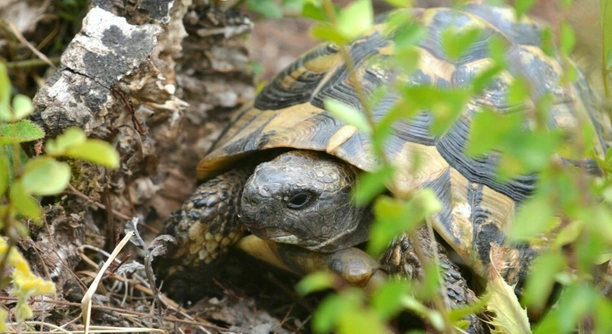
Hermann’s tortoises are popular pets, known for their calm demeanor and unique characteristics. However, they can face challenges that impact their movement, especially when it comes to climbing. Understanding the causes behind this issue is key.
The main reason your Hermann’s tortoise may struggle to climb is due to improper habitat conditions, poor nutrition, or an underlying health issue. Factors like temperature, humidity, and terrain all play a crucial role in your tortoise’s mobility.
Addressing these concerns will help improve your tortoise’s ability to climb and enhance its overall well-being.
Improper Habitat Conditions
If your Hermann’s tortoise is struggling to climb, the first place to check is its habitat. Tortoises need specific conditions to thrive, including a proper temperature gradient, humidity levels, and a suitable substrate. If the environment is too dry or too cold, it can hinder movement and overall health. Temperature extremes can cause lethargy, making it difficult for your tortoise to climb. Additionally, the substrate should not be too slippery or too soft, as this can create instability.
Make sure the enclosure mimics their natural environment as closely as possible. This helps them feel comfortable and encourages them to engage in normal behaviors like climbing.
When setting up the habitat, create areas with different temperatures to allow your tortoise to regulate its body temperature. Also, ensure the humidity is balanced and that the substrate is firm, like a mix of soil and sand. These changes can make a big difference.
Nutritional Deficiencies
A proper diet is just as essential for climbing. A lack of vital nutrients, such as calcium, can impact your tortoise’s mobility. Calcium is crucial for strong bones and shell development, and a deficiency may cause weakness. Be sure to provide a varied diet with leafy greens, grasses, and calcium supplements.
A diet lacking in these nutrients can lead to poor health, making climbing and other activities more difficult for your tortoise.
Inadequate Exercise and Stimulation
If your tortoise isn’t climbing, it may be due to a lack of exercise and mental stimulation. Tortoises need space to move around, explore, and engage in activities that mimic their natural behavior. Without it, they may become less active.
Create a more enriching environment by adding obstacles and varying the terrain. This encourages natural movement and helps your tortoise become more physically active. You can also introduce safe items to climb over, like rocks or logs, to provide both stimulation and exercise.
A well-stimulated tortoise is more likely to be motivated to climb, and offering different textures and structures in their enclosure encourages exploration. This will improve their overall health and mobility. Make sure to provide both horizontal and vertical surfaces for them to climb on.
Health Issues
Underlying health problems might also be the reason your Hermann’s tortoise is struggling. Illnesses such as respiratory infections, shell problems, or arthritis can limit their ability to climb. These issues often require a vet’s intervention to correct.
Regular vet checkups are essential to catch any health issues early. If your tortoise is struggling to climb and also shows signs of lethargy or abnormal behavior, it could be a sign of a health problem. A thorough checkup will ensure that the issue is diagnosed and treated appropriately.
Arthritis can develop in older tortoises, making movement more difficult. If you notice stiffness in your tortoise’s legs, a vet may recommend treatments or physical therapy to help manage this condition. Make sure to keep a close eye on their mobility for any changes.
Improper Shell Care
If your tortoise’s shell is not properly cared for, it can cause issues with climbing. A damaged or unhealthy shell can cause discomfort or even limit mobility. Regular shell maintenance is crucial for your tortoise’s overall health.
Keep an eye on the shell for any signs of damage or infection, like soft spots or discoloration. Regular cleaning and ensuring the tortoise is not exposed to excessive moisture can prevent shell issues.
A healthy shell supports your tortoise’s mobility and overall strength. If the shell appears unhealthy, a vet visit is needed to ensure it’s properly cared for and to rule out any serious concerns.
Stress and Anxiety
Stress can have a significant impact on your tortoise’s ability to move, including climbing. A change in environment, loud noises, or overcrowding can cause stress. When your tortoise is stressed, it may become lethargic.
Ensure your tortoise has a quiet and secure environment where it feels safe. Reducing external stressors helps your tortoise feel more comfortable and less anxious. In turn, this encourages more natural behavior, including climbing.
Create a calm space for your tortoise by minimizing disturbances and providing hiding spots. These simple changes can make a big difference in how your tortoise behaves and moves around.
FAQ
Why is my Hermann’s tortoise not eating?
There are several reasons why your Hermann’s tortoise might not be eating. It could be due to stress, changes in temperature, or an improper diet. Tortoises are sensitive to their environment, so any sudden changes can cause them to lose their appetite. If the temperature in their enclosure is too low, it could make them less active and cause a lack of interest in food. Additionally, if your tortoise is not eating its usual diet, try offering a variety of fresh, high-quality vegetables and grasses to encourage eating.
How do I know if my tortoise is sick?
A tortoise that is sick will usually show signs like lethargy, loss of appetite, or difficulty moving. If your tortoise appears inactive, has difficulty walking or climbing, or is hiding more than usual, it may be ill. Other signs include discharge from the nose or eyes, swelling, or shell abnormalities. If you notice any of these symptoms, it’s important to consult a vet as soon as possible to get a proper diagnosis.
Can my Hermann’s tortoise climb walls or glass?
Hermann’s tortoises are not natural climbers like some other species. They may attempt to climb over low obstacles, but they are not built for climbing walls or glass. If you see your tortoise attempting to climb smooth surfaces like glass, it may be due to stress or an attempt to escape its enclosure. To prevent this, make sure the enclosure is secure and has enough stimulation like rocks, logs, and safe spaces for exploration.
How can I create a better environment for my Hermann’s tortoise?
To improve the environment for your Hermann’s tortoise, ensure that its habitat is large enough and has plenty of variety. Use a combination of dry and moist areas within the enclosure to mimic its natural habitat. Keep the temperature gradient between 75°F and 85°F with a basking spot around 90°F. Proper humidity, around 50-60%, is also necessary. Provide a safe substrate like soil and sand, and avoid slippery surfaces. Additionally, offer natural elements like rocks and logs for climbing and hiding.
How often should I feed my tortoise?
Hermann’s tortoises should be fed every day, with a variety of fresh vegetables, grasses, and some fruit. They are herbivores, so their diet should be plant-based. Offer leafy greens such as dandelion greens, kale, and clover, along with other safe plants. Limit fruit intake as it should only be an occasional treat. A calcium supplement should also be provided regularly to support healthy shell growth. It’s important to monitor how much food your tortoise is consuming, as overfeeding or underfeeding can lead to health problems.
Can I keep multiple Hermann’s tortoises together?
It is possible to keep multiple Hermann’s tortoises together, but it requires careful management. Tortoises are territorial animals, and housing more than one in the same enclosure can lead to fights, especially if they are of different sizes or if there isn’t enough space. If you decide to house more than one tortoise, ensure that there is ample space, separate food and water dishes, and plenty of hiding spots to reduce stress. It’s also important to monitor their behavior and separate them if aggression arises.
What should I do if my tortoise’s shell is soft?
If your Hermann’s tortoise’s shell appears soft or squishy, it could be a sign of a calcium deficiency or metabolic bone disease. This condition is common in reptiles that don’t get enough calcium, UVB light, or have improper diet and habitat conditions. It’s essential to increase calcium intake, either through food or supplements. Also, make sure your tortoise has access to proper UVB lighting to help it metabolize calcium. If the softness persists, a visit to a veterinarian is recommended.
How do I prevent my tortoise from escaping its enclosure?
To prevent your tortoise from escaping, ensure that its enclosure is secure with high walls that are difficult to climb. Tortoises can be surprisingly determined, so it’s important to create an escape-proof environment. Bury the walls of the enclosure several inches into the ground to prevent digging under. Also, check the enclosure regularly for any weak spots, and make sure the lid is tightly secured if using a closed setup. Adding objects like rocks or logs will also help keep your tortoise focused on climbing rather than trying to escape.
Why is my Hermann’s tortoise sleeping so much?
Hermann’s tortoises are known for sleeping a lot, especially during colder months. However, if your tortoise is sleeping excessively, it could indicate a problem. Low temperatures, poor diet, or health issues can cause lethargy. If the temperature in the enclosure is not warm enough or if your tortoise is not getting enough food or proper lighting, it may become too sluggish. Ensure the habitat is properly regulated, and monitor your tortoise’s behavior for signs of illness. If it continues to sleep too much, consult a vet for advice.
What should I do if my tortoise is not moving or seems paralyzed?
If your tortoise is not moving or seems paralyzed, it could be a sign of a serious health issue, such as injury, neurological disorder, or severe infection. First, check its environment for any hazards or causes of stress. A sudden lack of movement might be due to improper habitat conditions, such as low temperature or humidity. If the issue persists, it’s crucial to take your tortoise to a vet for a thorough examination to identify and treat the underlying cause.
Final Thoughts
Caring for a Hermann’s tortoise involves more than just providing food and water. It’s important to create an environment that is safe, comfortable, and supportive of their natural behaviors. Proper lighting, temperature, and humidity are key factors in maintaining a healthy habitat for your tortoise. Ensuring that their enclosure mimics their natural surroundings as closely as possible will allow them to thrive.
If your tortoise is struggling to climb or showing other signs of distress, it could be due to a number of factors, including health issues, environmental problems, or stress. It’s crucial to observe your tortoise’s behavior and take action if needed. Regularly check for signs of illness, shell problems, or injuries, and address any concerns as soon as possible. Stress reduction, proper nutrition, and a well-maintained habitat are all essential for keeping your tortoise healthy and happy.
Remember that Hermann’s tortoises, like all animals, have specific needs that must be met in order to keep them active and comfortable. Monitoring their behavior and making adjustments as needed will help you provide the best care. If problems persist or you’re unsure of the cause, don’t hesitate to consult with a veterinarian who specializes in reptiles. Taking these steps will ensure that your Hermann’s tortoise can live a long, healthy life.

Hello,
If you enjoy the content that we create, please consider saying a "Thank You!" by leaving a tip.
Every little bit helps us continue crafting quality advice that supports the health, happiness, and well-being of pets around the world, for pets of all shapes, sizes, and species.
We really appreciate the kindness and support that you show us!