
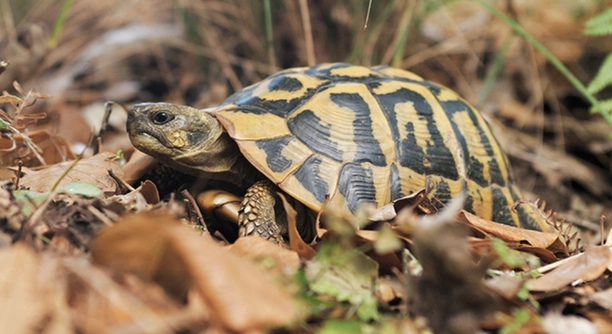
Hermann’s tortoises are generally calm creatures, but if you notice your tortoise being restless at night, it can be a bit concerning. There are several reasons behind this behavior that can be understood with a little observation.
Restlessness in Hermann’s tortoises at night can be caused by a variety of factors, including temperature changes, inadequate habitat conditions, or health-related issues. Tortoises are sensitive to their environment, and discomfort can lead to nighttime restlessness.
Understanding your tortoise’s environment and habits is key to solving the issue. By addressing potential stressors, you can ensure your tortoise’s well-being and peace during the night.
Temperature and Lighting Issues
If your Hermann’s tortoise is restless at night, the temperature in their enclosure might not be right. Tortoises are cold-blooded and depend on their environment to regulate their body temperature. If it’s too cold at night, they will become uncomfortable and may move around more. Your tortoise needs a gradient of temperatures in their habitat, with a warm basking area during the day and a cooler zone at night. The difference between day and night temperatures should be moderate, as drastic shifts can lead to stress.
If the enclosure is too hot or too cold, your tortoise will not be able to sleep properly. Ensure the cooler end of the habitat stays around 70°F (21°C) at night, while the basking area should be around 85°F (29°C). Using a thermostat to control the heat is a simple but effective solution. You may also want to invest in a night-specific light that won’t disrupt their natural sleep cycle.
It’s important to monitor the humidity as well. A dry environment can cause your tortoise to become dehydrated, leading to discomfort at night. Try to maintain humidity levels between 40-60%, adjusting based on the temperature of the room. A humid hide can also provide a safe, comfortable space for them to retreat to when feeling too warm or dry.
Health Concerns
Sometimes, health problems may be causing your tortoise’s restlessness. If the habitat conditions are perfect and the temperature is regulated, then you might want to check on their health. A common issue is parasites or gastrointestinal problems that can cause discomfort.
Look for signs such as lack of appetite, difficulty moving, or abnormal stool. If your tortoise is exhibiting these signs, it’s best to consult a vet who specializes in reptiles. They can identify any issues that might be causing your tortoise discomfort and help treat the problem. Regular vet check-ups are essential for keeping your tortoise healthy and ensuring they get proper care. Even minor health concerns can result in restless behavior, so catching them early will make a difference.
Sometimes, if your tortoise is a bit older, their behavior may change due to age-related issues like arthritis. Keeping their habitat stress-free and offering them the right diet will make their golden years more comfortable.
Environmental Stressors
Your tortoise may become restless if there’s too much noise or activity around their habitat. They are sensitive to sudden changes in their surroundings. Even a new pet or a loud household can disrupt their peace. If you have a busy or noisy household, try to move the enclosure to a quieter area.
The stress from too much disturbance can lead to behavioral changes, including restlessness. Place the habitat somewhere that is not in high-traffic areas, and avoid placing it near windows where the tortoise may be startled by outside movement. A calm, consistent environment will help them feel secure and relaxed.
Tortoises also don’t like to feel cramped. Make sure the enclosure is large enough for them to move around comfortably. If your tortoise feels confined or unable to explore, it may lead to restlessness and increased activity at night. Providing a larger space with hiding spots will make them feel safer and more at ease.
Improper Diet
An improper diet can also cause discomfort and restlessness in your tortoise. Poor nutrition, especially lack of fiber or essential vitamins, can affect their energy levels and overall health. Tortoises require a balanced diet with fresh greens, vegetables, and the occasional fruit.
Without a proper diet, they may feel unsettled and move around more than usual, especially during the night. You should aim for a variety of leafy greens like dandelion greens, collard greens, and kale. Avoid feeding them foods high in sugar or protein, as this can lead to health problems.
Offering a diet with adequate calcium and fiber is also essential. Calcium helps keep their shell and bones strong, preventing discomfort that could lead to restless behavior. Fiber helps with digestion, which can reduce the chances of gastrointestinal issues that could cause your tortoise to move around in distress at night.
Overfeeding or Underfeeding
Overfeeding or underfeeding can lead to restlessness in your Hermann’s tortoise. If you’re giving too much food, they may become uncomfortable or even have trouble digesting it properly. Too little food can leave them hungry, which may make them restless at night.
Pay attention to the amount of food you’re offering. Adult Hermann’s tortoises typically need about 1-2 cups of fresh vegetables daily. Overfeeding can also lead to obesity, which can cause mobility issues, making them feel uncomfortable during rest periods. The right balance in their diet helps them sleep more soundly.
Lack of Mental Stimulation
A lack of mental stimulation can cause restlessness in tortoises. These animals are curious and enjoy exploring their environment. If their enclosure is too barren, they may become bored, leading to increased activity.
You can keep your tortoise engaged by adding a variety of objects to their habitat, such as rocks, tunnels, or plants. This not only keeps them entertained but also helps mimic their natural environment, promoting overall well-being. By offering them opportunities to explore, you help reduce restlessness, making them feel calmer.
Seasonal Changes
Hermann’s tortoises can become more restless during seasonal changes, especially in the colder months. They may sense the temperature drop and try to find a way to regulate their body heat. During winter, tortoises may become less active, while during spring and summer, they may have more energy.
The changes in their behavior are often due to the instinct to prepare for hibernation or adjust to warmer weather. You can make these seasonal transitions easier for your tortoise by providing a consistent temperature in their enclosure and adjusting their lighting schedule accordingly.
FAQ
Why does my Hermann’s tortoise pace at night?
Pacing is often a sign of discomfort or frustration. If your tortoise is pacing, it could be due to a temperature issue, insufficient space, or an uncomfortable habitat. Tortoises need a temperature gradient to feel secure. Make sure the environment is neither too hot nor too cold, and ensure the space is large enough for them to move freely. Pacing may also be a sign of boredom, so adding more hiding spots or structures to explore can help.
Can my Hermann’s tortoise be too cold at night?
Yes, Hermann’s tortoises are sensitive to temperature drops. If the enclosure cools down too much during the night, they may become restless and seek warmth. Tortoises require a temperature range of about 70°F (21°C) at the cooler end and 85°F (29°C) under the basking light during the day. At night, make sure the temperature doesn’t dip below 65°F (18°C). Use a night heat lamp or ceramic heater to maintain a consistent temperature.
Is it normal for my tortoise to be active at night?
Tortoises are generally diurnal, meaning they are active during the day. However, some restlessness or increased activity at night can happen due to environmental factors such as incorrect temperature or lighting. Make sure your tortoise’s habitat is set up to mimic its natural conditions. Ensure the daytime temperature is warm enough and there’s a cooling period at night to help them sleep.
Should I be worried if my tortoise is moving around at night?
If your tortoise is moving around at night, it’s not always a cause for alarm, but it’s worth investigating. It could be due to the temperature, boredom, or an unsatisfactory habitat. If they are actively seeking out food or water, check if their diet and hydration are sufficient. If it seems more like restless wandering, consider adjusting the environmental conditions to ensure they are comfortable and relaxed at night.
How can I prevent my tortoise from being restless at night?
Start by ensuring their habitat is comfortable. A warm basking area, cooler hiding spots, and a clean, spacious environment can help. Adding enrichment, such as climbing rocks, tunnels, and plants, will keep your tortoise mentally stimulated. Check the humidity levels and make sure the diet is balanced. Reducing disturbances around the enclosure can also contribute to a more peaceful night’s sleep.
Can my Hermann’s tortoise get too hot at night?
Yes, overheating is as problematic as being too cold. Hermann’s tortoises can become stressed if their habitat stays too warm at night. Temperatures that stay consistently above 85°F (29°C) at night can cause them to feel uncomfortable. Make sure the temperature drop at night is gradual, and do not let the enclosure stay too warm. Using a thermostat to control the heat and providing a cooler area for them to retreat to is important.
What are the signs my tortoise is stressed at night?
Stress in a tortoise can show up in various ways, such as excessive movement, pacing, digging, or hiding more than usual. Changes in eating habits, like a loss of appetite or a reluctance to eat, can also be signs. Additionally, if your tortoise is acting overly aggressive or lethargic, it may indicate stress. Check their environment and look for potential causes like noise, temperature issues, or health problems.
Why is my tortoise breathing heavily at night?
Heavy breathing could be a sign of respiratory issues, especially if it’s accompanied by other symptoms such as nasal discharge or lethargy. Respiratory problems in tortoises can arise from improper temperature or humidity levels, or they could be a sign of infection. If your tortoise is breathing heavily consistently, it’s best to consult a vet to rule out any health issues.
Can I use a heat lamp at night for my tortoise?
Heat lamps can be used at night if your tortoise’s habitat gets too cold. However, it’s important to use a night heat lamp, which emits heat without disrupting their sleep cycle. Regular daytime heat lamps can be too bright and disturb their natural circadian rhythms. Ceramic heat emitters are a good option as they provide warmth without light.
How do I know if my tortoise is hibernating or just resting at night?
Hibernation typically occurs in cooler months, and it’s different from regular nighttime rest. A hibernating tortoise will become very sluggish, may not eat, and might burrow in the substrate or hide away for extended periods. If your tortoise is resting but still eating and drinking, it’s just a normal sleep cycle. Hibernation should be monitored closely to ensure the tortoise isn’t underweight or sick, as premature or unhealthy hibernation can be dangerous.
Should I adjust my tortoise’s diet if they are restless at night?
Yes, diet can affect your tortoise’s behavior. A diet high in protein or rich in sugary fruits can make your tortoise more energetic and possibly restless. Stick to a primarily leafy green-based diet, with occasional vegetables and small amounts of fruits. Avoid offering food that is too rich, as it may contribute to excess energy at night.
What kind of bedding is best for a tortoise at night?
The bedding you use can affect your tortoise’s comfort at night. Substrate options like coconut coir, hay, or organic soil provide a natural feel and are easy to clean. Make sure the bedding is not too soft or too hard, as either can cause discomfort. Ensure the bedding retains moisture to help maintain proper humidity levels.
Is it necessary to provide a hiding spot for my tortoise?
Yes, providing a hiding spot or shelter is essential for your tortoise’s well-being. Tortoises feel safer when they have a place to retreat to, especially at night. A simple hide made from rocks, logs, or plastic shelters can give them a sense of security. It also helps regulate their temperature, as they can retreat to a cooler or warmer spot depending on their needs.
Final Thoughts
Understanding why your Hermann’s tortoise is restless at night is important for providing the best care. Restlessness can stem from several factors, such as temperature issues, habitat stress, or even diet. By paying attention to their environment and making sure it’s comfortable, you can help your tortoise feel secure and relaxed. Regularly checking their enclosure, ensuring proper lighting, and keeping the temperature range appropriate are small adjustments that can lead to big changes in their behavior.
It’s also essential to keep an eye on your tortoise’s health. Health problems can sometimes cause them to be restless at night. If you notice any signs of illness, such as labored breathing, lack of appetite, or abnormal movement, it’s important to consult a vet who specializes in reptiles. Identifying any health concerns early on will help you address them before they become bigger problems. Your tortoise’s well-being should always come first, and making sure they are healthy is the foundation for a peaceful and comfortable night’s rest.
Lastly, providing your Hermann’s tortoise with an enriching environment can go a long way in reducing restlessness. Tortoises are curious creatures that enjoy exploring their space. Adding elements like hiding spots, rocks, and plants not only enhances their living conditions but also stimulates their mind. When your tortoise is mentally engaged, they are more likely to feel content and less likely to exhibit signs of stress or restlessness. Taking a little extra time to improve their environment will make a noticeable difference in their behavior.

Hello,
If you enjoy the content that we create, please consider saying a "Thank You!" by leaving a tip.
Every little bit helps us continue crafting quality advice that supports the health, happiness, and well-being of pets around the world, for pets of all shapes, sizes, and species.
We really appreciate the kindness and support that you show us!