
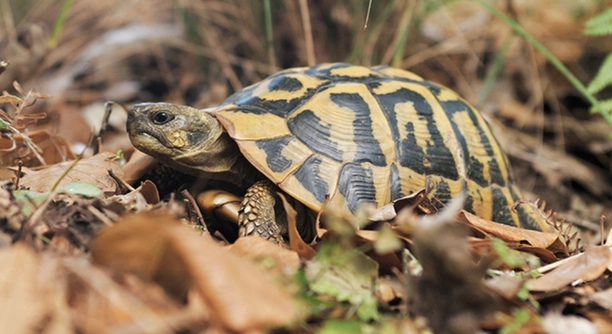
Hermann’s tortoises are curious creatures, and their behavior can sometimes be puzzling. When they start ramming into objects, it may raise concerns about their well-being. Understanding the reasons behind this behavior can provide valuable insights.
The primary cause of a Hermann’s tortoise ramming into objects is territorial behavior, commonly observed in males during mating seasons. This can also be a sign of stress or frustration due to environmental factors or improper living conditions.
Addressing these issues will help ensure your tortoise’s comfort and well-being. Understanding their behavior is essential for providing the right environment and care.
Why Is My Hermann’s Tortoise Ramming Into Objects?
When a Hermann’s tortoise starts ramming into objects, it’s important to consider its natural instincts. Male tortoises, especially during mating seasons, often display aggressive behavior to establish dominance. This can result in head-butting or ramming objects. If your tortoise is encountering barriers or structures in its enclosure, it could be trying to establish its territory. Environmental stressors, such as an inadequate habitat or lack of stimulation, can also trigger this behavior. A lack of hiding spots, too much noise, or improper temperature and lighting can contribute to your tortoise feeling unsettled, which may lead to this behavior. It’s essential to observe the surrounding conditions to identify potential stress factors.
While mating behaviors can cause head-butting in male tortoises, environmental stress is often an underlying factor. Factors like temperature, humidity, or lack of space can make the tortoise feel confined or threatened, prompting it to act out.
To prevent this behavior, ensure the enclosure is spacious and filled with enrichment. Providing hiding spots and objects to climb on can help reduce stress. Also, make sure the habitat’s temperature and humidity levels are appropriate.
Environmental Stress and Overcrowding
If your Hermann’s tortoise is confined in a small or overcrowded space, it may exhibit ramming behavior due to stress. Limited room to move can make the tortoise feel trapped or threatened.
An overcrowded enclosure makes it difficult for the tortoise to establish a safe space, which is essential for its well-being. Ensure that each tortoise has enough room to roam freely, especially if you house more than one. When multiple tortoises are kept together, aggressive behavior can result from competition for territory and resources. This can further increase stress levels, causing the tortoise to act out.
Proper enclosure size is crucial in preventing ramming behavior. For a single Hermann’s tortoise, provide at least a 4×8 feet enclosure. For multiple tortoises, increase the space accordingly. The more room available, the less likely your tortoise will feel stressed and territorial.
Mating Season Behavior
Male Hermann’s tortoises are particularly prone to ramming behavior during mating season. This is a natural display of dominance.
When males become sexually mature, they often exhibit aggressive behavior to establish their position and attract females. During this time, they may repeatedly ram objects, walls, or other tortoises. This behavior, though natural, can be alarming if you’re not familiar with it. If this happens, it’s important to recognize that it’s not an indication of distress but rather a mating instinct.
To minimize the impact of this behavior, ensure the tortoise has a large enough space to express itself naturally. If keeping multiple males, consider separating them to reduce aggression and prevent physical harm.
Lack of Stimulation
Tortoises need mental and physical stimulation to stay healthy. Without enough interaction or enrichment, they may start displaying unwanted behaviors like ramming into objects.
Providing a variety of objects for climbing, digging, and exploring can help keep your tortoise engaged. Enrichment can reduce boredom and stress, preventing the ramming behavior.
Temperature and Lighting Issues
Incorrect temperature and lighting can cause stress, making your Hermann’s tortoise more likely to ram into objects. Improper heating or lighting can cause discomfort, which leads to aggressive behavior.
Make sure your tortoise’s habitat is properly lit with UVB lights and that the temperature gradient is appropriate. A basking area should be between 85-90°F, with a cooler zone around 70°F.
FAQ
Why is my Hermann’s tortoise suddenly ramming into things?
Ramming into objects can be a sign of stress or territorial behavior, especially during mating season for males. If there are no other males around, the behavior might still be linked to environmental stressors, such as lack of space, inadequate heating, or insufficient enrichment. It’s essential to examine the overall conditions of the tortoise’s habitat and make adjustments if necessary.
How can I reduce ramming behavior in my Hermann’s tortoise?
To reduce ramming, make sure your tortoise has a spacious and stimulating environment. Enrichment such as logs, rocks, and hiding spots can help reduce stress. Additionally, adjusting the temperature, ensuring appropriate lighting, and separating multiple tortoises (if applicable) can minimize this behavior.
Can ramming be a sign of illness or injury?
Though ramming is often linked to behavioral causes, it’s possible that the tortoise is in discomfort due to an injury or health issue. If the behavior is accompanied by signs of lethargy, loss of appetite, or changes in mobility, it’s important to consult a vet. A physical exam can rule out underlying health problems.
Is this behavior more common in male Hermann’s tortoises?
Yes, male Hermann’s tortoises are more likely to engage in ramming behavior, particularly during mating seasons. They may ram objects or even other tortoises to establish dominance or attract a mate. Female tortoises typically don’t exhibit this behavior as frequently.
How much space should my Hermann’s tortoise have?
A single Hermann’s tortoise should have at least a 4×8 feet enclosure, though larger is always better. If you have more than one tortoise, increase the size of the habitat accordingly to ensure each animal has enough space to establish its own territory and avoid overcrowding.
What kind of enrichment does a Hermann’s tortoise need?
Tortoises benefit from a variety of enrichment activities, such as climbing structures, tunnels, and objects to explore. Providing a range of textures and materials, including rocks, logs, and plants, can help mimic their natural environment. Additionally, offering foods that require some effort to access can also serve as enrichment.
How do I know if my tortoise is stressed?
Signs of stress in a tortoise can include repetitive behaviors like ramming, hiding, loss of appetite, or excessive pacing. Stress can result from improper temperature, lighting, overcrowding, or lack of mental stimulation. If you observe these signs, it’s crucial to address the environmental factors first.
Can I keep multiple Hermann’s tortoises together?
Yes, but care must be taken to avoid overcrowding. Male Hermann’s tortoises can become aggressive toward one another, especially during mating season. If you have more than one tortoise, make sure the enclosure is large enough to accommodate each animal comfortably and consider separating males to avoid fights.
Do Hermann’s tortoises need a UVB light?
Yes, Hermann’s tortoises require UVB lighting to help them synthesize vitamin D3, which is essential for calcium absorption and overall health. Without proper UVB lighting, they may develop metabolic bone disease and other health issues. Make sure to provide a UVB bulb for 10-12 hours a day.
How do I make sure my Hermann’s tortoise is healthy?
Maintaining the right environmental conditions, including proper temperature, lighting, and humidity, is crucial. A healthy diet that includes a variety of leafy greens and grasses is also important. Regular vet check-ups are recommended to monitor for any health concerns that may not be immediately obvious.
What’s the best way to handle my tortoise during stressful moments?
During stressful moments, it’s best to minimize handling and allow your tortoise to feel safe. If the tortoise is ramming or showing signs of distress, avoid forcing interaction. Instead, focus on adjusting its environment to address the source of the stress. Gentle, calm handling can help when necessary, but always respect the animal’s space.
Final Thoughts
Understanding the reasons behind your Hermann’s tortoise’s ramming behavior is essential in addressing the issue effectively. Ramming can be a natural behavior tied to mating or territorial instincts, but it can also stem from stress or environmental factors. In most cases, providing a larger space, reducing overcrowding, and ensuring proper heating and lighting can significantly help reduce such behaviors. By offering enrichment and a stimulating environment, you can also minimize boredom, which can sometimes lead to unwanted actions like ramming. The key to preventing and managing this behavior lies in understanding your tortoise’s needs and responding appropriately.
It’s also important to be patient and observe your tortoise’s actions over time. Some behaviors, such as ramming, are temporary and may subside once your tortoise adjusts to its environment. If you’re dealing with a male tortoise, especially during mating season, it’s crucial to understand that this behavior might be tied to his natural instincts. It’s not always a sign of distress but more of a way to establish dominance or attract a mate. Even so, the right conditions can help to manage these behaviors in a way that minimizes stress for the tortoise.
In any case, if ramming becomes excessive or is accompanied by other signs of illness or injury, it’s important to consult a vet. Health issues may sometimes be the underlying cause of stress-induced behaviors, and a professional can help determine if there’s a medical problem. Ensuring that your Hermann’s tortoise is in the best possible living conditions, both physically and mentally, will lead to a healthier and happier pet. Keep in mind that every tortoise is unique, and understanding their specific needs will help you create a supportive environment that promotes well-being.

Hello,
If you enjoy the content that we create, please consider saying a "Thank You!" by leaving a tip.
Every little bit helps us continue crafting quality advice that supports the health, happiness, and well-being of pets around the world, for pets of all shapes, sizes, and species.
We really appreciate the kindness and support that you show us!