
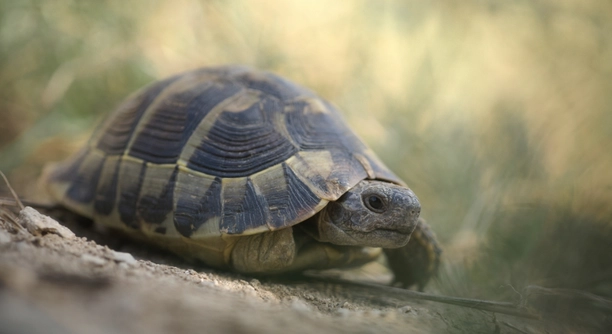
Hermann’s tortoises are gentle and friendly pets. If you’ve noticed your tortoise is not responding to touch, you may wonder why. There can be several reasons behind this behavior that can be easily addressed with the right care.
The lack of response to touch from your Hermann’s tortoise can often be attributed to environmental factors such as temperature, stress, or health issues. Tortoises are sensitive to changes in their surroundings, and discomfort may cause them to withdraw.
There are steps you can take to improve your tortoise’s behavior and make sure it’s happy and healthy. Keep reading to learn how to address the root causes of your tortoise’s behavior.
Environmental Factors and Temperature
Hermann’s tortoises are very sensitive to changes in their environment. One of the most common reasons they may not respond to touch is if the temperature in their habitat is not ideal. Tortoises are cold-blooded, meaning they rely on external warmth to regulate their body temperature. If their living area is too cold, they may become lethargic and unresponsive. Inadequate heat can lead to a decline in activity, affecting their general behavior, including how they react to touch.
If your tortoise is not moving or interacting as usual, check the temperature of their enclosure. You should have a heat source, such as a basking lamp or heat mat, to ensure they can warm up properly.
A reliable thermometer placed in the enclosure can help monitor and maintain a consistent temperature. The basking area should be around 90-95°F, while the cooler part of the enclosure should range from 70-75°F. Providing a proper gradient of temperatures will help your tortoise feel comfortable and active.
Stress and Anxiety
Sometimes, stress can cause a tortoise to withdraw and not respond to touch.
Factors such as a change in routine, sudden loud noises, or even the presence of other pets can make them feel anxious. Additionally, moving them to a new environment can result in stress, which may cause them to become more defensive or inactive. Make sure your tortoise’s home is quiet and stable.
Health Issues
Health problems can cause your tortoise to become unresponsive. Parasites, infections, or respiratory issues can leave them feeling weak or sick, leading to a lack of reaction to touch. If your tortoise is consistently unresponsive and shows other signs like swollen eyes, labored breathing, or a lack of appetite, it’s important to consult a vet.
Sometimes, a vitamin or calcium deficiency can also cause lethargy. Tortoises need a proper diet with enough calcium and vitamins to keep their bones and immune system strong. A deficiency can make them sluggish and less likely to react to touch.
Monitoring your tortoise’s behavior for any signs of illness, such as not eating or moving, will help identify if health problems are at play. Early intervention can prevent further health issues and ensure your tortoise is well cared for.
Lack of Proper Stimulation
Tortoises need mental and physical stimulation to stay active and responsive. Without enough enrichment, they can become bored and indifferent to their surroundings. If they don’t have objects to climb, hide under, or explore, they may not respond to touch the way they would in a more stimulating environment.
You can improve their well-being by adding variety to their enclosure. Provide hiding spots, different textures to explore, or even safe plants they can nibble on. Regularly change things around to keep them engaged. Tortoises also enjoy sunbathing, so if possible, allow them some outdoor time where they can move freely.
Without these stimuli, tortoises can become disinterested and less likely to react to touch.
Overhandling
Excessive handling can cause stress, leading your tortoise to withdraw and not respond to touch. While it’s important to bond with your tortoise, too much interaction can overwhelm them. Giving them space to feel safe is key to a healthy relationship.
Try to limit handling, especially if your tortoise is already stressed or showing signs of discomfort. Let them explore their environment at their own pace without forcing physical contact. Over time, they will become more comfortable and responsive.
Age and Maturity
Young tortoises might not respond to touch the same way older ones do. They are still adjusting to their surroundings and may feel more vulnerable. As they mature, they will likely become more active and tolerant of interaction.
If your tortoise is young, give it time to adapt.
FAQ
Why is my Hermann’s tortoise not moving?
A tortoise that isn’t moving could be experiencing several issues. If the temperature in their environment is too low, they may become lethargic. Tortoises are cold-blooded, so a cool habitat makes them less active. Also, stress from changes in their environment or routine can make them inactive. Health problems like respiratory infections, dehydration, or deficiencies in their diet can also lead to a lack of movement. If you notice other concerning signs, like a lack of appetite or abnormal breathing, it’s important to consult a veterinarian.
How can I tell if my tortoise is sick?
Sick tortoises often display changes in their behavior. If your tortoise is not eating, drinking, or moving much, it could be a sign of illness. Other symptoms include swollen eyes, a runny nose, or labored breathing. You may also notice a change in their shell, such as soft spots or discoloration. Tortoises are skilled at hiding their illness, so it’s important to monitor them closely for any unusual behaviors. If you suspect your tortoise is sick, it’s best to take them to a vet for an examination.
Can temperature affect my tortoise’s behavior?
Yes, temperature plays a crucial role in a tortoise’s behavior. They need a temperature gradient in their enclosure, with a warm basking area and a cooler area for resting. If the enclosure is too cold, your tortoise may become sluggish and unresponsive. On the other hand, if it’s too hot, they may become stressed. The ideal temperature for a Hermann’s tortoise is around 90-95°F for the basking area and 70-75°F for the cooler side. Ensuring the right temperature will help keep your tortoise active and healthy.
How often should I handle my Hermann’s tortoise?
Handling should be kept to a minimum to avoid stressing your tortoise. While it’s important to interact with your pet, excessive handling can cause anxiety, especially if the tortoise isn’t used to it. Handling a few times a week is usually sufficient, but it depends on the individual tortoise. Start slowly, and allow your tortoise to come to you on their own terms. Always provide a calm and safe environment when interacting with them to avoid overwhelming them.
What can I do to encourage my tortoise to eat more?
If your tortoise isn’t eating, check the temperature of their environment first. An environment that’s too cold can make them lose their appetite. Offer fresh, varied foods like leafy greens, dandelions, and safe vegetables. Avoid overfeeding high-protein foods, as Hermann’s tortoises are herbivores. If your tortoise continues to refuse food, consider consulting a vet to rule out any health problems. Some tortoises may also go through periods where they eat less, especially if they’re in a brumation phase.
How do I know if my tortoise is stressed?
Stress can manifest in several ways. If your tortoise is not responding to touch, hiding more than usual, or acting aggressively, it could be stressed. Environmental changes like loud noises, new pets, or being moved to a different area can contribute to stress. A lack of stimulation, too much handling, or improper temperature could also be causing your tortoise discomfort. Observe their behavior carefully, and if stress seems to be the issue, try to create a calm and predictable environment for them.
Is it normal for my tortoise to sleep a lot?
Tortoises do sleep a lot, especially during cooler months. However, if your tortoise is sleeping excessively, it could indicate an underlying issue. They may be hibernating or entering a brumation phase, which is common in colder weather. During brumation, a tortoise’s metabolism slows down, and they become less active. If your tortoise is sleeping excessively in warm weather, it might be a sign of illness, and you should consult a vet.
Can I keep more than one tortoise together?
Hermann’s tortoises are territorial animals, and it’s generally not recommended to keep more than one in the same enclosure unless you have a very large space. If you do house more than one, be prepared for possible aggression, especially if they are of the same sex. Males, in particular, may fight over territory. If you choose to house multiple tortoises, ensure they have enough space and separate areas to minimize conflict. It’s essential to monitor them closely to avoid stress or injury.
What should I do if my tortoise is not responding to touch?
If your tortoise is not responding to touch, first check the environment. Ensure the temperature is appropriate and there is no sign of stress or illness. Sometimes, they may simply be tired or feeling insecure. Give them some time to adjust and offer a more enriching environment. If the behavior continues, consult a vet to rule out any health issues.
Final Thoughts
Understanding why your Hermann’s tortoise is not responding to touch can be a bit tricky, but by paying attention to their environment, health, and behavior, you can usually pinpoint the cause. Temperature plays a major role in their activity levels. If their habitat is too cold, they might become sluggish or unresponsive. Making sure their enclosure has the right heat gradient will help your tortoise stay active and comfortable. Additionally, stress and anxiety can also cause them to withdraw, so it’s important to create a calm and stable environment for them. Too much handling or sudden changes in their routine can stress them out, so always approach them gently and give them time to adjust.
Health is another crucial factor. A sick tortoise is unlikely to react to touch the way it normally would. If you notice other signs of illness, such as a lack of appetite, labored breathing, or an unusual posture, it’s important to get your tortoise checked by a vet. Regular check-ups and ensuring they get the proper nutrition, like a balanced diet with enough calcium and vitamins, can help prevent many health issues. A healthy tortoise is more likely to engage with its surroundings and respond to interaction in a positive way.
Lastly, remember that tortoises have their own pace. Some may naturally be more reserved than others, and young tortoises, in particular, may take time to feel comfortable with touch. Patience is key. By creating a well-balanced environment and giving your tortoise the space and care it needs, you’ll likely see improvements in their behavior. Taking these steps will help ensure that your Hermann’s tortoise remains healthy, happy, and responsive over time.

Hello,
If you enjoy the content that we create, please consider saying a "Thank You!" by leaving a tip.
Every little bit helps us continue crafting quality advice that supports the health, happiness, and well-being of pets around the world, for pets of all shapes, sizes, and species.
We really appreciate the kindness and support that you show us!