
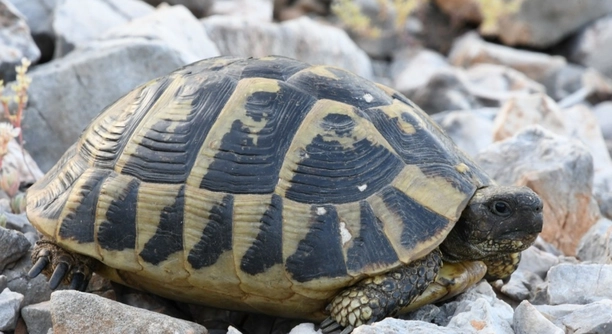
Sometimes, your Hermann’s tortoise might move its legs in a way that seems strange or unusual. It’s important to understand what could be causing this behavior. Tortoises, like all animals, have specific ways they move, and sometimes changes in their movement patterns can signal something worth investigating.
The most common reason for a Hermann’s tortoise moving its legs strangely is a physical issue, such as injury, discomfort, or a neurological condition. These issues can affect its motor functions, causing unusual movements that may seem abnormal at first.
By understanding the causes behind your tortoise’s unusual movement, you can take steps to address the issue. This article will cover the potential reasons and help you keep your tortoise healthy and comfortable.
Possible Causes of Strange Leg Movement in Hermann’s Tortoises
There are a few common reasons your Hermann’s tortoise might be moving its legs oddly. One possible cause is an injury, either from a fall or a rough handling session. This can lead to difficulty moving or abnormal leg positioning. Another reason could be an infection or illness that affects its muscles or joints, making it hard for your tortoise to move normally. A less common cause could be a neurological problem, such as a disorder affecting the nervous system, which may lead to jerky or uncoordinated movements. It’s important to observe other behaviors to determine if any signs of injury or illness are present.
Tortoises are usually quite resilient, but when there is something wrong, it’s important to act quickly. If your tortoise isn’t moving its legs normally, the situation may require professional care to determine the exact cause.
Understanding these potential issues early can help prevent further complications. If your Hermann’s tortoise is in pain or experiencing difficulty, an appointment with a reptile vet may be necessary to avoid long-term health concerns. Regular monitoring of your tortoise’s movement can be a key factor in keeping them comfortable.
How to Help Your Hermann’s Tortoise
If you notice strange leg movements in your tortoise, it’s crucial to assess its environment. Make sure it is in a safe, comfortable habitat where it cannot injure itself further. Check for any signs of injury, such as swelling, redness, or open wounds. Keeping your tortoise’s enclosure clean and free from sharp objects can prevent unnecessary accidents.
If there are no clear signs of injury, the next step is to observe its behavior. Is your tortoise still eating and drinking regularly? Has its appetite decreased? These can be indicators of a more serious issue, such as an infection or illness. Monitoring your pet’s daily routine will give you a better idea of what’s going on. You may also want to check its diet to ensure it’s receiving the right nutrition, as vitamin and mineral imbalances can contribute to leg movement problems.
Injury or Trauma to the Legs
If your tortoise has suffered an injury, its legs may move in strange ways. A fall, rough handling, or being knocked over can cause muscle or bone damage. Look for signs of swelling, bruising, or limping. These are indicators that the leg might be injured, and your tortoise may be trying to avoid putting weight on it.
If an injury is suspected, limit your tortoise’s movement to prevent further damage. Create a comfortable resting area where it can recover. A veterinarian experienced with reptiles should be consulted to assess the injury. They can determine whether there are fractures or soft tissue injuries requiring treatment.
In some cases, a simple injury can be treated with rest and proper care, but more serious damage may require medication or even surgery. If you notice that your tortoise’s leg remains stiff or swollen after a few days, it’s important to get a professional evaluation to prevent long-term complications. Healing takes time, so be patient and observe your tortoise closely.
Neurological Issues
Sometimes, strange leg movements in tortoises are caused by neurological problems. These can stem from a variety of factors, such as infections or vitamin deficiencies. When a tortoise’s nervous system is affected, it may struggle with coordination, causing unusual movements. Watch for signs like unsteady walking or legs that seem to twitch or move involuntarily.
A neurological issue may require medical intervention to determine the root cause. Common causes include bacterial or fungal infections that affect the brain or spine, as well as vitamin deficiencies, especially calcium or vitamin D3. If your tortoise’s movements seem abnormal, it’s crucial to address it as early as possible. A reptile vet can perform tests and possibly recommend treatments such as antibiotics or vitamin supplementation.
Neurological conditions can worsen quickly, leading to permanent damage if not treated. Providing proper care in terms of diet, habitat, and veterinary attention is key. An experienced reptile vet can give your tortoise the best chance of recovery by addressing the issue early.
Vitamin and Mineral Deficiencies
A lack of essential nutrients can lead to strange leg movements in your tortoise. Specifically, deficiencies in calcium, vitamin D3, or other important minerals can cause muscle weakness and poor coordination. You may notice your tortoise struggling to walk or using its legs in an awkward manner.
Ensuring that your tortoise receives a balanced diet with the right supplements is vital. A lack of calcium can lead to metabolic bone disease, which can affect mobility. Vitamin D3 helps with calcium absorption, and both are critical for healthy muscle and bone function.
If you suspect a deficiency, consult with a vet who can recommend the right supplements or adjustments to its diet. The correct lighting, especially UVB light, is also important to help with vitamin D3 synthesis. Your tortoise will be healthier and more active once these deficiencies are addressed.
Infections or Illness
Infections, particularly those affecting the joints or muscles, can make your tortoise move its legs strangely. These infections may stem from bacteria or fungi, often entering through small wounds or weakened areas of the body. Look for swelling, redness, or discharge as signs of infection.
Infections should not be ignored, as they can spread and cause more damage if left untreated. Your tortoise will need a proper diagnosis and possibly antibiotics or antifungal treatments to help it recover. A reptile vet will be able to confirm if an infection is the cause and recommend the best course of action.
Environmental Factors
Your tortoise’s environment can also impact how it moves. If the habitat is too cold or damp, it can make your tortoise stiff or sluggish. Cold temperatures can lead to reduced mobility, as tortoises rely on warmth to regulate their movements.
FAQ
What should I do if my tortoise’s legs are moving strangely?
If you notice your tortoise moving its legs strangely, the first step is to observe its behavior closely. Check for signs of injury, such as swelling, cuts, or redness. If there are no visible injuries, monitor its activity level and whether it is eating and drinking. If strange movements persist for more than a day or two, consider taking your tortoise to a vet experienced in reptiles. A proper diagnosis is crucial for effective treatment.
How do I know if my tortoise is injured?
You can tell if your tortoise is injured by looking for signs such as limping, swelling around the legs, or abnormal postures. If your tortoise is avoiding using one leg or is excessively resting, it may be in pain. In some cases, injuries can be subtle, so it’s best to get a professional evaluation if anything seems off. Injuries often require rest and possibly medication to heal, and it’s essential to limit its movement during recovery.
Can a lack of calcium cause strange leg movements in my tortoise?
Yes, a lack of calcium can lead to metabolic bone disease, which directly affects your tortoise’s ability to move normally. Without adequate calcium, the muscles and bones may weaken, resulting in stiff or strange movements. This condition often worsens over time, leading to difficulty in walking or using the legs. Ensuring your tortoise gets enough calcium, along with UVB light for proper vitamin D3 synthesis, is key to preventing this issue.
How can I prevent my tortoise from developing leg problems?
To prevent leg issues, make sure your tortoise has a proper diet rich in calcium and other essential vitamins and minerals. Providing adequate lighting, including UVB light, is crucial for bone health. Additionally, ensure that your tortoise has a safe environment with appropriate temperatures for optimal movement and activity. Regular health checkups from a vet will also help catch potential problems early.
Should I take my tortoise to the vet if it’s moving strangely?
Yes, if your tortoise continues to move strangely and you’re unable to identify a clear cause, it’s important to consult a vet. A professional will be able to examine your tortoise’s legs, check for signs of injury or infection, and perform any necessary tests to determine the cause. A vet will also be able to recommend a treatment plan to help your tortoise recover and prevent further issues.
Can strange leg movement be caused by an infection?
Infections can indeed affect your tortoise’s ability to move normally. Infections, especially those affecting the joints, muscles, or spine, can lead to swelling, pain, and reduced mobility. If your tortoise shows signs of redness, discharge, or swelling around its limbs, an infection may be present. A vet will need to treat the infection with antibiotics or antifungal medications depending on the cause.
What are the signs of neurological problems in tortoises?
Neurological issues in tortoises can present as uncoordinated movement, twitching, or difficulty walking. You may notice your tortoise’s legs moving in jerky motions or a lack of control over its limbs. Other signs could include tilting of the head, difficulty eating, or an overall decrease in activity. If you suspect a neurological issue, a vet should evaluate your tortoise to identify the cause and recommend treatment.
How can I ensure my tortoise is getting enough UVB light?
UVB light is essential for your tortoise’s overall health, particularly for calcium absorption. To ensure your tortoise gets enough UVB exposure, use a UVB light that is specifically designed for reptiles. Place the light source about 12 inches above your tortoise’s basking spot, and make sure it’s on for 10 to 12 hours a day. Change the bulb every 6 months, as the UVB output decreases over time, even if the light still works.
How long does it take for a tortoise to recover from an injury?
The recovery time for a tortoise depends on the severity of the injury. Minor injuries may heal within a week or two, while more serious wounds or fractures can take longer, possibly several weeks to months. During this period, it’s important to restrict movement, ensure your tortoise is comfortable, and monitor its progress. If the injury doesn’t seem to improve or gets worse, consult a vet.
Is my tortoise’s strange leg movement a sign of old age?
As tortoises age, they may develop joint stiffness or reduced mobility, which can cause strange leg movements. This is often due to wear and tear on the joints or bones over time. However, while this is normal, it’s still important to rule out other causes such as injury, infection, or deficiency. If you suspect your tortoise’s movement is due to aging, a vet can provide guidance on how to manage its health in later years.
Final Thoughts
It’s normal to be concerned if your Hermann’s tortoise starts moving its legs strangely. Tortoises rely on their legs for mobility and comfort, so any changes in their movement can signal an underlying issue. Whether the cause is an injury, neurological problem, or something as simple as a vitamin deficiency, it’s important to identify the root cause early. By observing your tortoise closely and making note of any unusual behaviors, you can help ensure your pet gets the proper care it needs.
If you notice any signs of abnormal movement, such as limping, uncoordinated walking, or twitching, it’s important to consider possible causes like injury, infection, or nutritional imbalance. Checking your tortoise’s living conditions, diet, and general well-being is a good starting point. A proper diet rich in calcium and essential vitamins, along with appropriate lighting and temperature, plays a key role in preventing health issues. If you suspect something more serious, seeking the guidance of a reptile vet can help rule out or treat potential concerns.
Ultimately, your Hermann’s tortoise’s leg movements can tell you a lot about its health. Staying proactive and monitoring for any changes will not only help your tortoise recover if it’s dealing with an issue but also prevent future problems. By understanding the common causes behind strange leg movements and taking the necessary steps, you’ll be in a better position to keep your tortoise happy and healthy.

Hello,
If you enjoy the content that we create, please consider saying a "Thank You!" by leaving a tip.
Every little bit helps us continue crafting quality advice that supports the health, happiness, and well-being of pets around the world, for pets of all shapes, sizes, and species.
We really appreciate the kindness and support that you show us!