
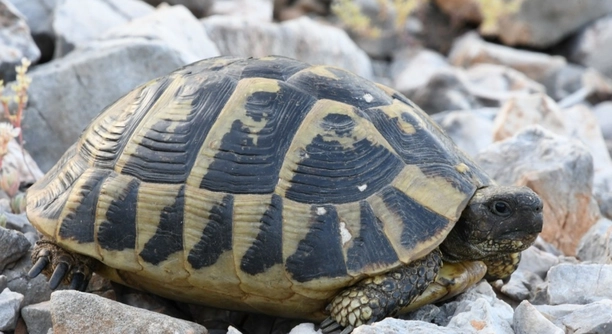
Hermann’s tortoises are known for their curious behavior, and you may notice them chewing on their hideout. This behavior can seem puzzling, but there are simple explanations that can help you understand why they engage in this activity.
Tortoises chewing on their hideouts often do so because they are either bored, stressed, or experiencing discomfort from their environment. They might also be trying to wear down their beak or teeth. Providing enrichment and proper care can help resolve this.
Learning why your tortoise chews on its hideout will help you improve its environment. By offering the right care and attention, you can reduce this behavior and ensure your tortoise is happy and healthy.
Why Tortoises Chew on Their Hideout
When a Hermann’s tortoise chews on its hideout, it’s often a sign that something isn’t quite right in their environment. Tortoises are naturally curious creatures and may chew on objects for various reasons, including boredom, stress, or simply exploring their surroundings. If your tortoise is in a smaller enclosure, it might feel restricted and start chewing on available items as a form of entertainment or to alleviate anxiety. A lack of proper enrichment, such as toys or other objects to interact with, can also encourage this behavior.
Sometimes, a tortoise’s chewing might stem from its need to wear down its beak or teeth. Unlike mammals, tortoises’ teeth don’t grow continuously, but their beak can still become too long or sharp. In the wild, they naturally wear down their beaks by biting into rough surfaces like rocks or plants. In captivity, they may turn to their hideouts as a substitute for these rough textures.
Making sure your tortoise has enough stimulation and opportunities to express its natural behaviors can reduce this chewing habit. Offering different materials for them to explore and ensuring their enclosure is spacious can help keep them entertained and healthy. Additionally, if they seem to be chewing excessively or appear to have dental issues, a visit to a vet is recommended.
Enclosure Size and Comfort
A cramped or uncomfortable enclosure can stress out a Hermann’s tortoise.
If your tortoise’s hideout is too small or lacks enough hiding spots, it could lead to them chewing on it to relieve stress. Tortoises need space to move around, and without it, they might feel trapped, leading to frustration and behaviors like chewing. It’s essential to provide a larger space where they can retreat and feel secure. Keep the hideout spacious enough for your tortoise to fit comfortably inside, and try adding more hiding options.
Stress and Anxiety in Tortoises
Stress is a major factor in unusual behaviors like chewing on hideouts.
Changes in their environment, sudden loud noises, or even the presence of other pets can trigger stress in Hermann’s tortoises. A stressed tortoise might begin chewing on its hideout as a way to cope with the discomfort. It’s important to keep their environment calm and quiet. Be mindful of the temperature and humidity levels in their enclosure, as tortoises are sensitive to environmental changes. Too high or too low temperatures can make them more anxious, leading to chewing.
Providing a consistent, calm atmosphere in their enclosure can help reduce anxiety. Avoid sudden movements near the tank and try not to handle them too much, especially during stressful times like transitioning to a new home. In some cases, adding a soft surface or more places to hide can help them feel more at ease, reducing chewing behavior.
Boredom and Lack of Enrichment
Tortoises are naturally curious and need mental stimulation. Without things to engage with, they may resort to chewing on their hideout.
Boredom can cause Hermann’s tortoises to chew on their environment. In the wild, they have a variety of textures, plants, and objects to interact with. When they’re in captivity, they rely on their owners to provide similar stimulation. Adding new items to the enclosure, such as plants, rocks, or safe chewable toys, can help keep their minds active. Lack of variety in their environment often leads them to focus on whatever is closest, which might be their hideout.
If your tortoise seems to be chewing out of boredom, it’s a good idea to rotate items in the enclosure regularly. This helps keep things fresh and interesting. Also, consider adding different substrates like grass, hay, or soil to encourage natural foraging behavior. These small changes can reduce the desire to chew on unnecessary objects.
Proper Diet and Nutrition
A proper diet plays a huge role in preventing abnormal behaviors.
If your tortoise is chewing on its hideout, it could be an indication that its nutritional needs aren’t being fully met. Hermann’s tortoises require a diet rich in fiber, primarily from leafy greens and certain grasses. Lack of proper nutrients, like calcium, can cause discomfort and lead to unusual behaviors. If a tortoise is lacking essential vitamins or minerals, it may try to chew on objects as a coping mechanism. Ensure your tortoise is getting a varied and balanced diet to keep it healthy and satisfied.
In addition to offering fresh vegetables and leafy greens, make sure to provide a calcium supplement. This is especially important for younger tortoises still growing. A well-balanced diet helps prevent the growth of excess or misaligned beaks, which could also lead to excessive chewing. If you notice any signs of nutritional deficiencies, consider adjusting your tortoise’s diet or consulting a vet. Regularly check their health and be mindful of changes in their behavior. A small tweak in their diet might be all they need to stop chewing on their hideout.
Overcrowding in the Enclosure
Overcrowding can lead to stress for your Hermann’s tortoise. A cramped space can make them feel trapped, causing them to chew on their hideout.
If your tortoise shares its enclosure with other animals or is in too small of a space, this can lead to stress and anxiety. Stress can cause them to chew on nearby objects. Consider whether the current living conditions are ideal for your tortoise’s well-being. If overcrowding is a problem, moving your tortoise to a larger enclosure with more space to roam can help alleviate this behavior. Providing enough room can reduce feelings of stress and lead to a more content tortoise.
Inappropriate Hideout Materials
The materials used for the hideout may not be suitable for your tortoise.
If your tortoise’s hideout is made of soft or easily chewable materials, they may begin to gnaw on it. This could be a way of satisfying their instinct to chew or a result of feeling discomfort. Choosing a more durable material for their hideout, such as ceramic or sturdy plastic, can prevent this. Additionally, make sure the hideout offers adequate privacy and comfort for your tortoise, reducing the desire to chew on it.
Health Issues
Sometimes, health problems can cause your tortoise to chew on objects.
If your tortoise is in pain, it may chew on its hideout as a way to cope with discomfort. Dental issues, such as overgrown or misaligned beaks, can cause your tortoise to chew more often. If you notice your tortoise chewing excessively or showing signs of physical distress, a vet visit is essential. A vet can assess your tortoise’s health, diagnose any underlying issues, and suggest treatment. Regular health checks are important to ensure your tortoise stays in good shape.
FAQ
Why does my Hermann’s tortoise chew on its hideout?
Your tortoise could be chewing on its hideout due to boredom, stress, or discomfort. If its environment doesn’t offer enough stimulation, it may resort to chewing as a way to relieve frustration. Additionally, if the hideout is made of materials that are easy to chew or if your tortoise’s teeth or beak are misaligned, it might chew as a form of natural behavior to wear down the beak. Stress from overcrowding or changes in the environment could also lead to this behavior.
How can I stop my tortoise from chewing on its hideout?
To stop your tortoise from chewing on its hideout, ensure its environment is spacious and enriched with various objects, such as rocks, plants, or chew toys, that it can safely explore. A larger enclosure allows your tortoise to roam freely and feel less stressed. Additionally, providing a proper diet and ensuring that the temperature and humidity levels are correct can help reduce stress. If the behavior persists, consider replacing the hideout with something made of more durable material, like ceramic or sturdy plastic, which will be less appealing to chew.
Can my tortoise’s diet be causing it to chew on its hideout?
Yes, an improper diet can cause your tortoise to chew on objects, including its hideout. A lack of essential nutrients, such as calcium and fiber, can cause discomfort, prompting your tortoise to chew on available items to cope. If your tortoise is not receiving enough greens, grasses, or other important nutrients, it may turn to chewing as a form of relief. Make sure to offer a balanced diet that meets your tortoise’s needs to prevent nutritional deficiencies. Supplementing with calcium may also help.
Should I be concerned if my tortoise chews on its hideout?
Occasional chewing is normal, but persistent or excessive chewing can indicate a problem. It’s important to observe the context of the behavior. If your tortoise seems stressed, bored, or uncomfortable, it’s a sign that you need to adjust its environment. However, if the chewing seems to be due to health issues, such as dental problems or gastrointestinal discomfort, it’s a good idea to consult with a vet. In general, chewing can be a natural behavior, but if it’s out of control, addressing the underlying cause is necessary.
Is it possible my tortoise is chewing to wear down its beak?
Yes, tortoises sometimes chew to naturally wear down their beaks, as their beaks can grow continuously. In the wild, they typically wear down their beaks by biting on rough surfaces like rocks and plants. If your tortoise is chewing on its hideout, it could be attempting to wear down its beak in a similar way. Offering different textures in the enclosure, such as rough rocks or a variety of plants, can help provide your tortoise with natural opportunities to keep its beak in check.
Can stress cause my tortoise to chew on things?
Yes, stress is one of the most common reasons tortoises chew on objects. Changes in their environment, overcrowding, or even too much handling can cause a tortoise to feel anxious, leading to behaviors like chewing. Creating a calm and comfortable space for your tortoise with enough hiding places, consistent temperature and humidity, and minimal disruption can help reduce stress. If your tortoise is chewing due to stress, adjusting its environment or providing more space could help address the issue.
What materials should I avoid for my tortoise’s hideout?
Avoid using soft or easily chewable materials for your tortoise’s hideout, such as soft wood or foam. These materials can be broken down by chewing, and your tortoise may ingest them, which could lead to health problems. Instead, opt for durable materials like ceramic, plastic, or wood that is not treated with harmful chemicals. These materials are less likely to be damaged by chewing and provide a safe environment for your tortoise to rest in.
How do I know if my tortoise has dental problems?
Dental issues in tortoises can manifest in various ways, such as difficulty eating, drooling, or a visibly misaligned beak. If your tortoise is chewing excessively or appears to have difficulty closing its mouth, it might be experiencing dental issues. Overgrown or misaligned beaks can cause discomfort and lead to abnormal chewing behaviors. If you notice any of these signs, it’s important to consult with a veterinarian who specializes in reptiles to get a proper diagnosis and treatment.
Should I be worried if my tortoise chews on its hideout constantly?
Constant chewing could be a sign of an underlying issue, such as stress, boredom, or health problems. If your tortoise is chewing frequently and showing no signs of stopping, it’s essential to take action. Ensure your tortoise has a spacious and enriched environment. If the behavior persists, consult with a vet to rule out any dental or health issues. A well-balanced diet and appropriate enrichment can often address the problem, but it’s important to act early to avoid more serious concerns.
Is there a way to stop my tortoise from chewing altogether?
It might be difficult to completely stop a tortoise from chewing, as chewing is a natural behavior for them. However, you can reduce the frequency of chewing by improving the environment and addressing potential causes. Make sure your tortoise has plenty of stimulation, such as safe objects to chew, and check that its hideout is made of durable materials. Reducing stress factors like overcrowding and ensuring proper care can also decrease the likelihood of chewing behavior. While you can’t fully eliminate it, controlling the causes can help manage the behavior.
Final Thoughts
Understanding why your Hermann’s tortoise chews on its hideout is the first step in addressing the behavior. Tortoises, like many other animals, engage in chewing for various reasons. Whether it’s due to boredom, stress, or discomfort, recognizing the root cause of this behavior is crucial for providing the best care for your pet. Tortoises are naturally curious and sometimes use their environment to explore or relieve anxiety. However, if the chewing becomes excessive or problematic, it’s important to take action. Adjusting their environment and offering better care can often reduce the urge to chew.
One of the main things to focus on is ensuring that your tortoise’s enclosure is spacious and enriched. Boredom is a major factor in chewing, so providing different textures, hiding spots, and objects to explore can help. A variety of plants, rocks, or safe toys can keep your tortoise mentally stimulated and prevent it from focusing on its hideout. Along with this, consider the materials used in the hideout itself. Soft or easily chewable materials should be avoided. Durable options like ceramic or sturdy plastic can prevent damage from chewing and provide your tortoise with a comfortable space to rest.
Lastly, always consider your tortoise’s health and diet. If it’s chewing excessively, it could be a sign of discomfort, such as dental issues or a nutritional deficiency. Offering a well-balanced diet that includes plenty of fiber and calcium is important for their overall health. If you notice changes in behavior that seem unusual, such as constant chewing or difficulty eating, it may be time for a vet visit. Ensuring your tortoise is comfortable, healthy, and well-cared-for will reduce unwanted behaviors and keep them happy in their enclosure.

Hello,
If you enjoy the content that we create, please consider saying a "Thank You!" by leaving a tip.
Every little bit helps us continue crafting quality advice that supports the health, happiness, and well-being of pets around the world, for pets of all shapes, sizes, and species.
We really appreciate the kindness and support that you show us!