
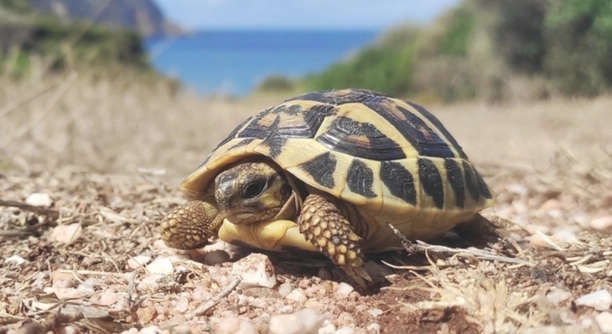
Is your Hermann’s tortoise always facing the same direction, making you wonder if something is wrong? This behavior may seem odd, but it is actually quite common among tortoises and has several possible explanations.
A Hermann’s tortoise often faces the same direction due to environmental factors, such as light sources, heat, and magnetic fields. Instincts and comfort also play a role, as tortoises naturally seek optimal conditions for thermoregulation and safety.
Understanding this behavior can help you create a more comfortable habitat for your tortoise. Learning about their natural instincts and environmental preferences will give you better insight into their daily routines and overall well-being.
Environmental Factors That Influence Direction
A Hermann’s tortoise may face the same direction due to environmental cues. Light sources, such as windows or lamps, naturally attract them. They may also seek warmth from a heat lamp or a sunny spot in their enclosure. Tortoises rely on external heat to regulate their body temperature, so they position themselves accordingly. Magnetic fields can also influence their orientation. Some studies suggest that tortoises, like many other animals, have a natural sense of direction linked to the Earth’s magnetic field. If they consistently face the same way, they might be responding to something in their environment.
A tortoise’s surroundings play a major role in its behavior. Observing where they face can give you clues about their needs. If they always turn toward a light source or heater, they may be seeking warmth.
Adjusting their habitat can make a difference. Try repositioning their heat lamp or changing their enclosure setup. If they seem fixated on one direction, introducing more hiding spots or enriching their space can encourage them to explore different areas. Understanding these environmental influences will help ensure your tortoise stays comfortable and content.
Instinctual and Comfort-Based Behavior
Tortoises have strong instincts that guide their movements. They seek out areas that feel safe and secure, which may lead them to favor one direction.
In the wild, tortoises rely on their instincts to navigate and find shelter. They may face a certain way due to their natural preference for open space, shade, or a secure hiding spot. Some tortoises also develop habits based on their daily routine. If they have been conditioned to face one way during feeding or basking, they may continue doing so out of habit. Additionally, a tortoise may find a specific position more comfortable for digestion or rest. If they consistently face a particular direction, it could be their way of feeling at ease.
Providing a balanced environment with proper lighting, hiding spaces, and warmth will help support their natural behaviors. Watching how your tortoise interacts with its space can give insight into its preferences and overall well-being.
Possible Health Concerns
A tortoise that always faces the same direction may be experiencing health issues. Weakness, vision problems, or neurological conditions can affect movement. If their behavior changes suddenly, it may be a sign of discomfort or illness. Observing other symptoms can help determine if something is wrong.
Tortoises with vision problems may rely on familiar surroundings to navigate, causing them to favor one direction. Eye infections, cataracts, or injuries can limit their ability to see, making them hesitant to move. Neurological issues, such as head trauma or inner ear infections, can also affect balance and coordination. If your tortoise struggles to turn or move, it could indicate an underlying condition. Weakness from poor nutrition, dehydration, or illness may also limit movement. A lack of energy might make them stay in one spot or face a direction they find most comfortable.
A vet checkup can help rule out health problems. Providing a proper diet with essential vitamins and minerals supports overall health. Ensuring they have access to fresh water prevents dehydration. Observing their behavior closely can help identify issues early. If they show signs of weakness, disorientation, or loss of appetite, seeking professional advice is the best way to keep them healthy.
How to Encourage Movement
Tortoises need a stimulating environment to encourage movement. Adding obstacles, different textures, and hiding spots can make their space more engaging. A varied setup encourages exploration and prevents them from staying in one position for too long.
Creating an enclosure with multiple basking spots and shaded areas encourages natural movement. Placing food in different locations can also motivate them to explore. Small climbing areas, logs, and tunnels provide variety and keep them active. If your tortoise seems uninterested in moving, checking the temperature is important. A cold environment can slow them down, while a well-regulated setup promotes activity.
Regular outdoor time in a safe, enclosed space can also help. Natural sunlight provides essential UVB exposure, which supports energy levels and bone health. Interacting with their habitat and experiencing new surroundings can encourage healthy movement. Keeping their enclosure dynamic and providing regular opportunities for exploration will help ensure they stay active and engaged.
The Role of Routine
Tortoises are creatures of habit. They often develop routines based on their daily activities, such as basking, eating, and resting. If they always face the same direction, it could simply be part of their natural pattern and sense of familiarity.
Repetitive behaviors help tortoises feel secure in their environment. They may choose a favorite spot to bask or a familiar direction to rest. Changing their setup too often can sometimes cause stress, so maintaining a stable environment allows them to follow their preferred routine comfortably.
Adjusting Their Habitat
Making small changes to their habitat can encourage them to move more freely. Placing basking spots in different areas, rotating feeding locations, and adding new textures or hiding spaces can create a more engaging environment. These adjustments help prevent repetitive behavior and promote natural exploration.
When to Seek Veterinary Advice
If your tortoise’s behavior changes suddenly or is accompanied by signs of illness, a vet visit is recommended. Lethargy, lack of appetite, difficulty moving, or any visible health issues should not be ignored. Addressing potential concerns early can prevent more serious problems and help keep your tortoise in good health.
FAQ
Why does my Hermann’s tortoise always face the same wall?
A tortoise may face the same wall due to environmental cues, routine, or comfort. If the wall is near a heat source or a bright light, they might be drawn to it for warmth. Some tortoises also feel safe in enclosed spaces and may position themselves near a wall for security. If they are in a glass enclosure, they could be trying to move toward an open space they see outside. Checking their habitat setup and making small adjustments can help encourage movement in different directions.
Is my tortoise bored if it stays in the same position?
Tortoises can become less active if their environment lacks stimulation. If their space is too simple or doesn’t have varied textures, obstacles, or hiding spots, they may not feel the need to explore. Boredom can sometimes lead to repetitive behaviors, like staying in one spot. Adding logs, rocks, or new hiding spaces can make their enclosure more engaging. Placing food in different locations can also encourage movement. However, if your tortoise seems unusually inactive, it’s important to rule out health issues by checking for other signs of discomfort or illness.
Can temperature affect my tortoise’s behavior?
Temperature plays a major role in a tortoise’s activity level. If the enclosure is too cold, they may become sluggish and remain in one spot to conserve energy. A basking area with a temperature of around 90-95°F (32-35°C) and a cooler area between 75-85°F (24-29°C) helps regulate their body temperature. If they always face the same direction, they may be trying to find the warmest or most comfortable area. Checking the temperature with a reliable thermometer ensures they have the right conditions to stay active and healthy.
Could my tortoise be sick if it always faces the same way?
If your tortoise is facing the same direction along with other unusual behaviors, it could indicate a health problem. Weakness, difficulty moving, or loss of appetite are signs that something might be wrong. Vision issues or neurological conditions can also cause them to favor one direction. If they seem disoriented, struggle to turn, or have visible swelling around the eyes, seeking veterinary advice is recommended. A healthy tortoise should explore its surroundings and show normal movement patterns throughout the day.
How can I encourage my tortoise to explore more?
Creating an engaging environment can help promote movement. Rearranging their enclosure, adding new objects, and placing food in different areas can encourage exploration. Outdoor time in a secure space allows them to experience new textures and natural sunlight, which supports their overall well-being. Ensuring the temperature and lighting are appropriate also plays a big role in keeping them active. If they still seem uninterested in exploring, monitoring their behavior closely can help determine if they are simply following a routine or if something else is affecting them.
Should I be concerned if my tortoise faces the same direction every day?
If your tortoise is eating well, moving normally, and showing no signs of distress, this behavior is likely not a concern. Some tortoises prefer consistency and may develop habits based on comfort and routine. However, if you notice any sudden changes in behavior, reduced movement, or signs of illness, it’s best to investigate further. Checking their environment, making adjustments, and ensuring they are in good health will help keep them comfortable and active.
Final Thoughts
A Hermann’s tortoise facing the same direction is usually a normal behavior influenced by environmental factors, routine, or comfort. They may be drawn to warmth, light, or a specific area that makes them feel safe. In many cases, this is simply a preference rather than a cause for concern. However, it is always good to observe their behavior over time to ensure they are comfortable and not displaying signs of distress. Small adjustments to their enclosure, such as changing the position of their heat source or adding new hiding spots, can encourage movement and exploration.
If a tortoise consistently faces one direction without much activity, it may be helpful to check for potential health concerns. Weakness, vision problems, or other medical issues can sometimes lead to limited movement. Monitoring their appetite, energy levels, and response to their surroundings can provide important clues about their well-being. If they show any signs of illness, such as lethargy, lack of appetite, or difficulty moving, seeking veterinary advice is the best course of action. A proper diet, access to fresh water, and a well-maintained habitat play a big role in keeping them healthy and active.
Providing a stimulating environment helps ensure a tortoise stays engaged and comfortable. Simple changes, like placing food in different locations, offering natural textures, or allowing supervised outdoor time, can encourage exploration. Since tortoises thrive on routine, it is important to balance familiarity with opportunities for movement. While their preference for facing one direction is often harmless, paying attention to their behavior and habitat conditions helps ensure they remain happy and healthy in their environment.

Hello,
If you enjoy the content that we create, please consider saying a "Thank You!" by leaving a tip.
Every little bit helps us continue crafting quality advice that supports the health, happiness, and well-being of pets around the world, for pets of all shapes, sizes, and species.
We really appreciate the kindness and support that you show us!