
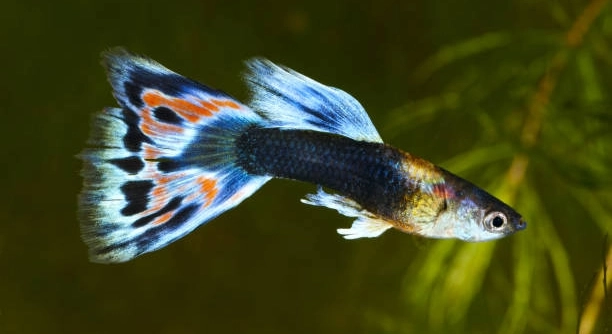
If you’ve noticed your guppy’s tail turning white, it can be concerning. A healthy fish typically has vibrant colors, so changes like this should be addressed promptly to ensure your guppy’s well-being.
The whiteness of your guppy’s tail may be caused by various factors, including poor water quality, stress, diseases like fin rot, or even genetic mutations. It’s essential to investigate these possibilities to prevent further damage and maintain a healthy aquarium.
By identifying the root cause, you can take action to restore your guppy’s health and prevent similar issues in the future.
Poor Water Quality
One of the most common reasons for a guppy’s tail turning white is poor water quality. Guppies are sensitive to changes in their environment, and water conditions that aren’t ideal can lead to health problems. Ammonia, nitrates, and nitrites can build up in the tank if regular maintenance isn’t performed. These toxins can cause skin and fin issues, including discoloration.
Even small changes in water parameters, such as pH or temperature fluctuations, can also stress your guppy. These stressors weaken your fish’s immune system and make it more vulnerable to infections. When the water is clean and stable, your guppy’s colors will remain vibrant.
If you notice the tail turning white, it’s time to test your water quality and make adjustments. Regular water changes and maintaining a filtration system can help avoid such issues. Ensure that your tank is properly cycled before introducing new fish, as this can prevent potential stress and disease.
Stress and Injury
Stress can also lead to your guppy’s tail turning white. Stress is often caused by overcrowding, sudden temperature changes, or aggressive tankmates. Guppies are peaceful fish, and when placed in stressful conditions, their immune systems are compromised.
Injuries, whether from rough tank mates or accidental scraping, can also cause white discoloration on the tail. If the tail is damaged, the affected area may become inflamed or infected, leading to a white appearance as part of the healing process. Keep an eye on the tank environment to ensure that aggression and physical harm are minimized.
By providing a calm and stable environment, you can prevent stress and injuries, allowing your guppy to heal naturally. Regularly monitoring the fish for signs of stress will help you identify issues early and provide the right care.
Fin Rot
Fin rot is a bacterial infection that can affect your guppy, leading to white or pale patches on the tail. It usually occurs when water quality is poor or when the fish is stressed. If left untreated, fin rot can cause the tail to deteriorate, eventually leading to further damage.
If you suspect fin rot, immediate action is necessary. Start by performing a water change and improving the water quality. Add aquarium salt to reduce bacterial growth, and consider using a medicated treatment designed for fin rot. Keeping your guppy in a clean, stable environment helps prevent further spread of the disease.
If the condition worsens, you may need to isolate the infected fish to prevent it from spreading to others. Keeping your tank clean and regularly checking water parameters can help reduce the risk of fin rot and keep your guppy healthy.
Temperature Fluctuations
Guppies are sensitive to temperature changes, and sudden fluctuations can cause stress, weakening their immune system. This can result in a variety of health issues, including the whitening of the tail. Ensure your tank has a reliable heater and thermometer to maintain a stable temperature range.
Inconsistent temperatures can cause your guppy to become more susceptible to diseases like bacterial infections and parasites. If the temperature changes too rapidly, it can lead to shock, which may cause physical symptoms such as white discoloration on the tail. For guppies, the ideal temperature is between 72°F and 82°F.
To avoid temperature-related issues, invest in a quality heater and a thermometer. Avoid placing your tank near windows or heat sources, as this can cause temperature fluctuations throughout the day. Keeping your aquarium at a stable temperature ensures your guppy’s health and vibrant color.
Fungal Infections
Fungal infections can also cause a guppy’s tail to turn white. These infections typically appear as fluffy, white patches on the fins and tail. Fungi thrive in tanks with poor water conditions, particularly when the fish’s immune system is weakened.
Treatment usually involves isolating the infected fish and applying antifungal medication. Be sure to change the water frequently and use aquarium salt to promote healing. Maintaining good tank hygiene and avoiding overcrowding will help prevent fungal growth. If the infection is caught early, the fish can recover with proper care.
Genetics
Some guppies may develop white tails due to genetic factors. Certain strains of guppies are more prone to fading colors or fin issues as they age. This is especially common in certain breeding lines, which may have inherited traits that affect their coloration.
If the issue is genetic, it’s typically not a sign of illness, but rather a normal part of the guppy’s life cycle. However, ensuring optimal water quality can still help maintain their health and slow down the fading process. Understanding the genetic makeup of your fish can give you insight into its appearance.
Poor Diet
A poor diet can cause a guppy to lose its vibrant colors and develop white patches on the tail. Guppies need a balanced diet of high-quality flakes, pellets, and occasional live foods. Inadequate nutrition can weaken their immune system, making them more susceptible to infections and diseases.
A varied diet with essential nutrients like vitamins and minerals will help your guppy maintain its color and overall health. Be sure to feed your fish in moderation, as overfeeding can also lead to water quality issues. Adjusting the diet can prevent nutritional deficiencies that affect your guppy’s tail color.
FAQ
Why is my guppy’s tail turning white?
A guppy’s tail turning white can be caused by a number of factors. The most common reasons include poor water quality, stress, bacterial or fungal infections, temperature fluctuations, and even genetic predisposition. Ensuring proper tank maintenance, stable water conditions, and a balanced diet will help address and prevent this issue. Immediate action such as water changes, isolation, and possibly medicated treatments may be needed depending on the cause.
How do I fix poor water quality in my aquarium?
To fix poor water quality, start by performing a large water change—about 25-50%. Test your water regularly to monitor levels of ammonia, nitrites, and nitrates. Installing a good filtration system and using a water conditioner can help maintain optimal water conditions. Ensure proper cycling of your tank, and do not overcrowd your fish. Regular water changes will prevent the build-up of harmful toxins that can cause health issues like white tails.
What is fin rot, and how can I treat it?
Fin rot is a bacterial infection that affects the tail and fins of fish. It often occurs when the fish is exposed to poor water conditions, stress, or injury. Early signs include frayed fins and white or gray patches. To treat fin rot, isolate the affected fish, perform water changes, and add a medicated treatment specifically for fin rot. You can also use aquarium salt to reduce bacterial growth and improve the healing process.
Can temperature changes cause my guppy’s tail to turn white?
Yes, temperature fluctuations can cause stress and physical damage to your guppy, leading to white discoloration on the tail. Guppies thrive in stable temperatures between 72°F and 82°F. Sudden changes in water temperature, such as placing your tank near a window or heater, can cause shock, weakening your fish’s immune system. Use a reliable aquarium heater and thermometer to maintain consistent temperatures, and avoid placing the tank near temperature extremes.
How do I know if my guppy has a fungal infection?
Fungal infections often appear as fluffy, white patches on the tail or fins of your guppy. These white spots may resemble cotton-like growths. Fungal infections are usually caused by poor water conditions and stress. To treat a fungal infection, isolate the affected fish, perform water changes, and add antifungal medication to the tank. Keeping the tank clean and stable will prevent the growth of harmful fungi.
Can I prevent my guppy’s tail from turning white?
Yes, prevention is possible by maintaining proper tank care. Ensure that water quality remains high by doing regular water changes and monitoring levels of ammonia, nitrites, and nitrates. Keep the temperature stable and avoid overcrowding. Also, provide a balanced diet that meets your guppy’s nutritional needs. Reducing stress from aggressive tank mates or improper tank conditions will help keep your guppy healthy and vibrant.
What are the signs of stress in guppies?
Stress in guppies can be caused by many factors, including overcrowding, poor water quality, temperature fluctuations, or aggressive tankmates. Signs of stress include faded or dull colors, unusual swimming patterns, or hiding more than usual. If your guppy’s tail turns white and shows other signs of distress, it’s important to assess the tank conditions immediately to reduce stress and improve its environment.
How can I treat genetic discoloration in my guppy’s tail?
Genetic discoloration, which causes the tail to fade or turn white, cannot be fully treated. However, you can ensure that your guppy’s environment is optimal by maintaining good water quality and offering a nutritious diet. If genetic traits are causing the color changes, this may be a natural part of the fish’s life cycle, and the best you can do is keep it healthy and comfortable.
What should I feed my guppy to prevent color fading?
To prevent color fading and maintain a healthy, vibrant tail, provide a balanced diet rich in essential nutrients. High-quality flakes or pellets formulated for guppies, along with live foods like brine shrimp and daphnia, can help maintain their color. Adding occasional vegetables like spinach can also contribute to a balanced diet. Be sure to avoid overfeeding, as this can lead to poor water quality and other health issues.
How often should I clean my tank to prevent tail discoloration?
Regular tank maintenance is crucial to prevent tail discoloration. Perform weekly water changes of about 25-30% to remove waste and prevent the build-up of harmful toxins. Clean the substrate and filter every few weeks, and make sure to remove uneaten food. Maintaining clean water and a stable environment will reduce the risk of infections and stress that could affect your guppy’s tail.
Final Thoughts
In conclusion, a guppy’s tail turning white can stem from various causes, including poor water quality, stress, bacterial or fungal infections, temperature fluctuations, and even genetic factors. Identifying the root cause is crucial for treating the issue effectively and restoring your guppy’s health. Regularly checking water quality, providing a stable environment, and offering a balanced diet are the most effective preventative measures to ensure your guppy remains vibrant and healthy. These simple steps can help you spot issues early before they escalate into more significant health problems.
It is important to remember that sometimes, the discoloration may not be due to a serious illness but rather a natural part of your guppy’s life cycle, especially if it is related to genetics. However, when your guppy shows signs of distress or illness, such as faded or white tails, taking immediate action will prevent further harm. Treating any potential infections promptly and maintaining a healthy, stress-free environment can improve your fish’s overall well-being. The key to preventing many of the issues discussed is understanding your guppy’s needs and making sure they are met consistently.
By maintaining good tank practices—such as ensuring proper filtration, avoiding overfeeding, and controlling the water temperature—you can minimize the chances of your guppy developing white tail issues. A healthy guppy not only looks better but also lives a longer, happier life. If you are ever unsure of what is causing the issue, don’t hesitate to consult a fish care professional. They can guide you in finding the best solution and help restore your guppy to its full health.

Hello,
If you enjoy the content that we create, please consider saying a "Thank You!" by leaving a tip.
Every little bit helps us continue crafting quality advice that supports the health, happiness, and well-being of pets around the world, for pets of all shapes, sizes, and species.
We really appreciate the kindness and support that you show us!