
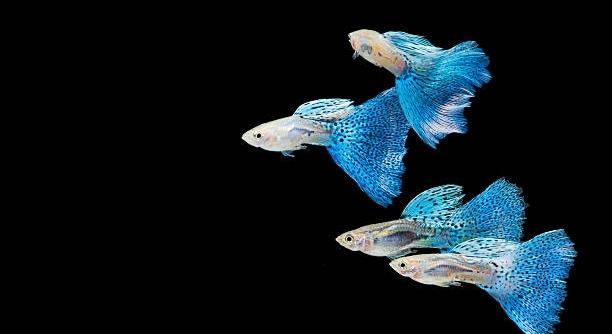
Guppies are known for their vibrant colors and lively personalities, making them a popular choice among fish enthusiasts. However, when their tails start turning black, it can be a concerning sight for any guppy owner.
The blackening of a guppy’s tail is often caused by factors such as poor water quality, stress, or infections. Environmental changes, like temperature shifts or overfeeding, can also play a role in causing discoloration.
Identifying the cause of your guppy’s tail discoloration can help prevent further health issues. We’ll explore the common reasons behind this change and offer tips on how to care for your guppy.
Poor Water Quality
One of the most common reasons behind your guppy’s tail turning black is poor water quality. Guppies are sensitive to their environment, and water parameters such as pH, ammonia, nitrate, and nitrite levels play a significant role in their health. When the water conditions are not ideal, it can cause stress, which may lead to tail discoloration. Regular water changes, proper filtration, and checking the water parameters can go a long way in preventing this issue.
If you haven’t been monitoring your water regularly, this could be a key factor. Water changes should be done weekly, with at least 25% of the water being replaced. Make sure your filter is working properly, as a good filter helps to remove toxins that could harm your guppy.
In addition, it’s important to have a reliable test kit to check the water for ammonia, nitrites, and nitrates. If these levels are off, the blackening of your guppy’s tail might just be the tip of the iceberg, signaling a bigger problem with your aquarium setup.
Stress and Overcrowding
Stress is another major factor that can lead to a black tail on your guppy.
When guppies are stressed, they may show physical signs such as color changes, reduced activity, or tail discoloration. Stress can be caused by several factors, including overcrowding in the tank. Too many fish in a small space can lead to tension and competition for resources, which negatively affects their health.
Overcrowding results in increased waste, poor water circulation, and a higher chance of disease spreading. This also causes a buildup of toxins, which further irritates your guppy. To alleviate stress, consider reducing the number of fish in the tank or upgrading to a larger aquarium. Ensuring each fish has enough space to move around freely will help prevent stress-related health issues.
Poor Diet and Overfeeding
Feeding your guppy the wrong type of food or overfeeding can result in health problems, including a black tail. An imbalanced diet, especially one that lacks essential nutrients, can weaken the immune system and make them more susceptible to infections and stress.
Overfeeding also leads to waste accumulation, which can degrade water quality and cause stress. Excess food left uneaten may rot in the tank, contributing to the rise in toxins. A balanced diet consisting of high-quality fish flakes, live or frozen foods, and occasional vegetable matter is essential. Ensure you only feed your guppy what they can consume in a few minutes to avoid overfeeding.
Regularly assess your guppy’s health by observing their energy levels and skin condition. If their tail becomes black, it could indicate that their diet needs to be improved or that there’s an issue with the water quality linked to excess food.
Temperature Fluctuations
Guppies are sensitive to temperature changes, and sudden fluctuations can cause stress, leading to tail discoloration. If the water temperature is too high or too low, it can weaken your guppy’s immune system and make them more vulnerable to infections or bacterial growth.
Maintaining a stable temperature is key. Guppies thrive in temperatures between 75°F and 82°F (24°C to 28°C). Using a reliable heater and thermometer ensures that the temperature stays within this range. Sudden drops or increases can shock your guppy, making them more likely to develop stress-related issues, including tail discoloration.
Keep an eye on the room temperature as well, as drafts or direct sunlight can cause unwanted fluctuations. A stable tank environment will help your guppy stay healthy and prevent tail changes caused by temperature stress.
Fungal or Bacterial Infections
Fungal or bacterial infections are another possible cause of blackening in your guppy’s tail. These infections often appear as lesions or spots on the skin, and if left untreated, they can spread to the tail. Infected areas may turn dark, indicating a worsening condition.
These infections can be caused by poor water quality or an overcrowded tank, which creates an environment where bacteria and fungi can thrive. If you suspect an infection, it’s crucial to act quickly. A medicated bath or the use of aquarium treatment can help combat bacterial or fungal issues. Ensure the affected fish is isolated in a quarantine tank to prevent the infection from spreading to other fish.
Regular tank cleaning, proper water filtration, and avoiding overfeeding can help minimize the risk of infections.
Genetic Factors
Genetic issues can play a role in changes to your guppy’s appearance, including blackening of the tail. Some guppies may inherit genes that cause color shifts, even without any external triggers.
If your guppy’s tail begins turning black and no environmental or health issues are present, genetics might be the reason. This color change is usually not harmful, but it can be a permanent trait for that particular fish.
In most cases, these changes aren’t a sign of illness or stress, but just part of the guppy’s natural coloring process. However, if the change is sudden or drastic, it’s worth investigating further.
Inadequate Tank Maintenance
Failing to maintain your aquarium properly can lead to various issues, including black tails in your guppies. Poor tank hygiene can cause bacterial buildup, algae growth, and toxins that harm your fish.
Regular tank cleaning, including gravel vacuuming and filter maintenance, is essential for preventing problems. Without proper maintenance, toxins can accumulate, leading to poor water quality. This weakens your guppy’s immune system and may result in discoloration or other health issues. Keeping up with these tasks will improve the overall well-being of your fish and help prevent further complications.
Nitrate or Nitrite Poisoning
High levels of nitrates or nitrites in your tank water can be dangerous for your guppy. These substances build up when waste decomposes but aren’t removed properly, leading to poisoning.
If left unchecked, high nitrate or nitrite levels can cause stress, illness, and changes in color. It’s important to regularly test your water and take immediate action if the levels are too high. Frequent water changes and improving filtration can help bring these toxins under control, ensuring a healthier environment for your guppy.
FAQ
What is the most common cause of a guppy’s tail turning black?
The most common reason for a guppy’s tail turning black is poor water quality. When the water’s pH, ammonia, or nitrite levels are off, it causes stress, which can lead to discoloration. Poor water conditions are often the first sign that something is wrong, so testing and improving your tank’s water quality is essential.
Can stress cause a guppy’s tail to turn black?
Yes, stress is a major factor that can lead to black tails in guppies. Stress can come from overcrowding, sudden changes in temperature, or aggression from other fish. When a guppy is stressed, its immune system weakens, making it more susceptible to diseases and color changes. Reducing stressors in the tank and ensuring your fish have enough space can help prevent this.
How can I improve my guppy’s diet to prevent black tail coloration?
Feeding your guppy a balanced diet is crucial in preventing health issues like black tail coloration. Offer high-quality fish flakes, live or frozen foods, and occasional vegetables to ensure they get all the necessary nutrients. Overfeeding should be avoided as it can lead to water quality issues, which may also contribute to tail discoloration.
Can a guppy’s black tail be a sign of infection?
Yes, fungal or bacterial infections can cause a guppy’s tail to turn black. These infections often start with lesions or spots on the skin and may spread to the tail. If the tail becomes black and there are visible signs of infection, immediate treatment with aquarium medication or isolation of the affected fish is necessary.
What temperature should my guppy’s tank be to avoid black tail discoloration?
Guppies are best kept at a stable temperature between 75°F and 82°F (24°C to 28°C). If the water is too cold or too warm, it can stress your guppy, leading to changes in coloration, including black tails. Keeping a heater and thermometer in the tank ensures the temperature stays within the optimal range.
Is it safe to use aquarium salt if my guppy’s tail is turning black?
Aquarium salt can sometimes be helpful in treating minor wounds or infections. However, it should be used with caution. If your guppy’s black tail is due to an infection, salt may assist in healing, but it’s best to first identify the cause of the discoloration before using any treatments. Always follow dosage recommendations and avoid prolonged use.
Can I treat black tail discoloration without separating the guppy from the tank?
In many cases, you can address the issue without removing your guppy from the tank, especially if the problem is environmental. Improving water quality, adjusting the temperature, and reducing stress factors can help. If the black tail is caused by an infection, you may need to quarantine the fish in a separate tank for treatment to prevent it from spreading.
What should I do if I notice black tail discoloration on my guppy?
First, assess your tank’s water quality. Check the pH, ammonia, and nitrate levels to ensure they are within safe ranges. Perform a water change if necessary. Also, look for other signs of illness or stress, such as lethargy or unusual behavior. If the discoloration persists, consider separating the guppy for treatment or consulting an expert.
Can black tail discoloration be genetic?
Yes, some guppies may naturally develop black tails due to genetics. This is more common in certain color morphs, and the discoloration might not be a sign of illness. If the black tail change happens gradually and without any signs of infection or distress, it could simply be a genetic trait.
How often should I test my tank’s water to avoid black tail issues?
Testing your water once a week is ideal to prevent issues like black tail discoloration. This allows you to catch any fluctuations in pH, ammonia, or nitrate levels before they negatively affect your guppies. Regular water changes, filtration maintenance, and testing ensure that your tank remains a healthy environment for your fish.
Can overcrowding in my tank cause black tails?
Yes, overcrowding is a common stressor that can lead to black tails. When too many fish are in a small space, they compete for resources, and the water quality can deteriorate quickly. This stress can cause physical changes in guppies, such as tail discoloration. Ensure your tank has enough space for all the fish and that it is properly filtered to avoid these issues.
How do I know if my guppy’s black tail is caused by poor water quality?
If your guppy’s tail is turning black, and you notice other signs like rapid breathing, lethargy, or other physical changes, poor water quality could be the cause. Check the water parameters using a test kit. If ammonia, nitrites, or nitrates are high, perform a water change and improve filtration to resolve the issue.
Is it possible for a guppy’s tail to turn black as part of its normal aging process?
While it’s less common, some guppies may experience slight changes in coloration as they age. If the black tail appears gradually and your guppy is otherwise healthy, this could simply be a normal color shift. However, if the discoloration is sudden or accompanied by other symptoms, it’s important to investigate further.
Final Thoughts
Understanding why your guppy’s tail is turning black is crucial for maintaining its health. It could be caused by several factors, including poor water quality, stress, overfeeding, or infections. By keeping an eye on the water conditions in your tank, you can avoid many of these issues. Regular water changes and ensuring that your guppy has a balanced diet will go a long way in preventing problems like black tail discoloration. Addressing any environmental or health issues promptly will help your guppy thrive.
If you notice other symptoms along with the black tail, such as lethargy, loss of appetite, or visible wounds, it might be time to take action. Infections, whether bacterial or fungal, can cause tail discoloration, and these need to be treated quickly. Isolating the affected guppy in a quarantine tank can help prevent the spread of infection to other fish in your aquarium. With the right care and treatment, your guppy should recover and return to its vibrant, healthy self.
Ultimately, knowing how to care for your guppy, keeping the tank clean, and managing their environment are the best ways to prevent issues like black tails. Regular monitoring of water parameters, feeding properly, and observing your guppy’s behavior are key steps to ensuring its long-term health. If you ever feel unsure or the problem persists, don’t hesitate to seek advice from an aquarium specialist or veterinarian to get the help your guppy needs.

Hello,
If you enjoy the content that we create, please consider saying a "Thank You!" by leaving a tip.
Every little bit helps us continue crafting quality advice that supports the health, happiness, and well-being of pets around the world, for pets of all shapes, sizes, and species.
We really appreciate the kindness and support that you show us!