
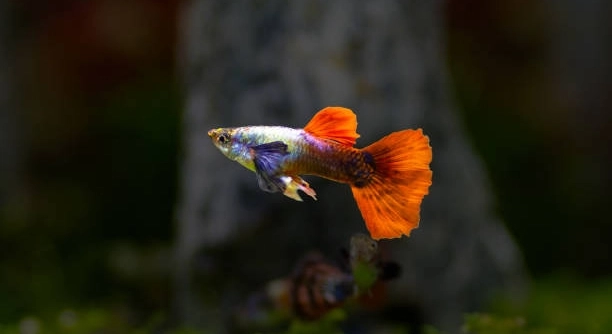
Guppies are popular aquarium fish known for their vibrant colors and lively personalities. However, if you notice your guppy’s tail is ripped, it’s important to understand why this could be happening.
A ripped guppy tail can result from several causes, including fin nipping, water quality issues, aggressive tank mates, or injuries caused by rough surfaces or decorations. Identifying the cause will help you address the issue effectively.
Learning the cause of a torn tail can help prevent further damage and keep your guppy healthy. We will go through some common reasons for this issue and provide tips for care.
Fin Nipping from Other Fish
Fin nipping is one of the most common reasons why a guppy’s tail may become torn. This typically happens when other fish in the tank, often more aggressive species, target your guppy’s delicate fins. Some fish, especially bettas, barbs, or other territorial species, may see a guppy’s tail as a target for play or aggression. This behavior is often driven by competition or stress in the aquarium.
Aggressive fish in your tank might constantly harass and chase your guppy, leading to the damage of its tail. Over time, this can cause tears or frayed fins, and if not addressed, it can lead to more serious injuries.
If you observe any of your fish attacking or chasing the guppy, it’s crucial to either separate them or remove the aggressor. Adding plants, decorations, or creating hiding spots can also help reduce stress and prevent further damage. Make sure to monitor the tank closely to ensure peaceful interactions between the fish.
Poor Water Quality
Water quality plays a significant role in the health of your guppy. Poor water conditions can weaken a guppy’s immune system, making it more vulnerable to tail damage. When water parameters like pH, temperature, and ammonia levels are not optimal, guppies may become stressed and more prone to injury.
Bad water quality doesn’t directly cause ripped tails, but it creates an environment where fish are more likely to hurt themselves. Stress weakens their fins, making them more susceptible to nipping or other forms of damage. It also affects their overall health, leaving them unable to heal properly.
Ensure that your aquarium is properly filtered and perform regular water changes to maintain healthy conditions. Test the water parameters frequently and adjust as needed. Good water quality not only prevents tail damage but also supports your guppy’s overall well-being. It’s important to create a stable, clean environment where your fish can thrive.
Tank Decorations or Rough Surfaces
Sharp edges or rough surfaces in the tank can cause injury to your guppy’s tail. Decorations, rocks, and even certain plants can be hazardous if they have jagged edges. Guppies, being active swimmers, might unintentionally scrape or tear their tails on these objects, especially when they are trying to swim quickly or dart around.
To prevent tail damage, inspect the decorations and surfaces in your tank. Avoid placing items with sharp edges or rough textures where the guppy might accidentally brush against them. Smooth and soft decorations, such as silk plants and rounded stones, are ideal for creating a safe environment.
It’s also a good idea to rearrange the tank periodically to encourage your guppy to explore new areas while reducing the risk of frequent contact with harmful surfaces. Taking these precautions will help keep your guppy’s tail in good condition and prevent unnecessary injuries.
Overcrowded Tank
An overcrowded tank is a common reason for fin damage. Too many fish in one space can lead to stress and aggression. Guppies, though peaceful, may struggle to find space to swim freely. This tension can make them more susceptible to torn tails or fin nipping.
When there are too many fish, it increases competition for food and territory. Guppies, in particular, are sensitive to overcrowding. Their fins might get torn while trying to escape from the aggression of other fish. To avoid this, it’s important to ensure proper stocking levels based on your tank size.
Make sure your tank has enough space for each fish to swim comfortably. A good rule is to have at least one gallon of water per inch of fish. Regularly monitor fish behavior and check for signs of stress. If overcrowding is an issue, consider upgrading your tank or removing excess fish to ensure everyone stays healthy and safe.
Inadequate Diet
A poor diet can lead to weakened fins and overall poor health for your guppy. If they aren’t getting the right balance of nutrients, their body will be more vulnerable to injury, and their tail may tear more easily. A diet low in vitamins or fatty acids can contribute to poor fin health.
Feeding your guppy a varied and balanced diet is essential. Include high-quality flakes, frozen or live foods, and occasionally plant-based meals. Omega-3 fatty acids, found in foods like brine shrimp and bloodworms, help promote strong fins and vibrant colors. Avoid overfeeding, as it can lead to poor water quality, worsening the problem.
It’s also important to monitor the fish’s eating habits. If your guppy seems disinterested or isn’t eating well, check for signs of illness or stress. A proper diet helps boost your guppy’s immune system and ensures better recovery if any injuries do occur. Keeping them well-fed contributes to their long-term health.
Aggressive Mating Behavior
Male guppies can sometimes become overly aggressive during mating. When they see a female they’re interested in, they may chase her relentlessly, sometimes leading to physical harm. If this behavior goes unchecked, it can result in damaged tails or fins.
Male guppies will often chase females for days, especially during mating season. The constant pursuit can result in torn fins or even more serious injuries. To minimize this, consider keeping a balanced male-to-female ratio in your tank. Having more females than males can reduce aggression as the males will focus on multiple females instead of relentlessly chasing one.
Also, make sure to offer plenty of hiding spots for the females to retreat to. These spots give them a break from the constant attention and reduce the risk of injury. Keeping the males busy with other distractions can also help alleviate this issue.
Temperature Fluctuations
Rapid changes in water temperature can cause stress and weaken your guppy’s immune system. This stress can make their fins more fragile and prone to injury. Sudden drops or increases in temperature can lead to a torn tail.
Maintaining a stable water temperature between 72°F and 82°F is essential for guppies. Use a reliable aquarium heater to avoid fluctuations that can stress your fish. Regularly monitor the water temperature with a thermometer to ensure consistency. Stabilizing the temperature helps keep your guppy healthy and reduces the risk of tail damage.
Improper Tank Setup
A poorly arranged tank can also be a factor in a torn tail. Guppies are active swimmers, and an environment without enough space or hiding places can lead to stress. This constant stress can result in injuries, including ripped fins.
Ensure your tank setup includes plenty of plants, rocks, and hiding spots. These provide safe areas for your guppy to retreat and reduce stress. Avoid placing decorations with sharp edges, as these can cause physical damage to your guppy’s fins. A well-designed tank promotes a peaceful atmosphere, encouraging healthy fish.
Infections and Diseases
Infections, such as fin rot, can cause a guppy’s tail to tear and deteriorate. Bacterial or fungal infections weaken the fins, making them more likely to rip. If left untreated, these conditions can lead to more severe damage.
If you notice any discoloration or unusual growth around your guppy’s tail, consider treating the tank with an appropriate medication. Isolate the infected fish to prevent spreading the infection to others. Maintaining good water quality and regular tank cleanings can help prevent these diseases.
FAQ
What should I do if my guppy’s tail is ripped?
If your guppy’s tail is ripped, the first step is to assess the situation. Check for any signs of infection, such as discoloration or fraying. If you notice any, treat the fish with an appropriate medication or isolate it to prevent the spread of disease. Keep the water quality high and maintain a clean environment, as poor water conditions can slow the healing process. If other fish are responsible for the injury, consider separating them or rearranging the tank to reduce stress. Ensure that the tank is well-stocked, but not overcrowded.
Can guppies heal from a torn tail?
Yes, guppies can heal from a torn tail, but it depends on the severity of the injury. Minor tears usually heal on their own within a few days to a couple of weeks, provided the water conditions are ideal and the fish is not under too much stress. If the tear is deep or caused by an infection, it might take longer to heal or could lead to further complications. Make sure to monitor the healing process closely and adjust the environment if necessary.
How can I prevent my guppy’s tail from being torn again?
To prevent your guppy’s tail from being torn again, start by ensuring that the tank has enough space. Avoid overcrowding, as it can lead to stress and aggression. Remove any aggressive tank mates and monitor interactions between fish. Keep the water quality in check with regular maintenance and water changes. Provide plenty of hiding spots and soft, smooth decorations to reduce the risk of injury. A well-balanced diet will also strengthen your guppy’s immune system, helping it recover faster from injuries.
Why is my guppy’s tail turning white?
A white tail could be a sign of fin rot or an infection. Bacterial infections, like fin rot, can cause the tail to appear white or discolored. This condition often happens when the water quality is poor or if the fish is stressed. If you notice a white tail, isolate the affected guppy and treat the tank with antibacterial medication. Ensure that you address any water quality issues to prevent further problems. If the fish’s condition doesn’t improve after treatment, consult a veterinarian for further guidance.
Can fin nipping be prevented in my tank?
Fin nipping can be prevented by choosing the right tank mates. Avoid keeping aggressive fish, such as bettas or fin-nipping species, with your guppies. You can also add more hiding spaces and plants to give your guppies a safe retreat. Keeping a good male-to-female ratio can also help, as male guppies are often the ones who nip. If fin nipping persists, consider using a tank divider to separate the aggressive fish. It’s important to observe the behavior of all fish in your tank to catch any aggression early.
What is the best way to treat fin rot in guppies?
The best way to treat fin rot in guppies is by improving water quality and using an antibacterial treatment. Start by performing a water change to remove toxins and bacteria from the tank. Use a medication specifically designed to treat fin rot and follow the instructions carefully. Make sure the temperature is stable, as warmer water can help with recovery. Isolate the infected fish to prevent it from spreading to others. Keep the tank clean and monitor the guppy’s healing progress. A proper diet and stress-free environment will help speed up recovery.
Why is my guppy’s tail getting ripped by other fish?
If your guppy’s tail is being ripped by other fish, it’s likely due to aggression or territorial behavior. Some fish, like bettas or larger species, are more likely to nip at the fins of smaller, peaceful fish like guppies. It’s also possible that the tank is too small or overcrowded, causing stress among the fish. To address this, try separating aggressive fish or rearranging the tank to create more hiding spots. You can also add plants or decorations to give the guppy more places to hide and reduce aggression.
How do I know if my guppy’s torn tail is caused by an infection or injury?
If your guppy’s tail is torn, it’s important to look for other signs of infection, such as swelling, redness, or a fuzzy appearance around the injury. A simple tear caused by an injury will usually have clean edges, while an infected tail may show discoloration, bleeding, or lesions. If there’s any sign of infection, treat the water with appropriate medication. In the absence of infection, the tear will likely heal on its own with proper water quality and care. It’s important to monitor the injury closely for any signs of worsening conditions.
Can I use aquarium salt to help my guppy’s tail heal?
Yes, aquarium salt can be used to help promote healing in a guppy with a torn tail. Salt can reduce stress and help prevent infections by improving gill function and helping the fish maintain proper osmoregulation. However, it should be used cautiously, as too much salt can be harmful to freshwater fish. Dissolve the recommended amount of aquarium salt in water and add it to the tank, or consider using a salt bath for the affected fish. Always follow the instructions on the salt package and monitor the fish’s response.
Final Thoughts
Taking care of a guppy with a torn tail requires understanding the cause of the injury and addressing the issue. Whether it’s caused by fin nipping, poor water quality, or an aggressive tank mate, identifying the problem early is key. Once you know what’s causing the injury, you can take the right steps to help your guppy heal and prevent further damage. Ensuring that the tank is peaceful, well-maintained, and spacious will make a big difference in the health of your guppy and all the other fish in your aquarium.
Healing can take time, and it’s important to be patient. If the injury is minor, the guppy’s tail may heal on its own. However, if the tail is severely damaged or infected, extra care and treatment may be necessary. Keep the water clean, monitor the fish for any signs of infection, and provide a stress-free environment. In some cases, you may need to isolate the injured guppy or treat the tank with medication. Regularly check the water quality and make adjustments as needed to ensure the fish’s recovery.
Lastly, preventing future tail injuries is just as important as helping your guppy heal. Avoid overcrowding the tank, provide plenty of hiding spots, and choose peaceful tank mates. A balanced diet and stable water conditions can also promote strong fins and overall health. By creating a safe and stress-free environment, you can help your guppy thrive and prevent further injuries. Always keep an eye on their behavior and health, and take quick action if any issues arise. With proper care and attention, your guppy will recover and continue to live a happy, healthy life.

Hello,
If you enjoy the content that we create, please consider saying a "Thank You!" by leaving a tip.
Every little bit helps us continue crafting quality advice that supports the health, happiness, and well-being of pets around the world, for pets of all shapes, sizes, and species.
We really appreciate the kindness and support that you show us!