
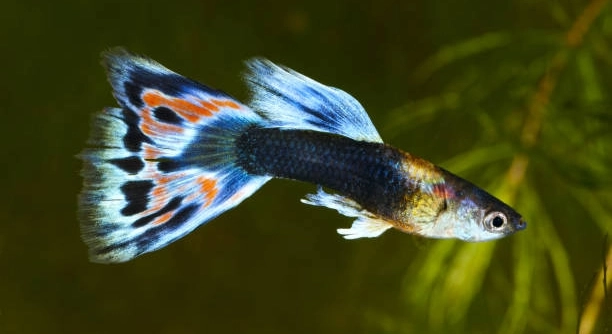
Guppies are popular and beautiful fish in many aquariums, but their tails can sometimes become damaged. A frayed tail can be a sign of various underlying issues. Understanding these causes is key to solving the problem.
The main reason your guppy’s tail is fraying is due to physical damage, poor water conditions, or aggression from other fish. Other factors like poor diet, infections, or genetics can also contribute to tail fraying in guppies.
Identifying the cause of tail fraying early is important for your guppy’s health. With the right care and attention, your fish can recover and live a happy life.
Poor Water Conditions
Your guppy’s tail can fray if the water quality is not maintained. High levels of ammonia, nitrites, or nitrates can irritate their skin, causing the tail to deteriorate. A dirty or unfiltered tank increases the likelihood of this happening. It’s important to regularly change the water and monitor the tank’s parameters.
Regular water changes and using a good filter will help keep the water clean. Make sure the tank is large enough for your guppy and has a proper filtration system. You can use test kits to check ammonia, nitrite, and nitrate levels regularly.
Poor water conditions weaken your guppy’s immune system, making them more vulnerable to infections. High levels of toxins or low oxygen can lead to stress, which is another factor contributing to tail damage. To prevent this, maintain a consistent routine of water changes, filtration, and monitoring. Keeping the water quality stable will improve your guppy’s overall health.
Aggressive Tankmates
Aggressive fish can cause physical damage to your guppy’s tail. Some fish may nip at the fins or chase your guppy, leading to stress and injuries. Keep an eye on any tankmates that might be acting aggressively.
Certain fish species, like bettas or fin-nipping fish, can harm your guppy. If you notice aggression, consider moving one of the fish to a separate tank to prevent further damage. Guppies are peaceful creatures and thrive in a calm environment without too much stress.
When setting up a tank with guppies, choosing peaceful tankmates is essential. Look for non-aggressive species that won’t stress out your guppy. If a guppy’s tail keeps fraying, it could be a sign that your tank isn’t ideal for their temperament. By being mindful of tank compatibility, you can reduce the risk of injuries.
Infections
Infections can cause tail fraying as bacteria or parasites damage the tissue. Symptoms include redness, swelling, and torn fins. Proper tank hygiene helps prevent these infections. If your guppy’s tail appears infected, act quickly to avoid further damage.
To prevent infections, always maintain good water quality. Keep the tank clean and quarantine new fish to avoid introducing harmful bacteria or parasites. If an infection occurs, consider using medication designed for freshwater fish. Also, check for any signs of poor health like lethargy, loss of appetite, or unusual behavior. Prompt treatment is essential.
Infections caused by bacteria like fin rot are common in guppies with weakened immune systems. Poor water conditions, stress, and injury can increase the risk. If left untreated, the infection can spread, leading to further tissue damage. It’s best to isolate the sick fish and treat the infection before it spreads to other fish.
Poor Diet
A poor diet is another factor that can contribute to fraying tails. Guppies need a balanced diet to maintain their health. Lack of nutrients, particularly vitamins and minerals, can weaken their fins. Without proper nutrition, your guppy’s tail may not grow back as it should.
Feed your guppy a variety of high-quality foods, such as flakes, pellets, and occasional live or frozen food. This ensures they get all the essential nutrients. Make sure to avoid overfeeding, as leftover food can pollute the water, leading to poor water quality.
A balanced diet helps maintain the overall health of your guppy, including their fins. Protein and vitamins, especially vitamin C, are crucial for tissue repair and growth. If your guppy’s tail is fraying, examine their diet closely. A well-rounded diet not only prevents fin damage but also strengthens their immune system, enabling them to recover more easily from injuries or infections.
Genetics
Some guppies may naturally have weaker tails due to their genetics. Inbreeding or poor breeding practices can lead to guppies with tail deformities or fragile fins. This isn’t always something you can control, but knowing it can help explain some cases of tail fraying.
Genetics plays a significant role in the health of your guppy’s tail. Fish bred in captivity often face genetic problems, especially if their breeding history involves closely related fish. Some guppies may have thinner fins or more fragile tail tissues, making them more prone to damage.
Unfortunately, there’s little you can do to change your guppy’s genetics once the fish is born. However, by purchasing fish from a reputable breeder who practices healthy breeding methods, you can reduce the chances of genetic issues. If your guppy’s tail is constantly fraying and it seems linked to genetics, it might be a good idea to avoid breeding that particular fish.
Stress
Stress is another leading cause of tail fraying. Guppies are delicate fish, and stress from various sources like overcrowding, poor tank conditions, or aggressive tankmates can lead to physical damage to their tails.
Keep your guppy in a stress-free environment by maintaining a proper tank size, good water quality, and peaceful tankmates. Avoid sudden changes in the environment, as this can also be stressful for your fish. It’s essential to provide your guppy with a space where they feel safe and secure.
Stress affects your guppy’s overall health, weakening their immune system and making them more prone to injuries like tail fraying. If your guppy is stressed, it will be more vulnerable to infections and other health problems. By addressing the sources of stress, you can help your guppy’s tail heal and prevent further damage.
FAQ
What should I do if my guppy’s tail is fraying?
If your guppy’s tail is fraying, the first step is to check the water quality. Test for ammonia, nitrites, and nitrates, and ensure the tank is properly filtered. Perform a water change if needed. Next, observe if any tankmates are aggressive or nipping at the tail. If the water quality is good and no aggression is present, consider possible infections, poor diet, or stress factors. Isolate the affected guppy if necessary and provide treatment for infections. In the case of a poor diet, improve the nutrition by offering high-quality food and maintaining a balanced feeding schedule.
Can frayed tails heal on their own?
Yes, frayed tails can heal on their own if the cause is addressed and the guppy is kept in a healthy environment. Clean water, proper diet, and a stress-free tank can help the tail tissue regenerate. However, if the tail remains frayed or worsens, it’s important to take action quickly. For infections or aggressive tankmates, the healing process may take longer and require additional steps like medications or separating the fish from aggressive species. Patience and care are key to helping your guppy recover.
How do I prevent my guppy’s tail from fraying?
Preventing tail fraying starts with maintaining a healthy tank. Keep the water clean and regularly test for harmful chemicals. Ensure the water temperature is stable, as temperature fluctuations can stress your guppy. Avoid overcrowding, as too many fish can lead to stress and fin damage. Choose tankmates carefully, as some species are more aggressive and may nip at your guppy’s fins. Lastly, provide your guppy with a nutritious diet, as malnutrition can weaken their fins. By focusing on these areas, you can greatly reduce the risk of tail fraying.
How can I tell if my guppy has an infection?
Signs of an infection include discolored or ragged fins, swelling, and redness around the tail or body. If your guppy is lethargic, has trouble swimming, or seems to avoid food, it may be sick. Bacterial infections like fin rot can cause tail fraying, while parasitic infections may show up as unusual spots or lesions. If you suspect an infection, isolate the fish to prevent it from spreading and consider using a medicated treatment specific to freshwater fish. Early detection is crucial to avoid further damage.
Is it okay to keep different types of fish with guppies?
Guppies are peaceful fish, but not all tankmates are suitable for them. Avoid keeping aggressive species like bettas or fin-nippers, which can harm your guppy’s tail. It’s best to house them with other peaceful, non-territorial fish. Species like neon tetras, mollies, or other small, non-aggressive fish make good companions. Also, avoid large fish that might see guppies as food. Keeping peaceful tankmates ensures your guppy remains stress-free and their tail stays intact.
Can poor water quality cause fin rot?
Yes, poor water quality is one of the leading causes of fin rot, a bacterial infection that causes the fins, including the tail, to deteriorate. High ammonia, nitrite, and nitrate levels, as well as dirty water, can create an environment where harmful bacteria thrive. These bacteria infect the fins, leading to fraying and tissue decay. Regular water changes, proper filtration, and maintaining a stable environment are crucial to preventing fin rot. If you notice signs of fin rot, act quickly to clean the water and treat the fish.
Why does my guppy’s tail keep getting torn?
Repeated tail tearing often indicates physical damage caused by aggression, poor water conditions, or overcrowding. Aggressive tankmates, like fin-nippers, can tear the tail by chasing or biting it. Overcrowding leads to stress, which weakens the fish and makes them more prone to injury. Ensure the tank is large enough for your guppy and its tankmates, and be mindful of fish that might display aggressive behavior. Addressing water quality, tank conditions, and diet can also help prevent further tears in the tail.
Can stress cause a guppy’s tail to fray?
Yes, stress is a major contributor to tail fraying. Guppies are sensitive to changes in their environment, and stress from factors like poor water quality, sudden temperature changes, or aggressive tankmates can weaken their immune system and make them more susceptible to tail damage. When a guppy is stressed, they may also engage in behaviors like fin-clamping or rapid swimming, which can further lead to tail injuries. Reducing stressors by maintaining a stable and peaceful environment is essential for your guppy’s health and tail condition.
What are the signs of a healthy guppy’s tail?
A healthy guppy’s tail should be smooth, vibrant, and without any tears or frays. The tail should be held open and wide, with no signs of clamping or curling. There shouldn’t be any discoloration or unusual marks on the tail. Healthy guppy tails are often brightly colored, and the fins should move freely as the fish swims. A well-maintained tank with good water quality and a balanced diet is key to keeping the tail in top condition.
How can I treat a guppy with fin rot?
If your guppy has fin rot, start by improving water quality. Perform a water change and clean the tank to remove any debris. Isolate the affected fish to prevent the infection from spreading. Use a medicated treatment specifically for fin rot, available at most pet stores. Follow the instructions carefully, as treatments vary in dosage and duration. In addition to medication, make sure the guppy receives proper nutrition to aid recovery. If the infection is severe, a veterinarian may be needed for further treatment.
What can cause my guppy’s tail to be damaged from genetics?
Genetic issues in guppies may cause them to be born with fragile tails or deformities that make the fins more prone to damage. Inbreeding among guppies can lead to weakened immune systems and physical weaknesses, including tail abnormalities. While there is little you can do to change their genetics, buying from a reputable breeder with healthy breeding practices can reduce the chances of genetic issues. If you suspect genetic problems are affecting your guppy’s tail, it’s important to avoid breeding the fish to prevent passing on weaknesses to future generations.
Final Thoughts
Taking care of a guppy requires attention to detail, especially when it comes to keeping their tail healthy. Tail fraying can be caused by several factors, including poor water conditions, aggressive tankmates, or infections. Understanding the cause of the problem is the first step toward treating it. With the right environment, diet, and care, your guppy can recover from tail damage and live a happy life. It’s important to address the issue early to prevent further damage or stress. Regular water changes, monitoring water quality, and checking for signs of aggression in the tank are essential steps in preventing tail fraying.
When caring for guppies, always ensure they have a balanced diet and a peaceful environment. Overcrowding, poor nutrition, and stress can all contribute to weakened fins and tail damage. By choosing compatible tankmates, providing a clean, stable tank, and feeding high-quality food, you can create an ideal setting for your guppy. Tail fraying is often a result of multiple factors, so it’s essential to address all potential issues to help your fish heal. A healthy guppy is an active, colorful addition to any aquarium, and with the right care, they can thrive.
If your guppy’s tail continues to fray despite your efforts, consider isolating the affected fish and using appropriate treatments for any infections. In some cases, a guppy’s tail may not fully heal if the damage is severe, but with consistent care, you can minimize further harm. By staying observant and proactive in maintaining the health of your tank and fish, you ensure that your guppy’s tail fraying becomes a temporary issue, not a long-term problem.

Hello,
If you enjoy the content that we create, please consider saying a "Thank You!" by leaving a tip.
Every little bit helps us continue crafting quality advice that supports the health, happiness, and well-being of pets around the world, for pets of all shapes, sizes, and species.
We really appreciate the kindness and support that you show us!