
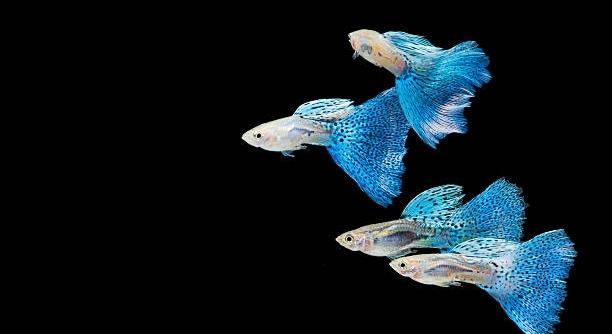
Guppies are known for their vibrant colors and flowing tails, making them a favorite in many aquariums. However, it can be concerning when their tails start to fall apart, signaling potential health issues.
The deterioration of your guppy’s tail can be caused by various factors, including poor water quality, fin rot, injury, or even stress. Identifying the underlying cause will help in providing the proper care to restore your guppy’s health.
By understanding the root cause, you can take steps to improve your guppy’s living conditions and prevent further damage to their tail.
Poor Water Quality
One of the most common reasons for your guppy’s tail falling apart is poor water quality. If the water conditions are not optimal, it can lead to stress and various health problems for your guppy. Ammonia, nitrites, and nitrates are common pollutants that can irritate the fish’s fins, causing them to deteriorate. Regular water changes and proper filtration are essential for maintaining a healthy environment for your guppy. Always test the water parameters to ensure they fall within the recommended ranges.
Even small changes in water quality can have a significant impact. Guppies are especially sensitive to these changes, and a sudden shift can cause their tails to become frayed or torn. By keeping the water clean and stable, you help prevent unnecessary stress and damage to their tails.
Testing water quality at regular intervals is an easy way to catch potential issues before they get worse. Ensure that you are using a reliable water testing kit, and act quickly if any readings fall outside of safe levels. Good water care can make a noticeable difference in your guppy’s tail condition.
Fin Rot
Fin rot is another common issue that affects guppies and causes their tails to break down. This bacterial infection can lead to decayed fins and, in severe cases, the loss of tail tissue. The bacteria that cause fin rot often thrive in poor water conditions, making it crucial to address any issues with water quality.
To treat fin rot, you’ll need to remove any infected fish immediately and place them in a quarantine tank. A broad-spectrum antibiotic can be used to treat the infection, but it’s also important to clean the tank thoroughly to prevent reinfection. Regularly maintaining your tank and ensuring the water is clean will help reduce the risk of fin rot and other bacterial infections in the future.
Injury or Trauma
Sometimes, a guppy’s tail may suffer damage due to accidental injury. This can happen if they are kept with more aggressive fish or come into contact with sharp objects in the tank. Injuries from nipping or scraping against tank decorations can cause the tail to tear or fall apart.
If you notice that your guppy’s tail is torn or ragged, check if any other fish are showing aggressive behavior. Consider separating them to avoid further harm. Be mindful of any sharp objects or rough decorations that could also cause injury. Providing a stress-free environment helps minimize the chance of accidental trauma.
To promote healing, ensure the water quality is pristine, and avoid moving the fish too much. If the injury doesn’t heal over time, consider placing the guppy in a separate tank with better conditions for recovery. Keep an eye on the tail to ensure there is no infection.
Stress
Stress is another significant factor that can lead to tail deterioration in guppies. If your guppy is under constant stress, whether from incompatible tank mates, overcrowding, or fluctuating water parameters, it can cause their fins to deteriorate. Even minor stressors can take a toll on your guppy’s overall health, affecting their tail in the process.
To reduce stress, ensure that the tank is appropriately sized for the number of fish and that the water parameters remain consistent. Guppies also need plenty of hiding spots, especially when kept with more active or aggressive fish. By providing a peaceful and stable environment, you can help your guppy avoid the negative effects of stress.
Over time, a less stressed guppy will show signs of improved health, including the restoration of their tail. If your guppy continues to show signs of stress despite making these changes, further investigation into their tank setup may be necessary.
Poor Diet
A poor diet can also contribute to a guppy’s tail falling apart. If your guppy isn’t receiving the proper nutrients, its fins may weaken, becoming more prone to damage and deterioration. A balanced diet helps maintain strong, healthy fins.
Feeding your guppy a varied diet rich in vitamins and minerals supports their overall health. Offer high-quality flakes or pellets, along with occasional live or frozen food. Nutrient deficiencies can lead to weakened immune systems, making it harder for guppies to recover from stress or injuries. Proper feeding ensures they maintain healthy, vibrant tails.
Consider adding plant matter or specialized supplements to their diet, depending on the species. With the right nutrition, your guppy will be better equipped to fight off infections and keep its tail in good condition.
Water Temperature
Water temperature plays a crucial role in the health of your guppy’s tail. Guppies thrive in temperatures between 72°F and 82°F. Water that is too cold or too hot can stress the fish, leading to weakened fins and tails.
Maintaining the right water temperature will help your guppy stay healthy and active. A stable environment allows your fish to grow and recover more effectively from injuries or infections. Adding a heater to the tank can prevent temperature fluctuations, ensuring a constant, ideal range for your guppy’s well-being.
FAQ
What is fin rot, and how do I treat it?
Fin rot is a bacterial infection that causes the fins and tails of fish to deteriorate. It usually starts at the edges of the fins and causes the tissue to decay. To treat fin rot, isolate the affected guppy in a separate tank. Use an antibacterial medication and follow the dosage instructions carefully. Make sure the water is clean and that the temperature is stable to help the healing process. If the infection worsens, consult a veterinarian for additional treatment options.
Can water quality cause my guppy’s tail to fall apart?
Yes, poor water quality is one of the primary reasons for a guppy’s tail deteriorating. Ammonia, nitrites, and nitrates in the water can irritate the fish, weakening its fins and leading to fin rot. Regular water changes, proper filtration, and testing the water’s parameters are essential for maintaining a healthy environment for your guppy. By ensuring the water is clean and within the recommended range, you can prevent further damage to your guppy’s tail.
How can I prevent injury to my guppy’s tail?
Injury to your guppy’s tail can occur if they are housed with aggressive tank mates or if they come into contact with sharp objects in the tank. To prevent this, ensure that the tank is properly sized and that the fish are compatible with one another. Avoid placing any sharp or rough objects in the tank that could potentially cause injury. If your guppy’s tail is already injured, remove them from the tank with the aggressor and keep them in a clean, calm environment to promote healing.
What are the signs of stress in a guppy?
Stress in a guppy can be caused by various factors such as overcrowding, incompatible tank mates, poor water quality, or fluctuating water temperature. Signs of stress include faded colors, loss of appetite, hiding more than usual, and rapid breathing. If you notice these behaviors, assess your tank’s conditions. Addressing the source of stress, whether it’s tank overcrowding or aggressive fish, will help your guppy recover and prevent further harm to their tail.
How does a poor diet affect my guppy’s tail?
A poor diet can lead to weak immune systems and weakened fins, including the tail. Guppies need a balanced diet that includes high-quality flakes, pellets, and occasional live or frozen foods to stay healthy. Without proper nutrition, guppies are more vulnerable to infections, poor growth, and tail deterioration. Providing a varied diet ensures that your guppy receives all the necessary vitamins and minerals to maintain strong, healthy fins.
What is the ideal water temperature for guppies?
Guppies thrive in water temperatures between 72°F and 82°F. Water that is too cold can slow down their metabolism and immune system, while water that is too warm can stress them and lead to poor health. Maintaining a stable water temperature with the help of a heater ensures that your guppy’s body functions are optimal, which in turn helps keep their fins, including the tail, in good condition.
Can overcrowding cause tail damage in guppies?
Yes, overcrowding can lead to stress, aggression, and poor water quality, all of which can contribute to tail damage. When too many fish are in a tank, they may nip at each other’s fins, including the tails. Make sure to provide ample space for each fish in the tank and avoid housing aggressive species with peaceful ones. A well-maintained tank with proper filtration and water changes will reduce the risk of overcrowding-related issues.
How can I help my guppy recover if its tail is falling apart?
If your guppy’s tail is deteriorating, the first step is to check the water quality and ensure it is optimal. Remove any aggressive tank mates and provide a stress-free environment. If the tail shows signs of infection, consider isolating the guppy and treating it with appropriate medications for fin rot or other bacterial infections. Ensure a balanced diet to support the guppy’s immune system and provide a stable water temperature for faster recovery.
Is it normal for guppies to lose tail tissue as they age?
As guppies age, they may experience some wear and tear on their tails due to normal movement or slight injuries. However, significant tail deterioration or tissue loss is not typically a result of aging. If you notice rapid tail damage or decay, it is likely due to underlying issues such as fin rot, poor water quality, or stress. Regular maintenance and monitoring of the tank conditions can help prevent accelerated damage.
Can stress from tank mates cause tail damage in guppies?
Yes, stress caused by aggressive or territorial tank mates can result in tail damage. Guppies are peaceful fish and may suffer from stress when housed with more aggressive species. This stress can lead to weakened immune systems and more susceptibility to infections like fin rot. To avoid this, choose tank mates that are known to be compatible with guppies and provide plenty of hiding spots for them to retreat if needed. Reducing stress will help maintain the health of their tails.
Final Thoughts
When your guppy’s tail starts to fall apart, it’s important to consider the potential causes so you can take appropriate action. From poor water quality and stress to injury or nutritional deficiencies, several factors can lead to tail deterioration. The first step in addressing the issue is to assess your guppy’s environment. Ensuring that the water is clean, stable, and at the proper temperature can help prevent further damage. Regular water changes and proper filtration are essential for maintaining a healthy tank.
In addition to water quality, tank conditions play a significant role in your guppy’s overall health. If your guppy is living with aggressive tank mates, it could lead to injury or constant stress, both of which contribute to tail damage. Providing enough space, hiding spots, and choosing compatible tank mates can help reduce aggression and stress. A peaceful environment is crucial for your guppy to thrive and heal if necessary. Make sure your tank is appropriately sized, and avoid overcrowding, which can also affect water quality and fish behavior.
Lastly, a balanced diet is essential for your guppy’s recovery and long-term health. Poor nutrition weakens the immune system, making guppies more susceptible to infections like fin rot and other issues that can affect their tails. Ensure your guppy receives a diet rich in essential nutrients, including vitamins and minerals. A variety of high-quality food options will support their health and help prevent further deterioration. By focusing on water quality, a peaceful tank environment, and proper nutrition, you can help your guppy heal and keep its tail healthy in the future.

Hello,
If you enjoy the content that we create, please consider saying a "Thank You!" by leaving a tip.
Every little bit helps us continue crafting quality advice that supports the health, happiness, and well-being of pets around the world, for pets of all shapes, sizes, and species.
We really appreciate the kindness and support that you show us!