
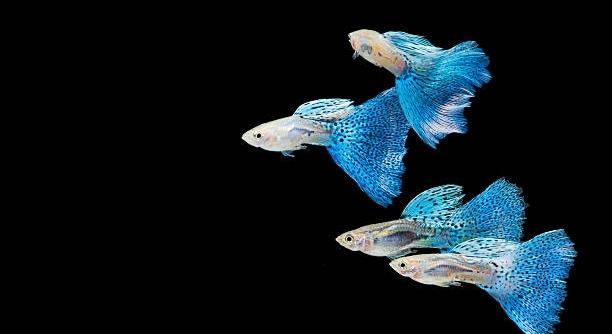
Guppies are popular aquarium fish, known for their bright colors and lively nature. However, noticing a bent tail in your guppy can be concerning for any owner. Understanding why this happens is essential for proper care.
A bent tail in your guppy is often a result of physical injury, poor water quality, or health conditions like fin rot. It can also occur due to environmental stress or even genetic factors. Each cause requires a different approach for correction.
By addressing these issues early, you can ensure your guppy stays healthy and happy. Keep reading to learn about the seven most common reasons for a bent tail and how to fix them.
Poor Water Quality
One of the most common reasons for a guppy’s tail to bend is poor water quality. Guppies are sensitive to their environment, and even small changes in water conditions can cause stress. High ammonia, nitrites, and nitrates levels can harm their fins and cause them to bend or fray. Inadequate filtration, overcrowding, and infrequent water changes contribute to poor water quality. Guppies require clean, well-maintained water to stay healthy and thrive.
Test your aquarium water regularly to ensure it meets safe levels. Ammonia and nitrite levels should be 0 ppm, and nitrate levels should stay below 20 ppm. If the water quality is poor, perform water changes immediately, ideally 25-30% every week. Use a reliable water test kit to monitor and maintain water quality in your tank.
When the water quality improves, your guppy’s tail may straighten out over time. However, if you notice persistent bending, it may be a sign of an underlying health issue. Regular maintenance is key to keeping your fish safe and happy.
Physical Injury
Injuries from sharp objects in the tank, tank mates, or rough handling can cause a guppy’s tail to bend. Even minor scrapes or bruises can lead to deformities if not treated properly. A bent tail is often a sign of trauma from a physical accident.
If you suspect injury, check your tank for any hazards like rocks, plastic decorations, or tank mates that might be too aggressive. Make sure your guppy has a peaceful environment where they can avoid stress and injury. A recovery tank with cleaner water and fewer distractions can help.
If the injury is severe, or the tail doesn’t improve, a visit to the vet might be necessary. They may suggest treatments like antibiotics to prevent infection and aid healing. Ensuring that there are no sharp or dangerous objects in your tank can help prevent further injury.
Fin Rot
Fin rot, a bacterial infection, can cause your guppy’s tail to bend or become deformed. It often occurs when water quality is poor or the fish is stressed. Left untreated, it can cause the tail to deteriorate. Early signs include a frayed, blackened, or ragged tail fin.
To treat fin rot, improve water quality, and remove any stress factors like overcrowding. Medications like antibiotics can help eliminate the infection. Isolate the affected fish in a separate tank to prevent it from spreading to other fish in the aquarium.
Regularly monitor your fish for any signs of fin rot. Ensuring your guppy is eating well and maintaining proper tank conditions can help prevent future infections. A healthy environment is essential for healing and long-term recovery.
Stress
Stress is another common factor that can cause a guppy’s tail to bend. Factors like aggressive tank mates, overcrowding, or constant disturbances in the tank can lead to physical changes in your guppy. Stress weakens their immune system and affects their overall health.
If you notice stress-related behavior in your guppy, it’s important to create a more peaceful environment. Ensure the tank has enough space for each fish and consider removing any overly aggressive companions. A stress-free environment helps to improve your guppy’s overall health and could straighten their tail.
Poor Diet
A poor diet can also lead to health issues, including a bent tail. Guppies need a balanced diet with a variety of nutrients to thrive. Without the proper vitamins and minerals, their fins and tails can become weak or deformed over time.
Feeding your guppy a high-quality fish food with a mix of protein, vitamins, and minerals is essential for their growth and overall well-being. Including occasional treats like brine shrimp or daphnia can improve their health and boost their immune system. A healthy diet helps prevent deformities and supports the healing of any existing issues.
Genetic Factors
Genetics can play a role in the bending of your guppy’s tail. Some guppies are born with tail deformities due to inherited traits. These deformities are not caused by environmental factors but are part of the guppy’s natural genetics.
While genetic deformities cannot be prevented, choosing healthy breeding stock can reduce the chances of such issues. If your guppy has a bent tail from birth, it’s not typically a cause for concern, as long as they are otherwise healthy and active.
FAQ
Why is my guppy’s tail bent?
A guppy’s tail may bend due to various factors. The most common causes include poor water quality, physical injury, stress, or fin rot. Each of these issues affects your guppy’s health in different ways. Injuries can result from rough handling, sharp objects, or aggressive tank mates. Poor water quality, like high ammonia or nitrite levels, can damage the tail and fins. Stress from overcrowding or aggressive tank mates also weakens a guppy’s immune system, leading to deformities. Lastly, fin rot can cause tail bending, especially if not treated promptly.
How do I fix my guppy’s bent tail?
To address a bent tail, you need to identify the underlying cause. First, check the water quality and perform necessary water changes if ammonia or nitrite levels are too high. Remove any sharp objects in the tank that could cause injury. If the cause is injury, keep your guppy in a separate tank with clean, calm water. If fin rot is the issue, use antibiotics as directed by a vet or aquarium specialist. Ensuring a stress-free, clean environment can also help your guppy recover and prevent future tail bending.
Can guppies recover from a bent tail?
Yes, guppies can recover from a bent tail, but the recovery depends on the cause. If the issue is related to poor water quality, once you improve the water conditions, the tail may gradually straighten. For injuries or fin rot, with proper treatment and care, your guppy’s tail can heal. However, if the tail bending is due to genetic factors or severe trauma, the tail may not return to its original shape. Keeping your guppy in a healthy environment with proper nutrition and water quality can help the healing process.
Is tail bending contagious to other fish?
In general, tail bending itself is not contagious. However, if the issue is caused by a bacterial infection like fin rot, it can spread to other fish in the tank. If you suspect fin rot or another contagious issue, it’s best to isolate the affected guppy and treat the tank with appropriate antibiotics or treatments. Ensuring proper tank hygiene and water quality can help prevent the spread of infections.
How can I prevent my guppy’s tail from bending?
To prevent tail bending, maintain optimal water quality in the tank by regularly checking ammonia, nitrite, and nitrate levels. Perform frequent water changes to keep the environment clean. Avoid overcrowding the tank and remove any sharp or dangerous objects that could injure your guppy. Provide a balanced diet with necessary nutrients to support healthy fin growth. Additionally, minimize stress by keeping compatible tank mates and maintaining a peaceful tank environment.
Can my guppy’s bent tail straighten on its own?
If the cause of the bent tail is linked to poor water quality or stress, improving the tank conditions can allow the tail to straighten over time. However, if the tail bending is due to injury, fin rot, or genetic factors, it may not fully straighten. Treatment for the specific cause is often required for recovery. Keeping a stress-free, clean environment can aid in the healing process, but some deformities may remain permanent.
What should I do if my guppy’s tail is frayed or looks damaged?
If your guppy’s tail is frayed or damaged, the most likely cause is fin rot or injury. If you suspect fin rot, improve the water quality and remove any potential sources of stress. Use antibiotics or treatments recommended for fin rot. If the damage is caused by injury, remove any sharp objects in the tank and consider isolating the fish to a separate tank to aid recovery. Regularly check the condition of the tail and monitor for any signs of infection, such as redness or further fraying.
Can other fish cause my guppy’s tail to bend?
Yes, aggressive tank mates can contribute to a guppy’s tail bending. If other fish are chasing, nipping, or bullying your guppy, this could lead to physical damage or stress. Some species, especially fin-nipping fish like certain tetras or barbs, can cause harm to your guppy’s tail and fins. If you notice aggression in your tank, consider separating the aggressive fish or rearranging the tank to reduce stress. Providing hiding spots and plants can also help your guppy feel safe.
Should I isolate my guppy with a bent tail from other fish?
If the tail bending is due to injury or an infection like fin rot, isolating the affected guppy is a good idea. This helps to prevent further stress and protects other fish from potential infections. A separate, clean quarantine tank will provide a more controlled environment for recovery. However, if the cause of the bent tail is simply stress from tank mates, isolating the fish may not be necessary if the stress factors can be addressed in the main tank.
How do I know if my guppy’s tail is bent due to genetic reasons?
If your guppy has a bent tail from birth and there is no apparent injury, infection, or stress, it may be due to genetic factors. Some guppies are born with tail deformities as part of their natural genetics. These deformities are typically not harmful unless they affect the guppy’s overall health. If your fish is eating well, swimming normally, and showing no signs of illness, the bent tail may just be a result of genetics. If you plan to breed, consider the health of the breeding pair to avoid passing on genetic issues.
Final Thoughts
A bent tail in your guppy can be concerning, but it’s important to understand that there are several possible causes, from poor water quality to injury or even stress. In many cases, the issue can be resolved with a little attention to the tank’s environment and the fish’s health. Identifying the root cause is the first step toward finding the right solution. By maintaining clean water, providing a stress-free environment, and offering a balanced diet, you can help your guppy recover and prevent future problems.
If you suspect a bacterial infection like fin rot, it’s essential to act quickly. Using the proper treatment and isolating the affected fish can help limit the spread to other tank mates. Regular water testing and tank maintenance are also crucial to ensure that your fish remain healthy. Keeping an eye on the behavior and appearance of your guppy, especially if they show signs of stress or discomfort, allows you to intervene early and address potential health issues before they get worse.
Sometimes, despite your best efforts, a bent tail may be due to genetic factors or irreversible damage. However, with proper care, even fish with permanent deformities can live long, happy lives. The key is to ensure that they are well-fed, in a clean environment, and not subjected to any further stress or injury. Always remember that each guppy is unique, and understanding their individual needs will help you provide the best care possible. Taking these steps will give your fish the best chance to thrive in a healthy and supportive tank.

Hello,
If you enjoy the content that we create, please consider saying a "Thank You!" by leaving a tip.
Every little bit helps us continue crafting quality advice that supports the health, happiness, and well-being of pets around the world, for pets of all shapes, sizes, and species.
We really appreciate the kindness and support that you show us!