
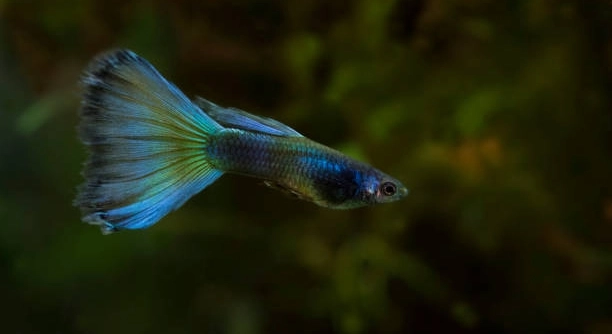
Fast-moving gills in your guppy may indicate something beyond just excitement. It’s important to understand why this happens for their well-being. There are several factors that can cause increased gill movement in guppies.
Increased gill movement in guppies is often a response to stress or changes in their environment. Factors like poor water quality, low oxygen levels, or high temperature can all trigger faster gill movement.
Understanding the reasons behind this behavior can help you maintain a healthier tank environment for your guppy.
Poor Water Quality
Water quality is one of the most common reasons for rapid gill movement in guppies. Polluted or unclean water can stress your guppy, leading to difficulty breathing. Ammonia, nitrites, and nitrates are harmful substances that build up in the tank if not properly maintained. In such an environment, your guppy’s gills may move faster to get more oxygen, even if the water quality isn’t ideal.
If you haven’t been doing regular water changes or monitoring the tank’s chemical levels, it’s time to start. Keeping water clean and within safe parameters is crucial to your guppy’s health. Test the water for ammonia, nitrites, and nitrates, ensuring they remain at safe levels.
Incorporating a good filtration system and performing regular water changes can make a significant difference. This will not only ease the strain on your guppy’s gills but also improve their overall health. The right water conditions will promote a more peaceful and stable environment, which will reduce the stress that causes rapid gill movement.
Low Oxygen Levels
When oxygen levels in the water drop, guppies will often increase their gill movement. If oxygen isn’t readily available, they must work harder to breathe.
Proper aeration in your tank is essential to ensure that your guppy has access to sufficient oxygen. Oxygen levels can decrease due to poor water circulation or excessive algae growth, which consumes oxygen. To fix this, ensure your tank is equipped with a good filter and an air pump to keep the water well-aerated.
In addition, it is important to monitor the tank’s stocking density. Overcrowding can contribute to low oxygen levels. Adding more plants to the tank can help increase oxygen levels as well, as plants naturally release oxygen during the day. By adjusting these factors, you can create a healthier environment for your guppy.
High Water Temperature
Warm water holds less oxygen, which can lead to faster gill movement. Guppies prefer water temperatures between 72-82°F (22-28°C). If the water is too warm, their breathing rate will increase as they struggle for more oxygen.
To manage temperature, use a reliable heater and thermometer. Avoid placing the tank near direct sunlight or heat sources, as this can raise the water temperature unexpectedly. If the temperature is too high, reduce it gradually using a cooling fan or by adjusting the heater. Keeping it within the ideal range ensures your guppy is more comfortable.
Monitoring the tank’s temperature is a key part of their overall well-being. Sudden shifts in water temperature can cause stress, so always make changes slowly. A stable environment keeps guppies calm, allowing them to breathe more easily and move their gills at a normal rate.
Stress and Anxiety
Stress is a significant factor in rapid gill movement. A sudden change in tank conditions, such as introducing new fish or rearranging decorations, can cause anxiety. Stress can also arise from poor tank mates or insufficient hiding spots for the guppy.
To minimize stress, ensure the guppy is kept with peaceful companions. Avoid overcrowding, as too many fish in the tank can increase tension. Provide plenty of plants, decorations, and caves for hiding. This creates a more secure environment, giving your guppy space to retreat when feeling threatened.
Another way to reduce stress is by sticking to a consistent feeding schedule. Overfeeding or sudden changes in the diet can add to the anxiety. By providing stability in their surroundings, you help lower their stress levels and prevent rapid gill movement.
Poor Diet
A poor or unbalanced diet can also lead to fast gill movement. If a guppy is not getting the right nutrients, it may become stressed, causing rapid gill movement as it struggles to breathe.
Ensure your guppy is eating a varied diet, including high-quality pellets and occasional live or frozen foods. A lack of essential vitamins and minerals can weaken your fish’s immune system, making it more susceptible to stress.
Adding supplements like spirulina or daphnia can help provide necessary nutrients. Feeding a variety of foods ensures that your guppy is getting everything it needs to thrive.
Illness or Infection
Health issues like gill disease or parasitic infections can cause increased gill movement. If your guppy is sick, it may breathe heavily as it struggles to get enough oxygen.
Keep an eye out for other signs of illness, such as discoloration or lethargy. If your guppy shows symptoms of infection, it’s important to separate it from other fish to prevent spreading. Consult with a vet or aquarist to identify the condition and begin treatment.
Poor Tank Conditions
Unstable tank conditions such as fluctuating pH levels or high water hardness can trigger fast gill movement. If your guppy’s tank isn’t properly maintained, it may react to these changes with increased gill activity.
Regularly monitor your tank’s pH, hardness, and other parameters. Use water conditioners to keep the environment stable. This ensures the fish’s gills don’t overwork in trying to breathe.
FAQ
Why are my guppy’s gills moving rapidly?
Rapid gill movement in guppies usually signals stress or difficulty breathing. Common causes include poor water quality, low oxygen levels, high water temperature, stress, illness, or poor diet. To help your guppy, start by assessing the water conditions and temperature. Also, check if the fish is stressed due to overcrowding or incompatible tank mates.
Can high water temperature affect my guppy’s breathing?
Yes, high water temperatures can lead to lower oxygen levels in the tank, causing your guppy to breathe faster. When the water is too warm, the oxygen they need becomes less available, so they try to compensate by moving their gills more quickly. It’s important to maintain a stable water temperature between 72-82°F (22-28°C) for optimal health.
How can I check if my guppy is stressed?
Signs of stress in guppies include rapid gill movement, hiding, loss of color, or erratic swimming behavior. Stress can result from poor water quality, overcrowding, sudden environmental changes, or aggressive tank mates. If your guppy is exhibiting these behaviors, evaluate the tank setup and environment for any potential stressors.
What is the best way to improve water quality in my guppy tank?
To improve water quality, perform regular water changes of 20-30% weekly. Test the water for ammonia, nitrites, and nitrates to ensure they are within safe levels. Install a reliable filtration system, and avoid overfeeding to prevent food waste buildup. Keep the tank free from debris and organic matter, and use a water conditioner if needed.
Can low oxygen levels cause my guppy to breathe fast?
Yes, low oxygen levels can cause guppies to breathe faster. If the water isn’t properly aerated, guppies may have difficulty obtaining enough oxygen, leading to faster gill movement. To improve oxygen levels, add an air pump or ensure the filtration system provides proper water circulation. Adding live plants can also help oxygenate the water.
What are the signs of illness in a guppy?
Signs of illness in guppies include rapid gill movement, loss of color, lethargy, or difficulty swimming. You may also notice physical changes like spots, lesions, or abnormal growths. If your guppy is sick, it’s essential to isolate it from other fish to prevent spreading the illness. Consult with an aquarium professional to diagnose the problem.
How can I prevent overfeeding in my guppy tank?
Overfeeding is a common problem that can lead to poor water quality and health issues for your guppies. To avoid this, feed your guppy small amounts two to three times a day. Only give them as much food as they can consume within a few minutes. Remove any uneaten food promptly to maintain water quality.
How do I know if my guppy has a parasite?
Guppies with parasites may show symptoms like rapid gill movement, scratching against objects, visible spots on the skin, or clamped fins. If you suspect your guppy has a parasite, isolate it from other fish and consider treating the tank with an anti-parasitic medication. Consulting a vet or aquatic specialist is recommended for proper treatment.
What should I do if my guppy’s gills are moving fast due to stress?
If your guppy’s gills are moving quickly due to stress, the first step is to identify the stressor. Check the water parameters, remove any aggressive tank mates, and ensure the tank is not overcrowded. Create a peaceful, stable environment with plenty of hiding places. Reducing stress will help slow down their gill movement.
Can I use a water heater to regulate my guppy’s tank temperature?
Yes, a water heater is an effective tool for regulating your guppy’s tank temperature. It’s important to maintain the water within the ideal range of 72-82°F (22-28°C). Use a reliable thermometer to monitor the water temperature, and adjust the heater accordingly. Avoid drastic temperature changes, as they can stress your guppy.
Final Thoughts
Fast gill movement in guppies can indicate several underlying issues, from poor water quality and high temperatures to stress or illness. Understanding the possible causes allows you to address the problem effectively. The key is to keep the environment stable and healthy, focusing on water quality, temperature, and the overall well-being of your guppy. Regular maintenance and careful observation will help you identify any changes in behavior before they become more serious.
Providing a balanced diet, ensuring proper oxygen levels, and creating a stress-free environment are the main steps in keeping your guppy healthy. Stress, in particular, is one of the most common reasons for rapid gill movement. Avoid overcrowding, offer plenty of hiding spots, and monitor the interactions between tank mates. This will go a long way in maintaining a peaceful and healthy tank.
If you notice persistent or severe gill movement, it’s important to check for potential illnesses, infections, or other health issues. Early detection and treatment are crucial for preventing further complications. By maintaining good water quality, stable temperatures, and proper care, you can ensure your guppy remains healthy and happy. Regular checks and adjustments will help keep your guppy’s gills moving at a normal rate, allowing them to thrive in their aquatic home.

Hello,
If you enjoy the content that we create, please consider saying a "Thank You!" by leaving a tip.
Every little bit helps us continue crafting quality advice that supports the health, happiness, and well-being of pets around the world, for pets of all shapes, sizes, and species.
We really appreciate the kindness and support that you show us!