
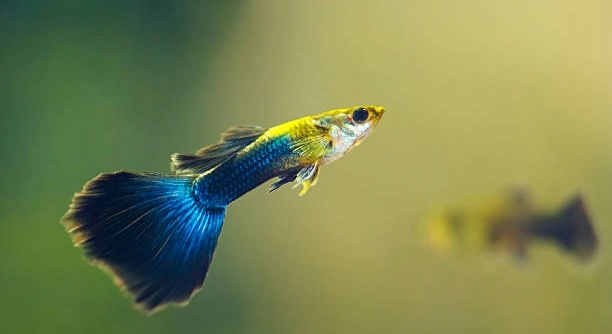
Guppies are popular pets known for their vibrant colors, but sometimes, their beautiful hues may start to fade. It’s not uncommon for pet owners to notice this change and wonder why it’s happening.
Color fading in guppies can result from several factors, such as poor water quality, inadequate diet, stress, or even genetics. Addressing these issues can help restore your guppy’s health and bring back its brilliant colors.
Understanding these causes and their solutions will help you ensure your guppy’s well-being. Keeping your fish healthy and vibrant requires some attention and care, but it’s worth the effort.
Poor Water Quality
Water quality plays a huge role in your guppy’s color. Dirty water or water with improper levels of pH, ammonia, or nitrates can stress your fish. Guppies are sensitive to their environment, and when water conditions aren’t ideal, it can affect their health and appearance. If the water is too harsh, your guppy may show signs of fading colors or even become lethargic.
A proper filtration system and regular water changes can help maintain a clean environment for your fish. It’s important to test the water regularly and make sure it falls within the right parameters. Keeping your guppy’s tank clean is essential to keeping them vibrant and healthy.
To avoid sudden color fading, make sure the water is stable. A sudden change in temperature or water chemistry could shock your fish and cause stress. Consistency is key when it comes to maintaining water quality for your guppy’s well-being and color retention.
Inadequate Diet
Your guppy’s diet plays a significant role in its overall health. Guppies require a balanced diet rich in nutrients to maintain their vibrant colors. If their food lacks essential vitamins and minerals, they may lose some of their brightness. A healthy, varied diet can improve your guppy’s appearance and keep it active.
Feeding your guppy a mix of high-quality fish flakes, live or frozen foods like brine shrimp or daphnia, and occasional vegetable matter can ensure they get the proper nutrients. A well-rounded diet will help bring out their natural colors and prevent fading.
It’s crucial not to overfeed, as too much food can pollute the water, further affecting their health. Providing a proper diet and keeping the tank clean are both necessary to maintain the vibrancy of your guppy.
Stress
Stress is a common cause of color fading in guppies. Factors like overcrowding, sudden changes in water temperature, and poor tank mates can create stress for your fish. When stressed, guppies may not display their usual bright colors, and may even become less active.
Maintaining a peaceful environment is crucial. Avoid placing aggressive or overly active fish in the same tank as your guppy. Ensure the tank has enough space for each fish to swim comfortably. If your guppy is constantly stressed, it could negatively affect its health and appearance.
Guppies are delicate creatures, and keeping their surroundings stable is key. It’s also important to monitor their behavior closely. If your guppy is hiding or showing other signs of distress, take immediate action to address the cause. Once stress is reduced, your guppy should regain its vibrant colors over time.
Genetics
Genetics play a significant role in the color of your guppy. Some guppies are simply born with lighter or less intense coloring, regardless of environmental conditions. Selective breeding has led to a variety of color patterns, but some fish may not show as much vibrancy.
If you’ve noticed that your guppy’s colors are dull from the start, it might be due to its genetic makeup. However, it’s important to remember that even genetically lighter guppies can appear more colorful with the right care. Proper nutrition and a healthy environment will help bring out their best traits.
Understanding the genetic limitations of your guppy can help set realistic expectations. It’s always nice to see a fish’s true potential, but some may just have naturally subtler hues. Nonetheless, providing the best care possible can still keep them healthy and happy.
Age
As guppies age, their colors can naturally fade. Older guppies might not have the same bright, vivid appearance they had when they were younger. This change is a normal part of their life cycle.
You may notice the fading color in older guppies, especially if they’ve been living for a long time. As they age, their ability to produce vibrant pigments diminishes. While this is natural, ensuring they live in the best conditions can help them maintain their color for as long as possible.
A well-maintained tank with good water quality and a proper diet can help your older guppy stay vibrant longer, but fading over time is unavoidable.
Illness
Illness can cause your guppy’s color to fade. Infections, parasites, or internal issues may stress the fish and cause a loss of color. If you notice other symptoms, such as reduced activity or unusual swimming behavior, it could be a sign of illness.
To keep your guppy healthy, check for signs of disease regularly. Prompt treatment of illnesses like fin rot or external parasites can help restore your guppy’s color. Quarantining sick fish can prevent the spread of illness to others in the tank. Keeping the water clean and maintaining a healthy environment can also help prevent health issues.
Lighting
Lighting plays an important role in how your guppy’s colors appear. Sometimes, the intensity or type of light can make their colors look duller than they actually are. Bright or harsh lighting can cause fading and stress, while soft, natural light can help bring out their true colors.
Guppies thrive in moderate light conditions. Too much direct sunlight or bright artificial lighting can stress your fish, leading to a color change. Ensure your aquarium light is set to a proper schedule—too much light can be harmful, while too little can make your guppy’s colors appear less vibrant.
FAQ
Why is my guppy’s color fading even though the water seems fine?
Sometimes, even with good water quality, your guppy’s color can fade due to other factors like stress, diet, or genetics. Stress can come from poor tank mates, overcrowding, or fluctuations in water temperature. Diet also plays a crucial role; a lack of proper nutrients can make their colors appear dull. You may want to check their food quality and ensure they are receiving a balanced diet with enough vitamins and minerals. If everything else seems in order, it’s possible that your guppy’s fading color is due to its natural genetic makeup.
How often should I change the water to prevent color fading?
Water changes are essential to maintaining a healthy environment for your guppy. Changing 25-30% of the tank water every 1-2 weeks is ideal. This will keep the water clean, remove excess toxins, and maintain the proper pH levels. Regular water changes reduce the risk of water quality issues, which can contribute to color fading. If you have a heavily stocked tank, you might need to change the water more often to keep it fresh and clear.
Can poor water temperature affect my guppy’s color?
Yes, water temperature is a major factor in your guppy’s well-being and color. Guppies are tropical fish, so they need warm water between 72°F and 82°F (22°C to 28°C) to stay healthy. Temperatures outside this range can cause stress and impact their coloration. If the water is too cold, your guppy may lose its color and become lethargic. On the other hand, water that’s too hot can also stress your guppy and lead to similar effects. Consistent, moderate temperature is key to maintaining their vibrant colors.
Can guppies lose color as they get older?
Yes, as guppies age, they may naturally lose some of their vibrant colors. Older guppies tend to have less intense coloring, and their overall appearance might appear more faded compared to when they were younger. While this is a natural process, providing a healthy environment with proper care can help slow down the fading process. A balanced diet, clean water, and minimal stress can help keep older guppies as colorful as possible.
Can guppy colors fade if they’re kept with other types of fish?
Yes, certain tank mates can cause stress to your guppy, which may lead to fading colors. Aggressive fish can chase or nip at your guppy, which can be stressful. Guppies prefer calm, peaceful tank mates that won’t stress them out. Overcrowding is another issue that can cause stress and result in faded colors. It’s best to choose compatible species that won’t intimidate or harm your guppy, allowing them to thrive in a peaceful environment.
Does lighting affect my guppy’s color?
Yes, lighting can play a significant role in how your guppy’s colors appear. Intense or harsh lighting can cause the colors to fade or make them appear dull. On the other hand, low or inadequate lighting can make their natural colors seem less vibrant. To highlight your guppy’s bright colors, it’s best to provide moderate, indirect lighting. You can also use an aquarium light with a color temperature that mimics natural sunlight. This will enhance their appearance and prevent unnecessary stress caused by overly bright lights.
Can I help my guppy regain its color?
If your guppy’s color has faded due to stress, illness, or poor water quality, restoring its environment can help bring back its vibrant hues. Start by checking the water quality regularly and ensuring it’s within the ideal range. If stress is a factor, try to reduce overcrowding and introduce peaceful tank mates. A healthy, varied diet will also help improve your guppy’s coloration. If the fading is caused by illness, quarantining sick fish and treating the problem promptly will help your guppy recover. Make sure you provide a stable and stress-free environment for the best results.
Is it normal for my guppy’s color to change over time?
Yes, it’s normal for guppies to change color over time. Some may start with bright colors and gradually become more muted as they age. Others may experience temporary changes due to environmental factors like water quality, stress, or illness. Genetics also play a role in how guppies’ colors develop, and sometimes, they may display different colors during their lifetime. These changes are typically harmless, but if you notice dramatic shifts, it’s a good idea to check their tank conditions and overall health.
Can I use supplements to improve my guppy’s color?
There are supplements available that claim to enhance the colors of aquarium fish, including guppies. These often include carotenoids, which are pigments that help boost color intensity. While supplements can help improve color in some cases, they should be used carefully. Relying solely on supplements without addressing underlying issues like poor water quality or stress may not yield long-term results. A balanced diet with high-quality foods is the best way to maintain your guppy’s vibrant colors. Supplements can be used as an addition, but they shouldn’t be the primary solution.
Why is my guppy’s tail turning colorless?
A colorless or pale tail could be a sign of poor water conditions, stress, or illness. If the water is unclean or has high levels of ammonia or nitrates, your guppy’s tail and body may lose color. Similarly, if your guppy is stressed due to tank mates or environmental factors, it might exhibit faded or damaged fins. Check the water quality and ensure it is suitable for your fish. Also, consider the tank’s temperature and light conditions. If the problem persists, monitor your guppy for signs of illness or injury and seek treatment if necessary.
Final Thoughts
It’s important to remember that guppies are sensitive creatures, and their color fading can often be a sign of underlying issues. The most common reasons behind this include poor water quality, inadequate diet, stress, and sometimes even natural aging. Understanding what’s causing the color loss can help you take the right steps to restore your guppy’s vibrancy. Regular water changes, proper filtration, and a stable tank environment are key to keeping your guppy happy and healthy. Monitoring these factors and adjusting them as needed will go a long way in improving your fish’s appearance and well-being.
In addition to water quality, diet is another major factor that affects the color of your guppy. Feeding your fish a well-balanced diet that includes high-quality fish flakes, occasional live foods like brine shrimp, and some vegetable matter will ensure they get the necessary nutrients. Guppies need a variety of vitamins and minerals to maintain their colors. Poor nutrition can result in dull colors, so it’s essential to avoid feeding them just one type of food. A healthy, varied diet supports their overall health and helps keep their colors vibrant.
Finally, remember that guppies can be prone to stress, which can also lead to fading. Overcrowding, aggressive tank mates, or sudden changes in their environment can make them feel unsafe and stressed. This stress can cause their colors to fade and even impact their health. Providing a peaceful, well-maintained tank with the right temperature and lighting is essential for minimizing stress. By paying attention to your guppy’s needs and ensuring their environment is clean and stable, you can help them maintain their natural colors and overall health for a longer time.

Hello,
If you enjoy the content that we create, please consider saying a "Thank You!" by leaving a tip.
Every little bit helps us continue crafting quality advice that supports the health, happiness, and well-being of pets around the world, for pets of all shapes, sizes, and species.
We really appreciate the kindness and support that you show us!