
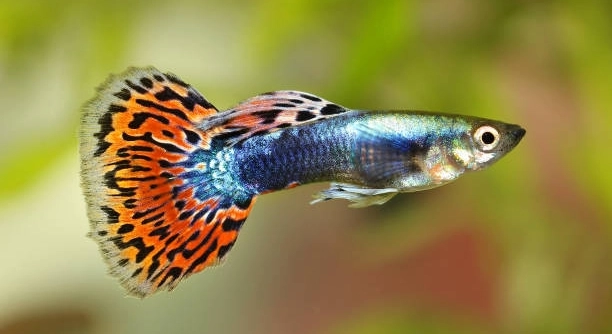
If you notice your guppy’s belly looking swollen, it might be concerning. Swollen bellies are often a sign of various issues, some of which may require attention. Understanding the reasons behind this can help you take the right action.
Swelling in a guppy’s belly is commonly caused by overfeeding, constipation, pregnancy, or health conditions like dropsy. It’s important to identify the root cause to determine whether medical care or adjustments in diet and tank environment are needed.
Addressing this issue quickly can help your guppy stay healthy and happy. Keep reading to learn more about the seven possible causes of a swollen belly in guppies.
Overfeeding Your Guppy
One of the most common reasons for a swollen belly in guppies is overfeeding. If your guppy consumes too much food, its digestive system can become overloaded. Guppies have small stomachs, and overfeeding can lead to constipation and bloating. When this happens, their bellies become visibly larger and puffier. This issue is often worsened by feeding them too frequently or giving them large portions of food.
Overfeeding can also lead to poor water quality in the tank, as uneaten food starts to decompose. The waste builds up and creates harmful toxins in the water. These toxins can further stress the guppy, making them more susceptible to other health problems.
To prevent overfeeding, be sure to only offer small amounts of food your guppy can finish in a few minutes. This keeps their digestive system healthy and ensures the water remains clean.
Pregnancy
Pregnancy is another reason why your guppy’s belly may swell. Female guppies often develop a noticeable bulge when they are carrying fry. As the pregnancy progresses, the belly becomes more distended as the fry grow inside. This is a natural process, and there’s nothing to worry about as long as the guppy is still active and eating normally.
Female guppies can store sperm from previous mating sessions, so even if there’s no male guppy in the tank, she can still become pregnant. The pregnancy typically lasts around 28 days, but it can vary. Once the guppy is ready to give birth, the belly will become noticeably large and the fish will often seek out a secluded spot in the tank.
If you suspect pregnancy, it’s a good idea to add some plants or hiding spaces in the tank to give the guppy a place to give birth in peace. Keep the water conditions stable to help her remain comfortable.
Constipation in Guppies
Constipation is a common issue for guppies, and it can lead to bloating and swelling in their bellies. When a guppy is constipated, food can’t pass through its digestive system properly. This causes the stomach area to look puffed up or swollen. Constipation can be caused by several factors, including a poor diet, inadequate water conditions, or even stress.
Feeding your guppy a diet rich in fiber can help prevent constipation. High-quality flake food, live foods like brine shrimp, and occasional vegetables such as zucchini can provide the necessary fiber. Additionally, make sure the water temperature is warm enough for your guppy to digest food properly.
If your guppy is severely constipated, it may stop eating or appear lethargic. In this case, you may need to adjust their diet and water quality, and provide a bit more variety in their meals. Adding a salt bath can sometimes help with mild constipation.
Dropsy in Guppies
Dropsy is a serious condition that can cause swelling in a guppy’s belly. It’s usually a sign of an internal problem, such as a bacterial infection or organ failure. In dropsy, the fish’s body fills with fluid, causing extreme bloating. This condition is not always treatable and may require special care.
When a guppy has dropsy, you’ll typically notice not only swelling but also a pinecone-like appearance where the scales protrude outward. Other symptoms include lethargy, loss of appetite, and unusual swimming patterns. This condition is often accompanied by other signs of illness, like cloudy eyes or rapid gill movement.
Dropsy can spread quickly in a tank, so it’s crucial to quarantine the affected guppy immediately. You might also need to treat the fish with antibiotics or other medication. Unfortunately, dropsy can be fatal if left untreated. To prevent it, maintaining good water quality and a stress-free environment is essential.
Internal Parasites
Internal parasites can also cause a swollen belly in guppies. These parasites live inside the fish and can cause digestive issues. The bloating occurs because the parasites create blockages or damage to the internal organs. As a result, the fish may become lethargic and stop eating.
If your guppy’s belly is swollen due to parasites, you’ll often see other signs, such as weight loss or pale skin. The fish may appear sluggish or spend more time at the bottom of the tank. Infected guppies may also lose their appetite or have difficulty swimming.
Treating internal parasites requires special medication, which can be added to the water. These medications target the specific type of parasite causing the issue. To prevent future infections, maintain a clean tank environment and avoid overfeeding, as this can weaken your fish’s immune system. Regular water changes and good filtration can help keep parasites at bay.
Poor Water Quality
Poor water quality is a major cause of many health issues in guppies, including a swollen belly. When ammonia, nitrites, or nitrates build up in the tank, they stress the fish, affecting their digestive systems. This stress can result in bloating or swelling, especially if the water is not regularly changed.
To prevent this, you should maintain proper water parameters. Regular water changes, proper filtration, and water testing kits can help ensure the water remains healthy for your guppies. Make sure the tank temperature is suitable, and avoid overstocking your aquarium, as crowded conditions can increase stress and contribute to water quality issues.
Additionally, keep an eye on the pH levels and hardness of the water, as extreme changes in these can also cause swelling and other health problems. Healthy water helps your guppy thrive and reduces the risk of swelling or other complications.
Overcrowding in the Tank
Overcrowding can lead to stress, which in turn causes your guppy’s belly to swell. When too many fish are in the same tank, they can be exposed to poor water conditions, limited space, and increased competition for food. This can affect their overall health.
A stressed guppy is more likely to experience bloating or digestive issues. They may struggle to swim properly or may become more susceptible to infections. Keeping the tank properly stocked according to its size will help reduce stress and prevent swelling in your guppies.
Stress from Tank Mates
Stress caused by aggressive or incompatible tank mates can also result in swelling. Some fish may constantly chase or nip at the guppies, causing stress and making them more vulnerable to bloating. Aggression from other fish can lower their immune response, making them more likely to suffer from internal issues.
Be mindful of your guppy’s tank mates. If you notice bullying or constant chasing, consider rehoming the aggressor or adding more hiding spaces to reduce tension. Guppies do best in peaceful, balanced communities where each fish has enough space to thrive.
Incorrect Diet
Feeding your guppy an incorrect or unbalanced diet can lead to digestive problems, including bloating. Guppies need a variety of foods to maintain a healthy gut. A diet that’s too high in protein or lacks fiber can cause constipation, which results in a swollen belly.
To keep your guppy healthy, offer them a mix of high-quality flake food, live or frozen foods, and vegetables. Make sure the food is appropriate for their size and age. Avoid feeding them too much, as overeating can contribute to bloating and other health problems.
FAQ
Why is my guppy’s belly swollen and hard?
A swollen and hard belly in a guppy is a sign of a more serious health problem, such as dropsy. In this condition, the fish’s body fills with fluid, causing extreme bloating. You may also notice the scales on the guppy protruding, giving it a pinecone-like appearance. Dropsy can be caused by bacterial infections, organ failure, or poor water quality. If you notice these symptoms, it’s important to quarantine the affected guppy immediately and treat the tank with appropriate antibiotics. Unfortunately, dropsy is often fatal if left untreated, so acting quickly is essential.
How can I tell if my guppy is pregnant or just bloated?
It can be tricky to tell whether your guppy’s swollen belly is due to pregnancy or bloating. The key difference is that a pregnant guppy will usually have a darker spot near her belly (known as a gravid spot), which becomes more noticeable as the pregnancy progresses. If the bloating is not related to pregnancy, it may be caused by overfeeding, constipation, or other health issues. A pregnant guppy will also remain active, while a bloated guppy might become lethargic or show signs of distress. Monitoring her behavior and appearance closely can help you determine the cause.
Can overfeeding cause a swollen belly in my guppy?
Yes, overfeeding is one of the main causes of bloating in guppies. When a guppy eats too much, it can result in constipation or an overloaded digestive system, leading to a swollen belly. Overfeeding also contributes to poor water quality, as leftover food decays and increases ammonia levels, which further stresses the guppy. To avoid overfeeding, only give your guppy as much food as it can consume within a few minutes. It’s better to feed smaller amounts more frequently than to give large portions all at once.
What is the best diet for a guppy to avoid a swollen belly?
A balanced diet is crucial for keeping your guppy healthy and preventing a swollen belly. Offer a mix of high-quality flake food, live foods like brine shrimp, and occasional vegetables like spinach or zucchini. This variety helps maintain healthy digestion and provides necessary nutrients. Make sure to avoid feeding your guppy too much protein, as a high-protein diet can contribute to bloating and constipation. Additionally, always monitor the amount of food given to avoid overfeeding. Regularly change the water to maintain a clean environment for your guppy.
Is dropsy contagious to other guppies in the tank?
Yes, dropsy can be contagious. It is often caused by bacterial infections that can spread to other fish in the same tank. If you notice one of your guppies showing signs of dropsy, it’s important to remove it from the tank immediately and place it in quarantine. Treat the water in the tank with antibiotics to prevent the infection from spreading. Ensure that the rest of your fish are healthy and show no signs of illness. Regular water changes and maintaining proper water quality can help reduce the risk of disease transmission.
How can I treat my guppy’s swollen belly caused by constipation?
If your guppy’s swollen belly is caused by constipation, you can try a few methods to relieve the issue. First, reduce the amount of food you are offering, and focus on feeding fiber-rich foods like zucchini or peas. Some aquarium owners recommend giving their guppies a salt bath, which can help with digestion. Make sure the water temperature is warm enough for proper digestion. If the constipation persists, you may need to treat the guppy with medications that help relieve bloating and constipation. Always monitor the guppy’s behavior and water quality closely.
Can internal parasites cause a swollen belly in my guppy?
Yes, internal parasites can lead to a swollen belly in guppies. Parasites living in the gut can cause blockages or irritation, leading to bloating and discomfort. Other symptoms of internal parasites include weight loss, lethargy, and pale skin. To treat internal parasites, you may need to add medication specifically designed to target the parasites. It’s important to isolate the infected guppy to prevent the parasites from spreading. Maintaining good water quality and a healthy tank environment will help reduce the risk of parasitic infections.
What should I do if I suspect my guppy has dropsy?
If you suspect your guppy has dropsy, it’s important to act quickly. First, quarantine the affected fish in a separate tank to prevent the infection from spreading. You should also treat the tank with antibiotics designed to target bacterial infections. Dropsy often indicates a serious internal issue, so if the guppy’s condition does not improve or worsens, it may be necessary to humanely euthanize the fish. Always ensure that your tank has optimal water quality, as poor water conditions can contribute to dropsy and other health problems.
Can poor water quality cause a swollen belly in guppies?
Yes, poor water quality is one of the leading causes of health problems in guppies, including a swollen belly. When water conditions are not optimal, guppies can become stressed, which can lead to bloating or digestive issues. High levels of ammonia, nitrites, and nitrates can irritate their digestive systems, leading to constipation or swelling. Regularly check water parameters like pH, hardness, temperature, and ammonia levels to ensure the tank is suitable for your guppy. Regular water changes and proper filtration are key to maintaining a healthy environment for your fish.
How can I prevent my guppy from getting a swollen belly?
To prevent a swollen belly in your guppy, focus on maintaining a healthy and balanced environment. Feed your guppy the right amount of food and ensure its diet is varied, providing both protein and fiber. Avoid overfeeding, as this is a common cause of bloating. Keep the tank clean by performing regular water changes and maintaining good filtration. Ensure that the water parameters are stable and within the ideal range for guppies. Lastly, make sure your guppy has enough space to swim freely and avoid stress from overcrowding or aggressive tank mates.
When it comes to a swollen belly in guppies, there are several potential causes to consider. Overfeeding, pregnancy, and constipation are some of the most common reasons for bloating, but more serious conditions like dropsy, internal parasites, and poor water quality can also contribute. Understanding the specific cause of your guppy’s swollen belly is essential to providing the proper treatment and care. It’s crucial to observe your guppy’s behavior, diet, and overall health in order to make an accurate assessment and take action accordingly.
Maintaining a healthy environment for your guppies is one of the best ways to prevent issues like bloating. Regular water changes, good filtration, and proper tank maintenance are key to preventing poor water quality and the stress that comes with it. Additionally, providing your guppies with a balanced diet, not overfeeding them, and offering a variety of foods can ensure that their digestive system functions properly. Keeping an eye on tank dynamics, such as avoiding overcrowding and ensuring compatible tank mates, also reduces the chances of stress-related health problems.
In some cases, even with the best care, your guppy may experience health issues like bloating. If this happens, it’s important to take swift action by isolating the affected fish and seeking proper treatment. Whether it’s medication for parasites or an antibiotic for bacterial infections, timely intervention is key to preventing further complications. Ultimately, providing your guppies with a well-maintained tank and a nutritious diet will help them thrive and reduce the risk of health problems like a swollen belly.

Hello,
If you enjoy the content that we create, please consider saying a "Thank You!" by leaving a tip.
Every little bit helps us continue crafting quality advice that supports the health, happiness, and well-being of pets around the world, for pets of all shapes, sizes, and species.
We really appreciate the kindness and support that you show us!