
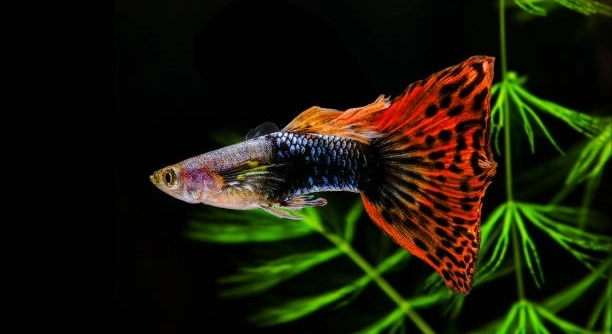
Guppy tanks are a beautiful addition to any space, but they can sometimes develop unpleasant odors. Understanding the cause of these smells is key to maintaining a healthy and vibrant aquarium environment for your fish.
The primary reasons for foul odors in a guppy tank typically include poor water quality, overfeeding, improper filtration, accumulated waste, and bacteria buildup. Identifying and addressing these issues is essential for maintaining a healthy tank environment.
Managing water quality, cleaning routines, and feeding habits will greatly reduce any unpleasant smells. This will lead to a cleaner and more comfortable habitat for your guppies.
Poor Water Quality
If the water in your guppy tank is not clean, it can quickly lead to foul smells. Over time, organic matter such as fish waste, uneaten food, and decaying plants break down, releasing ammonia and other harmful compounds into the water. These compounds not only smell bad but can also harm your fish. Regular water changes are essential to keep the water fresh and prevent the build-up of toxic substances. A good rule of thumb is to change about 25-30% of the water every week, depending on the size of your tank and the number of fish.
To help maintain water quality, using a reliable filtration system is important. Filters help remove debris, bacteria, and excess nutrients. However, filters should be cleaned regularly to avoid becoming clogged and ineffective. Keeping the tank water clear requires monitoring pH levels, ammonia, nitrite, and nitrate levels. When water quality deteriorates, the result is often a noticeable smell, which can be avoided with consistent care.
Maintaining proper water quality is key to ensuring your guppies thrive in a healthy environment. If you start noticing unpleasant odors, check for excess waste or poor filtration. Addressing these issues quickly can prevent long-term damage to the tank’s ecosystem.
Overfeeding
Overfeeding is a common mistake among aquarium owners and contributes significantly to bad odors. When you feed your guppies more than they can consume, the leftover food starts to break down, releasing waste and organic material into the water. This leftover food not only pollutes the tank but also attracts bacteria that thrive on it. Over time, this contributes to a worsening smell in the tank, making it unpleasant to be around.
To avoid this, only feed your guppies what they can eat in 2-3 minutes. If there’s food left over, remove it to prevent it from decomposing. Using an automatic feeder can also help you regulate how much food is dispensed.
Poor Filtration
A malfunctioning or inadequate filter can lead to dirty water, which results in bad smells. Filters help remove debris and harmful substances from the water, but they need regular maintenance. If a filter is too small for the tank or isn’t cleaned often enough, waste and organic matter will build up, causing unpleasant odors.
Make sure your filter is the right size for your tank. Regularly check the filter’s effectiveness and clean it every few weeks. If your filter is old or doesn’t seem to be working well, it might be time to replace it with a more powerful model. A properly working filter is essential for maintaining a healthy, odor-free environment for your guppies.
An effective filtration system can drastically reduce odors by keeping the water cleaner and promoting better water circulation. This reduces the chances of harmful bacteria and debris accumulating in the tank, leading to a more pleasant environment for both you and your fish.
Accumulated Waste
Fish waste can quickly build up in the tank, contributing to bad odors. Uneaten food, fish droppings, and plant matter all break down in the water, producing ammonia and other harmful substances. These compounds can create a stinky environment that’s not just unpleasant but also potentially harmful to your guppies. Regular cleaning of the tank and substrate will help minimize waste accumulation.
Vacuum the substrate regularly to remove leftover waste and detritus. If you have live plants, trim dead leaves to avoid decay. Keeping the substrate clean will also improve the water quality, helping to reduce odors and create a healthier environment. Adding a few snails or bottom feeders can also help by cleaning up any excess food or waste that may have been missed during routine cleaning.
Bacteria Buildup
Bacteria thrive in tanks where waste and organic material accumulate. These bacteria break down fish waste, releasing harmful substances and contributing to unpleasant odors. A tank with excessive bacteria can become a breeding ground for unwanted smells. Regular cleaning and water changes help reduce bacterial buildup.
To manage bacteria levels, use a good filtration system and avoid overfeeding. Keep the tank’s surface and decorations free of debris that may encourage bacterial growth. In addition, maintaining a stable water temperature can help control bacteria levels, as extreme temperatures can lead to harmful bacterial blooms.
Decaying Plants
Dead or decaying plants in your guppy tank can be a major source of bad smells. When plant matter decomposes, it releases organic compounds into the water, creating a foul odor. It’s essential to regularly check for dead plants and remove them promptly to maintain a cleaner environment.
Additionally, monitor live plants for signs of decay or overgrowth. Trim dead leaves and clean any plant matter that has settled at the bottom of the tank. Keeping your plants healthy and well-maintained helps prevent odors while also benefiting the overall ecosystem of your tank.
FAQ
What is the best way to eliminate bad smells from my guppy tank?
The most effective way to get rid of bad smells is to focus on water quality. Regular water changes of 25-30% each week help prevent the buildup of harmful chemicals. Ensure your filtration system is working properly, as a clean filter helps reduce odors. Also, avoid overfeeding and remove leftover food promptly to prevent decay. Regularly clean the tank’s substrate and decorations to remove waste and decaying plant matter. If the tank has live plants, trim dead leaves and remove any that are decaying.
How often should I clean my guppy tank?
It’s important to clean your guppy tank regularly, but not too often to avoid stressing the fish. Perform partial water changes weekly, removing about 25-30% of the water. Clean the filter and vacuum the substrate every few weeks to prevent debris buildup. Depending on the size of your tank, the need for deep cleanings can vary. If you notice an odor or excess waste, you may need to clean it more frequently.
How can I tell if my tank is overfed?
Overfeeding usually results in uneaten food that settles on the bottom of the tank, which decomposes and causes bad smells. If you see food left after a few minutes or notice excess waste in the water, you may be feeding your guppies too much. Make sure to offer only as much food as they can consume within 2-3 minutes. If your fish seem to be ignoring the food, reduce the amount you feed them. Overfeeding can also lead to water quality issues, which will create an unpleasant environment for your guppies.
Can my filter be the cause of the bad smell?
Yes, an ineffective or dirty filter can contribute to bad smells. If the filter is clogged or not powerful enough for your tank size, it won’t be able to properly remove waste and debris from the water. A dirty filter can also become a breeding ground for bacteria, further contributing to odors. Clean your filter regularly, but make sure to avoid using tap water, as it can remove beneficial bacteria. If your filter is old or doesn’t seem to be doing its job, consider upgrading to a more efficient model.
How do I prevent my guppy tank from smelling in the long run?
To prevent long-term bad odors, focus on tank maintenance. Perform regular water changes, clean the filter regularly, and avoid overfeeding. Keeping your tank free from dead plants, waste, and leftover food will help minimize the chances of odor. Invest in a quality filter that suits the size of your tank and make sure it’s always running efficiently. Regularly check for any decaying plant matter or fish waste that may have accumulated in hard-to-reach areas. Additionally, maintain stable water conditions by regularly testing the water for pH, ammonia, nitrites, and nitrates.
What should I do if my guppy tank smells like rotten eggs?
If your guppy tank smells like rotten eggs, this usually means there is a buildup of hydrogen sulfide, a byproduct of decaying organic matter. It often occurs when the substrate or filter is not cleaned frequently enough. To fix this, perform a partial water change, vacuum the substrate, and clean the filter. You may need to do more frequent cleanings for a while to ensure the smell is gone. Consider using an aquarium siphon to remove debris from the bottom of the tank and clean the substrate thoroughly.
Is it normal for my guppy tank to have a slight odor?
A slight odor can sometimes occur in any tank, especially if you have plants or live food. However, it should not be overpowering or unpleasant. If you notice a faint smell, it’s likely just the natural process of decomposition occurring at a slow rate. Regular cleaning and water changes can help minimize these small odors. If the smell becomes strong or foul, it’s a sign that the tank may need attention, such as more frequent water changes or better filtration.
How do I know if my guppies are stressed due to poor water quality?
Stressed guppies may exhibit abnormal behaviors like swimming erratically, staying near the water’s surface, or hiding more than usual. Poor water quality can lead to these behaviors as fish struggle to breathe or react to toxins in the water. If you notice changes in behavior, test your water for ammonia, nitrites, and nitrates to see if they are at dangerous levels. Poor water quality can also cause fish to appear lethargic or have discoloration. Regular water testing and maintenance can prevent these issues and keep your guppies healthy.
Can live plants help reduce tank odors?
Yes, live plants can help improve water quality and reduce odors. They naturally absorb excess nutrients in the water, such as nitrates, which can contribute to bad smells if left unchecked. Plants also provide a healthier environment by promoting oxygenation and offering hiding spots for guppies, which reduces stress. However, decaying plants can create unpleasant smells. Regularly trim dead leaves and remove decaying plant matter to ensure plants continue to benefit the tank.
What happens if I don’t clean my guppy tank regularly?
If you neglect regular cleaning, waste, uneaten food, and decaying plants will build up in the tank, causing poor water quality and foul odors. Over time, harmful substances like ammonia and nitrites can accumulate, which can harm your guppies. Fish waste and bacteria can lead to bacterial blooms, and poor water conditions can cause stress or even illness in your fish. Regular maintenance prevents these issues and ensures a cleaner, healthier environment for your guppies.
Why is my guppy tank still smelling after a water change?
If the smell persists even after a water change, there may be other factors contributing to the odor. Check the substrate for leftover waste or uneaten food that may have been missed. Inspect the filter to make sure it’s working properly and clean it if needed. Ensure that there is no decaying plant matter in the tank. Sometimes, the source of the odor may be hidden in corners or beneath decorations. It may take a few water changes and a thorough cleaning to completely remove the smell.
Final Thoughts
Maintaining a clean and healthy guppy tank is essential for both the well-being of your fish and the overall environment of your aquarium. If you notice bad odors, it is often a sign that something in the tank needs attention. Whether it’s a buildup of waste, decaying plants, or an ineffective filter, addressing the source of the smell can improve water quality and reduce the chances of your fish becoming stressed or ill. Regular water changes, substrate cleaning, and proper filtration are key to keeping your tank in optimal condition.
Paying attention to small details in your tank can prevent larger problems in the future. Overfeeding your fish or leaving uneaten food can quickly cause debris to accumulate, leading to unpleasant smells. Additionally, making sure that your filter is the correct size for your tank and is properly maintained will help prevent the buildup of harmful bacteria and toxins in the water. Ensuring that your guppies’ living environment is clean will not only eliminate bad smells but also promote a healthier environment for them to thrive in.
In conclusion, taking a proactive approach to your guppy tank’s maintenance will help keep odors at bay. Regularly clean your tank, remove any decaying plant matter, and keep an eye on your fish’s behavior. If you notice anything unusual, such as a strong odor or changes in the fish’s actions, act quickly to identify and resolve the issue. A little attention to detail will go a long way in creating a safe, clean, and odor-free environment for your guppies.

Hello,
If you enjoy the content that we create, please consider saying a "Thank You!" by leaving a tip.
Every little bit helps us continue crafting quality advice that supports the health, happiness, and well-being of pets around the world, for pets of all shapes, sizes, and species.
We really appreciate the kindness and support that you show us!