
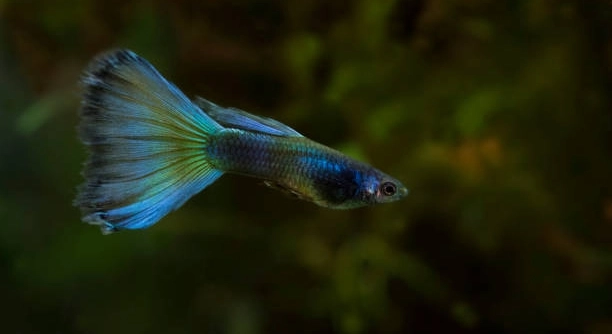
Sometimes, it’s a little unsettling when you notice your guppy swimming with clamped fins. This behavior can be an indication of several factors affecting your fish’s health. It’s important to address this issue promptly.
Clamped fins in guppies are often caused by stress, water quality problems, or illness. Stressful conditions, such as overcrowding or poor tank mates, may lead to this behavior. Poor water quality, high ammonia, or low oxygen levels can also cause clamped fins.
Addressing these factors can help your guppy feel better and swim more comfortably. Understanding the possible causes will help you take action to improve your fish’s environment and well-being.
Stress in the Tank
When your guppy swims with clamped fins, stress could be the root cause. Guppies are small and sensitive fish, making them vulnerable to stress. Factors like overcrowding, aggressive tank mates, or sudden changes in their environment can all contribute to this. If your guppy feels unsafe, it will likely clamp its fins as a sign of discomfort. Stress not only affects their behavior but can also lower their immune system, making them more susceptible to illnesses.
One common cause of stress is overcrowding. If too many fish are in the tank, there might not be enough space for your guppy to swim freely. This lack of space can cause anxiety, which often results in clamped fins. Similarly, if there are aggressive fish in the tank, your guppy might feel threatened, leading to the same behavior. Ensuring that your tank has appropriate fish-to-water ratios and compatible tank mates can reduce stress.
To keep your guppy healthy, try rearranging the tank for more space, removing aggressive fish, or even adding more plants or hiding spots. This will help them feel more secure, and over time, you should notice a significant improvement in their swimming and behavior. Keep in mind that making gradual changes is important to avoid further stress.
Poor Water Quality
Poor water quality is one of the most common reasons behind your guppy’s clamped fins. Water that’s too dirty, has high ammonia levels, or is improperly filtered can cause a variety of issues. Fish rely on clean water for overall health and vitality, so it’s crucial to monitor and maintain it.
To improve the situation, regularly test the water for ammonia, nitrite, and nitrate levels. You can use a water test kit to get accurate readings. If you find that any of these levels are too high, performing a partial water change can help. Ensure your filtration system is running properly, as it plays a vital role in keeping the water clean and oxygenated. Adding an air pump can also increase oxygen levels, promoting better health for your guppy.
If you notice clamped fins along with other signs of illness, like fading colors or sluggish movement, poor water quality is likely the main issue. Clean water helps prevent stress, keeps your guppy healthy, and encourages natural behaviors, including the movement of their fins. Don’t underestimate the power of regular water maintenance to maintain a happy and healthy tank environment for your guppy.
Illness and Disease
Illnesses like fin rot, swim bladder disorder, or parasites can cause your guppy to swim with clamped fins. If your guppy’s fins look damaged or discolored, it’s likely an infection or illness. Clamped fins may appear as part of their body’s response to pain or discomfort.
Fin rot is a common condition in guppies, often caused by poor water quality or bacterial infection. It causes the fins to look frayed or decayed, and your guppy may swim with their fins clamped tightly against their body. Swim bladder disorder, which affects buoyancy, can also make the fish appear sluggish or stressed. In some cases, parasitic infections, like white spot disease, can lead to abnormal behavior and clamped fins.
To address these issues, it’s essential to treat the underlying condition. For fin rot, medicated treatments are available to combat bacterial infections. If your guppy has swim bladder disorder, try to improve water conditions and consider feeding them a specialized diet. If parasites are suspected, quarantine the infected fish and treat them with appropriate medications.
Temperature Fluctuations
Rapid changes in water temperature can also lead to clamped fins in guppies. Guppies thrive in a stable temperature range of 72-82°F (22-28°C). Any significant drop or rise in temperature can put unnecessary stress on them.
Fluctuations in temperature can weaken your guppy’s immune system, making them more susceptible to illness. The stress from temperature changes can cause them to behave differently, including clamping their fins. In addition, sudden temperature shifts can disturb your guppy’s normal bodily functions, leading to discomfort and lack of movement.
To avoid temperature issues, ensure that your tank has a reliable heater and thermometer. Check the temperature regularly to confirm that it stays within the recommended range. If you notice temperature fluctuations, make sure your heater is functioning properly and that there are no drafts or direct sunlight affecting the tank. A stable temperature promotes a healthier and more comfortable environment for your guppy.
Poor Diet
A poor diet can affect your guppy’s overall health and cause them to swim with clamped fins. If they’re not getting the right nutrients, it can lead to weakness and stress. Make sure they have a balanced diet rich in essential vitamins and minerals.
Overfeeding or underfeeding can also create problems. If your guppy isn’t eating the right amount of food or is being fed low-quality flakes, it may impact their health. Nutritional deficiencies can lead to clamped fins, among other symptoms like lethargy or faded colors. Providing variety in their diet will ensure they get everything they need.
To keep your guppy healthy, offer a mix of high-quality flakes, pellets, and occasional live or frozen foods. Variety helps them get the right nutrients and keeps them active. Avoid overfeeding, as uneaten food can pollute the water, leading to poor water quality and more stress for your fish.
Overcrowding
Overcrowding in the tank can easily stress out your guppy, causing clamped fins and other behavior issues. When too many fish are in one tank, it limits space and increases competition for food.
Guppies need enough room to swim freely, and overcrowding can result in them feeling trapped and stressed. This stress can cause a drop in their immune function, making them more susceptible to disease. Additionally, the build-up of waste and uneaten food can harm water quality, which further stresses your guppy.
To prevent overcrowding, ensure you maintain a proper fish-to-water ratio. A general rule is one inch of fish per gallon of water. If you’re planning to add more guppies, consider upgrading your tank or removing some to maintain a healthy environment.
FAQ
Why are my guppy’s fins clamped even though the water seems fine?
Sometimes, water quality might seem fine at first glance but can still have hidden issues like high ammonia or low oxygen levels. It’s essential to test for ammonia, nitrites, and nitrates regularly using water testing kits. Even if you don’t see visible problems in the water, things like pH imbalance, chlorine, or unfiltered toxins can still stress your guppy. Poor water oxygenation can also be a silent culprit. Ensure your filter is working well, and consider adding an air pump to improve water circulation and oxygen levels.
Can stress alone cause clamped fins in guppies?
Yes, stress is one of the leading causes of clamped fins in guppies. Factors like aggression from tank mates, sudden environmental changes, or even a lack of hiding spaces can contribute to stress. Overcrowding is another big one that can make your guppy feel cramped and anxious. If the stress is prolonged, it can weaken their immune system, leading to further health issues. Ensuring that your guppy has a peaceful and stable environment will help reduce stress and improve their overall health.
What can I do if my guppy keeps swimming with clamped fins despite good water conditions?
If your guppy continues to display clamped fins even with good water conditions, it’s important to consider other possible causes such as illness or temperature fluctuations. Sometimes, minor diseases or infections can cause fish to clamp their fins as a sign of discomfort. You should also check the water temperature regularly to ensure it stays within the ideal range (72-82°F). Additionally, keep an eye on their diet and make sure they are eating properly. If the behavior continues, consider isolating your guppy in a quarantine tank for closer observation and treatment.
How do I know if my guppy has an infection causing clamped fins?
Infections in guppies can often be identified through additional symptoms such as fin rot, swelling, discoloration, or abnormal growths on their body. If your guppy has clamped fins along with any of these signs, there’s a higher chance that an infection is the cause. Fin rot, caused by bacteria, can make the fins look frayed or deteriorated. If there are small white spots on your guppy’s body or fins, it may be an indication of a parasitic infection like ich. In such cases, you should treat the infection with the appropriate medication.
Can temperature changes cause clamped fins in guppies?
Yes, temperature fluctuations can lead to clamped fins. Guppies are sensitive to changes in temperature, and any sudden spikes or drops can cause stress, resulting in clamped fins. It’s important to maintain a consistent water temperature between 72-82°F (22-28°C) for your guppy’s comfort. Invest in a good aquarium heater and thermometer to monitor the water temperature regularly. If you notice sudden temperature shifts, try to gradually adjust it to avoid further stress. Consistency is key to keeping your guppy healthy and comfortable.
Is overcrowding really that serious for guppies?
Yes, overcrowding is very stressful for guppies and can lead to clamped fins. When there are too many fish in the tank, each one has less space to swim and establish territory, leading to stress and aggression. It also results in poor water quality since the waste produced by too many fish can quickly build up, increasing the chances of ammonia spikes. Overcrowding can weaken your guppy’s immune system, making them more vulnerable to diseases. Ensure you have enough space, and the correct fish-to-water ratio in your tank.
Can a poor diet lead to clamped fins in guppies?
Yes, a poor diet can cause clamped fins, as it weakens your guppy’s overall health. If you’re feeding your guppy low-quality or one-type-only food, they may not be getting the full range of nutrients they need. A lack of essential vitamins and minerals can cause them to become sluggish, stressed, or even sick. To maintain their health, provide a balanced diet consisting of high-quality pellets, flakes, and occasional live or frozen foods. A varied diet helps keep your guppy energetic and reduces the likelihood of health issues like clamped fins.
Can I fix clamped fins with better water quality?
Improving water quality is an essential part of addressing clamped fins, especially if poor water conditions are the cause. Regular water changes, proper filtration, and testing the water regularly for ammonia, nitrites, and nitrates are all important steps in maintaining optimal water conditions. Clean, well-filtered water provides your guppy with a healthier environment and helps reduce stress. However, if the clamped fins are due to something other than water quality (like illness or temperature issues), improving the water may not be enough. Identifying and addressing the root cause is key.
Should I be worried if my guppy is swimming with clamped fins?
While occasional clamping of fins isn’t uncommon, it can indicate stress or discomfort if it persists for a prolonged period. If the clamped fins are accompanied by other signs like lethargy, discoloration, or loss of appetite, it’s time to investigate further. While clamped fins on their own don’t always signal a severe issue, it’s crucial to keep an eye on their behavior. The quicker you address any environmental or health problems, the better it will be for your guppy’s well-being.
How long should I wait before seeking help if my guppy has clamped fins?
If your guppy’s clamped fins don’t improve within a few days, it’s a good idea to seek help. Monitor their behavior closely, and make sure their water conditions, diet, and tank environment are all optimal. If you notice other symptoms like discoloration, difficulty swimming, or lack of appetite, it may be time to isolate them and seek treatment. In cases where the problem persists despite making environmental adjustments, consulting an aquarium vet or experienced fish keeper for advice would be wise. Early intervention often leads to better outcomes for your guppy.
Final Thoughts
Clamped fins in guppies can be concerning, but understanding the causes behind this behavior is the first step toward helping your fish recover. Whether it’s due to stress, poor water quality, illness, or diet, identifying the underlying issue is crucial. Regularly monitoring the tank’s environment, keeping the water clean, and ensuring your guppy has a balanced diet are essential actions in maintaining their health. A peaceful tank environment, where all the fish get along and there is enough space to swim, is key to preventing stress and other health issues.
While clamped fins are often a sign of discomfort or stress, it is not always a cause for immediate alarm. Many guppies recover once the root cause is addressed, whether it’s a water change, improving tank conditions, or offering them better food. However, if the behavior persists for several days or if other symptoms like fading color, lethargy, or signs of illness appear, it’s important to take quicker action. A trip to the vet or a closer look at the overall health of the tank might be necessary at that point.
Keeping your guppy healthy involves a bit of attention to detail, but the good news is that many issues can be resolved with simple adjustments. Consistent water quality checks, proper feeding, and an appropriately sized tank with compatible tank mates are the basics that every guppy owner should prioritize. While clamped fins can be a sign of something more serious at times, most of the time, it can be corrected with a few changes. By being proactive and observant, you can ensure your guppy stays happy and healthy for a long time.

Hello,
If you enjoy the content that we create, please consider saying a "Thank You!" by leaving a tip.
Every little bit helps us continue crafting quality advice that supports the health, happiness, and well-being of pets around the world, for pets of all shapes, sizes, and species.
We really appreciate the kindness and support that you show us!