
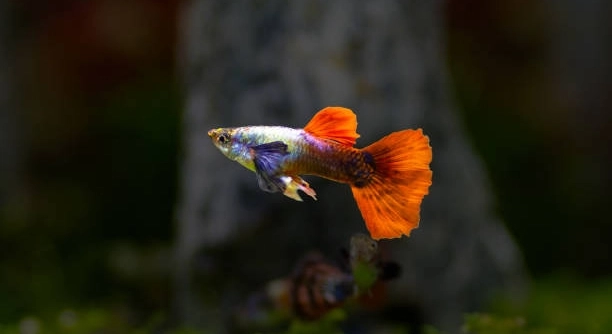
Guppies are lively fish, often seen swimming with enthusiasm. However, if your guppy starts swimming upside down, it can be unsettling. Understanding the reasons behind this behavior can help ensure your guppy’s well-being.
There are several potential causes for a guppy swimming upside down. These include swim bladder issues, poor water quality, infections, stress, or a change in diet. It’s important to address these factors promptly to prevent further harm to your fish.
The reasons behind this behavior vary, but addressing these issues early can prevent further complications and help maintain your guppy’s health.
Swim Bladder Disorder
Swim bladder disorder is one of the most common reasons why guppies swim upside down. This disorder affects the fish’s ability to control its buoyancy. When the swim bladder is malfunctioning, the guppy may struggle to stay upright, causing it to float or swim in abnormal positions.
Swim bladder disorder can result from several factors, including constipation, injury, or genetic predisposition. A common cause is overfeeding, which can lead to bloating and put pressure on the swim bladder. Guppies with this condition may swim in circles, float upside down, or appear lethargic. If left untreated, it can lead to permanent damage.
Treatment often involves adjusting the diet and water conditions. Offering foods that are easier to digest, such as peas, can help alleviate constipation. Additionally, maintaining clean water and ensuring the aquarium is free from toxins can promote healing. In some cases, a salt bath may be recommended to aid recovery.
Poor Water Quality
Guppies are sensitive to changes in water quality, and poor water conditions can lead to a variety of health problems, including abnormal swimming behavior. High levels of ammonia, nitrites, or low oxygen can stress the fish, causing them to swim erratically or upside down.
When water parameters are not within the proper range, guppies may become stressed, weak, or disoriented. They may struggle to maintain balance, leading to them swimming on their sides or upside down. Inadequate filtration or overstocking the tank can contribute to poor water quality, which directly impacts the health of your guppy.
To prevent this, regular water testing is essential. Ensure that ammonia and nitrite levels remain at zero, and the pH level is stable. Conduct regular water changes to remove toxins and maintain a healthy environment. Using a high-quality filter and aerator can also improve oxygen levels and reduce stress for your fish.
Infections
Infections, particularly bacterial or fungal, can cause a guppy to swim upside down. These infections can affect the nervous system or internal organs, leading to difficulty controlling swimming behavior. Infected fish may also show other symptoms, such as lesions, discoloration, or puffiness.
Bacterial infections, such as those caused by Aeromonas or Vibrio species, can inflame the swim bladder or other internal organs. Infected guppies may exhibit signs of abnormal swimming patterns or struggle to maintain buoyancy. Fungal infections often cause visible patches on the skin, and parasitic infections can lead to erratic swimming and physical discomfort.
If an infection is suspected, isolating the infected guppy in a quarantine tank is crucial. Treatment with antibiotics or antifungal medications, depending on the cause, can help restore normal behavior. Ensure water quality is maintained, as poor conditions can exacerbate the problem and hinder recovery.
Stress
Stress can significantly impact a guppy’s swimming behavior, causing them to swim upside down or exhibit erratic movements. Factors such as overcrowding, sudden changes in water temperature, or incompatible tank mates can lead to stress. This condition often weakens the fish’s immune system and affects their overall health.
A stressed guppy may swim erratically, hang near the surface, or flip upside down. Stress from environmental changes can overwhelm their ability to maintain balance. Overcrowded tanks, loud noises, and sudden shifts in light levels can all contribute to heightened stress. A stressed guppy is also more prone to disease.
Dietary Imbalance
An imbalanced diet can result in gastrointestinal issues for guppies, which may lead to abnormal swimming behavior. Overfeeding or feeding the wrong types of food can contribute to bloating and constipation. This can affect the swim bladder and make it difficult for the fish to maintain proper buoyancy.
Providing a varied diet of high-quality foods is crucial for guppy health. Guppies require a balanced mix of plant and animal matter. Overfeeding or feeding too much protein-rich food can lead to bloating and worsen swim bladder problems. Offering smaller portions more frequently can help prevent overfeeding.
Injury
Injury to a guppy can lead to abnormal swimming patterns, including swimming upside down. Injuries may occur from aggressive tank mates, rough handling, or sharp objects in the aquarium. These injuries can affect the fish’s buoyancy control or cause internal damage, leading to disoriented swimming behavior.
When a guppy is injured, it may become weak or unable to swim properly. If an injury affects the swim bladder or other vital organs, the fish may be unable to maintain an upright position. Providing a safe and calm environment is essential to prevent further harm to the guppy.
Why is my guppy swimming upside down?
There are several reasons why a guppy may swim upside down. Common causes include swim bladder disorder, poor water quality, infections, stress, or an injury. Swim bladder disorders are particularly common and can be caused by overfeeding or digestive issues. Poor water conditions, such as high ammonia levels or low oxygen, can also cause a guppy to swim upside down. Infections and injuries that affect the internal organs may lead to abnormal swimming. Stress from changes in the environment or tank mates can also cause disoriented swimming behavior. Identifying the underlying cause is essential for treating the issue effectively.
How can I fix a guppy’s swim bladder problem?
Treating a guppy with swim bladder issues depends on the cause. If the problem is due to constipation, feeding the guppy cooked, mashed peas can help relieve bloating. If overfeeding is the issue, adjusting the amount of food provided is necessary. In some cases, isolating the guppy in a quarantine tank with warm, clean water can reduce stress and allow it to recover. In severe cases, using aquarium salt to treat swim bladder disorders might help. If symptoms persist, it’s important to consult with an aquatic veterinarian to rule out other health problems.
Can water quality affect my guppy’s swimming behavior?
Yes, poor water quality can significantly impact a guppy’s health and swimming behavior. Guppies are sensitive to changes in water conditions, and if the ammonia, nitrite, or nitrate levels are too high, it can stress the fish. Poor water quality can lead to abnormal swimming, including swimming upside down, and can weaken the guppy’s immune system, making it more susceptible to infections. Regular water changes, proper filtration, and testing water parameters are essential in maintaining a healthy environment for your guppy.
What can cause a guppy to be stressed?
Guppies can become stressed from a variety of factors. Overcrowding in the tank, sudden changes in water temperature, or incompatible tank mates can cause stress. Loud noises, bright lights, or aggressive behavior from other fish may also contribute. Stress weakens a guppy’s immune system and can cause them to swim erratically, including upside down. To reduce stress, ensure that your tank has enough space, maintain stable water conditions, and avoid aggressive or incompatible fish species.
How can I tell if my guppy has an infection?
Infections in guppies often show external signs, such as unusual growths, sores, or discoloration. A guppy with a bacterial infection may exhibit lethargy, loss of appetite, or ragged fins. Parasitic infections can cause visible patches on the skin, and fungal infections can appear as fuzzy white spots. Internally, an infection could affect the swim bladder, leading to abnormal swimming patterns, including swimming upside down. If you notice any of these symptoms, it’s crucial to isolate the affected guppy and start treatment immediately, either with antibiotics, antifungal medications, or by consulting with a specialist.
Can a guppy recover from swim bladder disorder?
Yes, a guppy can recover from swim bladder disorder, depending on the severity of the condition and the cause. If the disorder is due to constipation, offering the guppy peas or adjusting the diet can often resolve the issue. In less severe cases, simply adjusting feeding habits and improving water conditions may help. For more serious cases, isolating the guppy and providing a stress-free environment can assist in recovery. However, if the condition persists, consulting a vet or aquatic expert may be necessary to address underlying health issues.
How can I prevent swim bladder problems in my guppy?
Preventing swim bladder problems involves maintaining proper feeding habits and water quality. Avoid overfeeding your guppy, as this can lead to constipation and bloating, both of which can affect the swim bladder. Feed your guppy a varied diet that includes both plant and animal matter. Ensure that the water temperature and pH are stable, and perform regular water changes to keep the environment clean. Also, monitor the water parameters, including ammonia and nitrate levels, to ensure that they are within safe limits for guppies.
What should I do if my guppy is swimming upside down due to injury?
If your guppy is swimming upside down due to injury, the first step is to isolate it in a separate tank to avoid further stress or harm. Ensure that the water is clean, with stable temperatures, and free from potential contaminants. If the injury is severe, consult an aquatic vet to assess the damage and recommend any necessary treatments, such as antibiotics or anti-inflammatory medications. Depending on the extent of the injury, the guppy may need time to recover in a safe, low-stress environment.
How do I know if my guppy is sick or just stressed?
The difference between stress and illness can be difficult to determine at first, as the symptoms can overlap. A stressed guppy may swim erratically or upside down, but this behavior should improve once the source of stress is removed. Illnesses, on the other hand, may involve visible symptoms, such as lesions, swelling, or discoloration, and tend to persist or worsen. If a guppy shows signs of illness, such as not eating or having visible lesions, it’s best to isolate the fish and begin treatment immediately. If stress is the cause, adjusting the tank environment may help.
How can I help my guppy recover from stress?
To help your guppy recover from stress, ensure that its tank environment is calm and stable. Remove any potential stressors, such as aggressive tank mates, loud noises, or sudden changes in water temperature. Maintain clean water with proper filtration and perform regular water changes. Provide hiding spots for the guppy to feel secure, and avoid overcrowding the tank. If the guppy is still stressed, isolating it in a separate tank can provide a peaceful environment for recovery. It may take time, but with proper care, the guppy can recover fully.
When your guppy is swimming upside down, it can be a sign of several underlying issues, including swim bladder disorder, poor water quality, stress, or injury. Understanding the possible causes is the first step toward helping your fish recover. Whether the problem is related to diet, stress, or a physical issue, early intervention can prevent further complications. It is important to observe your guppy closely and identify any other symptoms that may indicate a specific condition. Regular maintenance of water quality and a proper diet will also help in preventing future problems.
Taking care of a guppy’s health involves more than just addressing immediate symptoms. Consistent tank maintenance, such as regular water changes and testing water parameters, is crucial for keeping your guppy healthy. Additionally, paying attention to your fish’s behavior, ensuring they are not stressed by tank mates, and providing a balanced diet can go a long way in maintaining their well-being. A guppy’s immune system is sensitive, and keeping their environment clean and stable is one of the best ways to support their overall health.
If the issue persists despite taking corrective measures, it may be necessary to consult with an aquarium specialist or a veterinarian. They can provide a more accurate diagnosis and suggest treatments that you may not have considered. In many cases, with proper care and attention, a guppy can recover from swimming upside down and return to its usual behavior. Maintaining a healthy environment and addressing any issues promptly will not only improve your guppy’s quality of life but also ensure the happiness and stability of your aquarium’s ecosystem.

Hello,
If you enjoy the content that we create, please consider saying a "Thank You!" by leaving a tip.
Every little bit helps us continue crafting quality advice that supports the health, happiness, and well-being of pets around the world, for pets of all shapes, sizes, and species.
We really appreciate the kindness and support that you show us!