
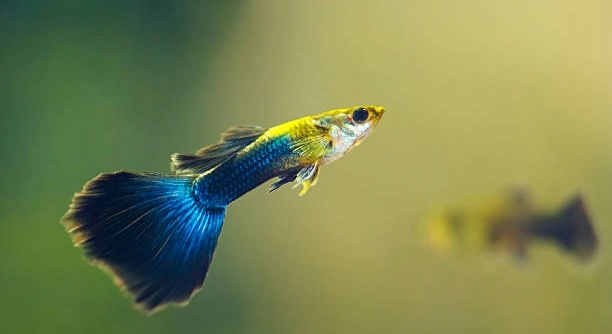
Guppies are active, playful fish often seen swimming around their tanks. However, if you notice them swimming sideways, it can be a sign of a problem that needs attention. Understanding the cause is essential.
Sideways swimming in guppies is commonly linked to issues such as swim bladder disorder, poor water quality, or physical injuries. Stress, infections, and certain genetic conditions can also contribute to this unusual behavior, affecting their overall health.
Knowing the underlying causes can help you take the necessary steps to improve your guppy’s health and comfort. Understanding these factors will ensure your fish remains active and happy in its environment.
Swim Bladder Disorder
Swim bladder disorder is one of the most common causes of sideways swimming in guppies. This condition affects the fish’s ability to control its buoyancy. Guppies with swim bladder issues may float sideways, upside down, or struggle to maintain balance. The swim bladder, an internal organ responsible for buoyancy control, can become compromised due to several factors, including infections, injuries, or improper diet. While this condition is treatable in many cases, the severity depends on the root cause.
If you suspect swim bladder disorder, monitor your guppy’s behavior and water quality closely. Make sure the water temperature remains stable and the pH levels are within the ideal range for guppies. Medications may be necessary if an infection is suspected. Adjusting the fish’s diet to include high-quality foods, like live or frozen varieties, can also help improve its condition.
Overfeeding is another factor that can contribute to swim bladder issues. If your guppy consumes too much food at once, its digestive system may become overloaded, affecting its ability to swim properly. Reducing the amount of food and ensuring it’s well-balanced can alleviate the problem.
Poor Water Quality
Water quality plays a significant role in your guppy’s health. Poor water conditions can lead to stress, which may cause abnormal swimming behavior, including swimming sideways. High ammonia levels, improper pH balance, and low oxygen content can all affect your fish’s well-being.
To prevent poor water quality, regularly test the water and perform partial water changes to maintain a healthy environment. Keeping the tank clean and using a good filtration system will help reduce toxins. Proper water management ensures your guppy stays active and balanced in the tank.
Physical Injuries
Guppies can sometimes swim sideways due to physical injuries. They may have suffered from tank mates or an accident in the tank. If a guppy is hit or scratched, it could lead to muscle damage or internal issues, affecting their movement.
Check for visible wounds, bruising, or any signs of trauma. If the guppy has an injury, you can isolate it in a separate tank to reduce stress. Provide clean water and monitor the wound for infection. Adding aquarium salt can help promote healing and reduce the risk of infection.
In some cases, the injury may affect the swim bladder, which could lead to issues with buoyancy and cause sideways swimming. If the injury is severe, professional care may be necessary. Keeping the tank environment stress-free can help prevent further injuries.
Stress and Anxiety
Stress can cause your guppy to swim sideways. Fish are sensitive to changes in their environment, and stressors such as overcrowding, sudden temperature fluctuations, or aggressive tank mates can trigger abnormal behavior.
To reduce stress, ensure the tank has enough space for your guppy to move around. Avoid adding too many fish or creating an overly busy environment. Regularly check the water temperature, and maintain a stable and comfortable range. Tank mates should be peaceful and not threaten your guppy.
By reducing stressors, you help create a more balanced and healthier environment. This allows your guppy to recover from any anxiety-related behaviors, including sideways swimming, and return to its usual active self.
Infections
Infections can lead to abnormal swimming in guppies, including sideways movement. Bacterial, fungal, or parasitic infections affect their overall health and can cause issues with buoyancy and balance. Symptoms such as white spots, lesions, or unusual swimming behavior are common signs.
If your guppy shows signs of infection, consider quarantining it in a separate tank to prevent the spread to other fish. Begin treatment with a suitable medication based on the type of infection. Maintaining good water quality is crucial to helping the fish recover.
Improper Diet
An improper diet can result in health problems, including sideways swimming. Guppies require a well-balanced diet that includes high-quality flakes, frozen foods, or live foods. Overfeeding or offering food that lacks essential nutrients can lead to digestive issues.
To improve your guppy’s diet, ensure it receives a variety of foods with the right nutritional content. A balanced diet helps to maintain healthy internal systems and reduces the risk of swim bladder issues and other problems.
FAQ
Why is my guppy swimming sideways?
Sideways swimming in guppies can be due to issues such as swim bladder disorder, poor water quality, stress, or physical injury. Poor water conditions can affect buoyancy, causing abnormal swimming patterns. Infections or internal issues may also lead to this behavior.
How can I treat swim bladder disorder in my guppy?
Swim bladder disorder can be treated by adjusting the diet and water conditions. Fasting your guppy for a few days and offering peas can help with digestion. If the disorder is due to infection, antibiotics may be needed. Keep the water quality optimal to aid recovery.
What are the symptoms of infection in guppies?
Infected guppies often show signs like lesions, white spots, or changes in coloration. Abnormal swimming, such as sideways or floating, can also be a symptom. If you notice these signs, isolate the fish and begin treatment with appropriate medications to prevent spreading.
Can poor water quality cause sideways swimming in guppies?
Yes, poor water quality is a common cause of abnormal swimming. High ammonia or nitrate levels, improper pH, and poor filtration can stress the fish, affecting their ability to swim properly. Regular water changes and testing help prevent these issues and maintain a healthy environment.
How do I reduce stress in my guppy?
Stress can be reduced by ensuring your guppy’s environment is peaceful. Avoid overcrowding, provide proper hiding spots, and maintain stable water parameters. Peaceful tank mates are also essential, as aggressive fish can stress your guppy. Regularly monitoring the tank’s conditions can help prevent stress.
Can tank mates cause sideways swimming in my guppy?
Yes, aggressive or territorial tank mates can stress your guppy, leading to abnormal swimming behavior. Guppies thrive in peaceful environments, so it’s important to select compatible tank mates. Aggressive fish may cause your guppy to swim unnaturally or even hide in stress.
What water conditions are best for guppies?
Guppies thrive in water with a temperature of 72-82°F (22-28°C), a pH range of 6.8-7.8, and a hardness of 8-12 dGH. Maintaining these conditions helps prevent health issues like swim bladder problems and ensures the fish are comfortable and healthy. Regular water testing is recommended.
How often should I change the water in my guppy tank?
Water changes should be done at least once a week, replacing about 25-30% of the tank’s water. This helps remove toxins, reduce the buildup of harmful substances, and maintain a healthy environment. Over time, poor water quality can lead to issues such as sideways swimming.
Is overfeeding harmful to my guppy?
Yes, overfeeding can cause swim bladder problems and lead to sideways swimming. Overfed guppies can develop digestive issues, affecting their buoyancy. It’s best to feed small portions several times a day and remove any uneaten food to prevent overfeeding and maintain a healthy diet.
Can aquarium salt help with sideways swimming?
Aquarium salt can help treat stress and minor injuries in guppies, which may be causing sideways swimming. It can promote healing and reduce the risk of infections. However, it should be used carefully, and not all fish are suited to salt, so be sure to check your guppy’s tolerance.
What should I do if my guppy has an injury?
If your guppy is injured, it’s best to isolate it in a separate tank to reduce stress. Make sure the water is clean and free of harmful substances. You can add aquarium salt to help with healing. Keep an eye on the injury for signs of infection.
How can I tell if my guppy has swim bladder issues?
Signs of swim bladder issues include difficulty swimming, floating sideways or upside down, or sinking to the bottom of the tank. In some cases, the guppy may struggle to maintain its balance. Treatment includes fasting, offering peas, and adjusting water conditions.
Can a bad diet cause sideways swimming in guppies?
Yes, an improper diet can lead to digestive issues and swim bladder problems. Guppies need a balanced diet of high-quality flakes, live foods, and occasional vegetables. A poor diet can disrupt their digestive system, leading to abnormal swimming behavior, including sideways swimming.
How can I ensure my guppy has a balanced diet?
Offer a variety of high-quality foods, including flakes, live foods like brine shrimp, and occasional veggies like peas. This ensures your guppy receives the nutrients it needs to stay healthy. Avoid overfeeding, as it can lead to digestive issues that affect swimming behavior.
How do I prevent infections in my guppy?
To prevent infections, maintain a clean tank with good water quality, as this reduces the risk of bacterial or fungal growth. Isolate new fish before adding them to the main tank to avoid introducing diseases. Regularly check your guppy for signs of illness or injury.
Can stress lead to long-term health problems in guppies?
Yes, prolonged stress weakens the immune system, making guppies more susceptible to diseases. It can also affect their growth and overall well-being. By minimizing stress factors like overcrowding and poor water conditions, you can help prevent long-term health issues and maintain your guppy’s overall health.
Can I use medication for sideways swimming in guppies?
If the sideways swimming is caused by an infection or disease, medication may be necessary. It’s important to identify the cause before administering medication, as treating the wrong condition can worsen the problem. Consult with an aquarium professional or veterinarian for the best course of action.
What can I do to help my guppy recover from sideways swimming?
First, identify the cause of the sideways swimming. Ensure the water quality is optimal, and check for signs of infection, injury, or swim bladder issues. Offer a balanced diet, reduce stress, and consider isolating the guppy to provide a more comfortable environment for recovery.
Final Thoughts
Understanding why your guppy is swimming sideways is key to addressing the issue and ensuring your fish remains healthy. The causes behind this behavior can vary from swim bladder problems to poor water quality or stress. It’s important to take a closer look at your guppy’s environment and health, as early intervention can prevent further complications. Identifying the cause quickly allows for the right treatment, whether it’s improving water conditions, adjusting the diet, or seeking medication for an infection.
Maintaining a clean tank with stable water parameters is essential for your guppy’s overall well-being. Regular water changes, proper filtration, and water testing help keep the tank environment in optimal condition. A balanced diet, free from overfeeding, is equally important for keeping your guppy healthy and preventing digestive issues. If your guppy is stressed by tank mates or overcrowding, try to resolve those issues quickly by adjusting the setup or reducing the number of fish in the tank. A peaceful environment plays a large role in keeping your guppy active and healthy.
If you’ve tried improving the water quality, reducing stress, and offering a proper diet, but your guppy continues to swim sideways, it may be worth consulting an aquarium professional. A veterinarian specializing in aquatic animals can offer insight into potential underlying health problems. While many issues can be resolved with simple care, some may require specific treatments or professional advice. By staying proactive and addressing any concerns early, you can help your guppy recover and return to normal behavior, ensuring a long and healthy life for your fish.

Hello,
If you enjoy the content that we create, please consider saying a "Thank You!" by leaving a tip.
Every little bit helps us continue crafting quality advice that supports the health, happiness, and well-being of pets around the world, for pets of all shapes, sizes, and species.
We really appreciate the kindness and support that you show us!