
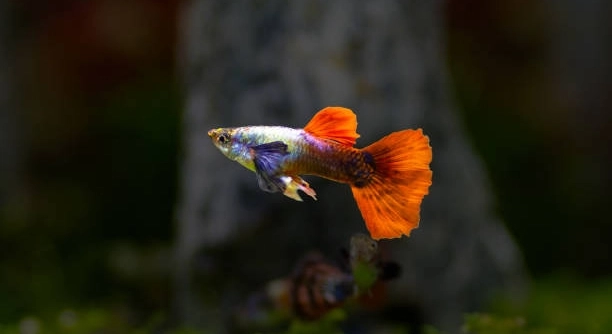
Is your guppy swimming in slow circles, and you’re unsure why? It’s a common behavior, but understanding the causes can help keep your fish healthy and happy.
The main reasons your guppy might swim in slow circles are related to water quality, stress, illness, or swim bladder problems. Monitoring water conditions, diet, and fish behavior is essential to identify and address the issue.
There are various causes behind this unusual swimming pattern. Identifying the right one can help you restore your guppy’s well-being and enjoy a healthy aquarium.
Poor Water Quality
If your guppy is swimming in slow circles, water quality could be a major factor. Fish are sensitive to their environment, and poor water conditions can cause a range of health problems. Dirty water, high levels of ammonia, or low oxygen levels can stress your guppy and affect its swimming patterns. Regularly checking water parameters like pH, ammonia, and nitrate levels ensures your fish stays healthy.
Improper filtration can lead to debris buildup, making the water unsafe. Make sure to clean the tank regularly and replace the filter as needed. Freshwater fish, including guppies, thrive in clean, well-maintained tanks.
Additionally, high temperatures or sudden changes in water conditions can stress your guppy. Keeping the water temperature stable and ensuring that the tank is not overcrowded can help. It’s essential to monitor these factors to create a healthy environment where your guppy feels comfortable and safe.
Swim Bladder Issues
Swim bladder disease is another common cause of slow swimming in guppies. This organ controls buoyancy, and when it’s not working properly, your guppy may struggle to swim or float correctly. It can lead to erratic movements, like swimming in slow circles.
This problem often arises from overfeeding or feeding poor-quality food, which can cause constipation or bloating. A simple remedy is fasting your guppy for a day or two and offering them food like peas to help with digestion. In severe cases, swim bladder issues may require medication or a more specific treatment plan.
However, it’s important to address the underlying cause to avoid future issues. Checking your guppy’s diet and feeding habits is a great first step. Proper care and attention can help your guppy recover quickly and return to its normal swimming behavior.
Stress
Stress is a common factor that can cause guppies to swim in slow circles. Changes in their environment, like sudden water temperature fluctuations or new tankmates, can trigger anxiety. Stress affects their behavior and health, leading to abnormal swimming patterns.
To reduce stress, make sure the tank is in a quiet, calm location, away from loud noises or sudden movements. Guppies also appreciate some hiding spots in the tank where they can feel secure. Keep the lighting consistent, as sudden changes can also stress your fish.
Overcrowding is another stress factor that can lead to slow swimming. If there are too many fish in the tank, your guppy may not have enough space to move freely. Maintaining a proper fish-to-water ratio ensures that your guppy can live comfortably and reduce stress. Adding plants or decorations can help create more hiding spaces and minimize anxiety.
Illness or Infection
Infections and diseases can cause guppies to swim slowly in circles. Common problems like parasites, fungal infections, or bacterial diseases affect their movement and behavior. If your guppy shows other signs, like discoloration, lesions, or lack of appetite, it’s likely dealing with an infection.
Treating the infection depends on its type. For fungal infections, antifungal treatments are available. If a parasite is causing the issue, anti-parasitic medications can help. Bacterial infections may require antibiotics to clear up the problem. Always observe your fish closely and take action quickly, as untreated illnesses can worsen.
Regular water changes, good tank hygiene, and maintaining a stable environment can prevent many of these health issues. If your guppy continues swimming in slow circles despite these precautions, it’s important to consult with a veterinarian or an experienced fish keeper for a proper diagnosis and treatment.
Old Age
As guppies age, their swimming patterns may change. Older fish can become less active and exhibit slower, more deliberate movements. This natural process may cause your guppy to swim in slow circles. It’s important to monitor their overall health and adjust their care as needed.
Older guppies may also develop health problems that affect their mobility. If your fish is very old, ensure they are still eating well and living in a clean environment. A comfortable tank setup and regular water changes are crucial for maintaining their quality of life in their later years.
Poor Diet
A poor diet can cause a guppy to swim in slow circles due to malnutrition or digestive issues. Feeding them low-quality food or overfeeding can lead to problems with their swimming behavior. Guppies need a balanced diet of high-quality fish flakes, vegetables, and occasional protein.
Overfeeding can lead to bloating and digestive discomfort, while poor nutrition weakens their immune system and affects overall health. To ensure your guppy’s health, feed them only as much as they can consume in a few minutes and remove any excess food. A well-balanced diet promotes healthy swimming and behavior.
Water Temperature
Water temperature plays a significant role in a guppy’s activity level. If the water is too cold, it can make your guppy sluggish and cause slow, circular swimming. Maintaining a stable temperature between 72°F and 82°F (22°C to 28°C) is important for their well-being.
If the temperature fluctuates too much, your guppy may become stressed and more prone to abnormal swimming behavior. A reliable aquarium heater helps maintain a constant temperature. If you notice your guppy swimming slowly or in circles, checking the water temperature should be one of your first steps in troubleshooting the issue.
FAQ
Why is my guppy swimming in circles?
Swimming in circles is often a sign of stress, illness, or an environmental issue. It could also indicate a swim bladder problem or poor water quality. When a guppy swims in circles, it’s usually a sign that something in the tank needs attention, such as water temperature, tankmates, or diet.
How can I fix poor water quality in my guppy tank?
To improve water quality, begin by testing the water regularly for ammonia, nitrate, nitrite, and pH levels. Ensure the filter is working properly, and clean the tank frequently to remove debris. Perform regular water changes, about 25-30% once a week, to keep the water fresh. If necessary, use water conditioners to adjust pH or hardness levels. A clean environment promotes a healthy guppy and reduces the chances of illness.
What can cause a guppy to swim in slow, erratic circles?
Erratic swimming, especially slow circles, can be linked to swim bladder disease, which affects buoyancy. It may also be due to infections, parasites, or stress from overcrowding or poor water quality. If the behavior is accompanied by other symptoms like bloating or lack of appetite, consider consulting an expert or veterinarian for proper treatment.
Can overfeeding cause my guppy to swim in slow circles?
Yes, overfeeding is a common cause of swim bladder problems in guppies. When overfed, guppies can become constipated, which can affect their buoyancy and lead to abnormal swimming patterns. It’s important to feed your guppy only as much as it can consume in 2-3 minutes and remove any uneaten food. Regular fasting every week can help prevent digestive issues and keep your guppy healthy.
How do I know if my guppy has swim bladder disease?
If your guppy is swimming in slow circles, floating upside down, or having trouble maintaining balance, swim bladder disease could be the issue. Other signs include bloating or a lack of appetite. This condition can be caused by constipation, bacterial infections, or poor water quality. Treating swim bladder disease often involves adjusting their diet, fasting for a few days, and using medications if necessary.
Can guppies recover from swim bladder disease?
Yes, guppies can recover from swim bladder disease if it is treated promptly and correctly. In mild cases, fasting the fish for 1-2 days and offering foods like peas can help clear up constipation. If the condition is severe or caused by an infection, medication may be required. Regular monitoring and water changes can support recovery.
Is it possible for a guppy to be stressed by other fish?
Yes, guppies can become stressed by aggressive or overly active tankmates. They are peaceful fish and prefer a calm environment. Aggressive fish, such as some types of cichlids or bettas, can cause stress, leading to abnormal behavior like swimming in slow circles. It’s important to research compatible species before adding them to your tank.
What is the ideal water temperature for guppies?
Guppies thrive in water temperatures between 72°F and 82°F (22°C to 28°C). If the water is too cold, they may become sluggish and exhibit abnormal swimming behavior. Consistent water temperature is key for their health. Using an aquarium heater with a thermostat can help maintain a stable environment and prevent temperature fluctuations.
Can guppies swim in circles due to old age?
Yes, older guppies can exhibit slower, less coordinated swimming patterns due to age-related decline. As they get older, their energy levels may decrease, and their swimming may become more sluggish. Providing a stress-free environment with easy access to food and a clean tank can improve their comfort in their later years.
Why is my guppy swimming near the surface in slow circles?
Swimming near the surface could indicate issues with oxygen levels, especially if your guppy is swimming slowly in circles. This can be caused by poor water circulation or overcrowding. Ensure that the tank is properly aerated and that the filter is working correctly. Regular water changes will help keep oxygen levels up.
Should I separate a sick guppy from the rest of the tank?
If a guppy shows signs of illness, it’s a good idea to isolate it from other fish to prevent potential spread of disease. A quarantine tank will allow you to monitor the sick fish more closely and provide the proper care without exposing healthy fish to potential infections or stress.
What are some signs that my guppy is stressed?
Signs of stress in guppies include erratic swimming, lack of appetite, hiding, rapid gill movement, or fading colors. Stress can be caused by poor water quality, sudden changes in their environment, overcrowding, or aggressive tankmates. Identifying the source of stress and correcting it can help your guppy recover.
Final Thoughts
When your guppy starts swimming in slow circles, it can be a sign that something isn’t right in its environment or health. While it’s often related to issues like poor water quality, stress, or swim bladder problems, it’s essential to keep an eye on your fish and try to identify the root cause. Guppies are sensitive creatures, and their behavior can change quickly based on factors like water conditions or tankmates. By making small adjustments to their care routine, many issues can be resolved, helping your guppy return to its normal, active self.
Maintaining a healthy environment for your guppy is key to preventing many of the common causes of abnormal swimming. Regular water changes, checking water parameters, and keeping the tank clean are all essential practices. A well-maintained tank reduces stress and ensures that your guppy can swim freely. Also, offering a balanced diet and avoiding overfeeding can prevent digestive issues, including swim bladder disease. Creating a peaceful and safe environment is vital for your guppy’s well-being, as it allows them to thrive and remain active.
If you continue to see slow, circular swimming despite improving water conditions and diet, it’s important to consult an expert. A veterinarian who specializes in fish health can help determine if there’s an underlying illness that needs treatment. Remember, your guppy’s health and comfort depend on the environment you provide, and paying attention to their behavior can go a long way in keeping them happy. With proper care, most of the issues that cause slow swimming can be easily addressed.

Hello,
If you enjoy the content that we create, please consider saying a "Thank You!" by leaving a tip.
Every little bit helps us continue crafting quality advice that supports the health, happiness, and well-being of pets around the world, for pets of all shapes, sizes, and species.
We really appreciate the kindness and support that you show us!