
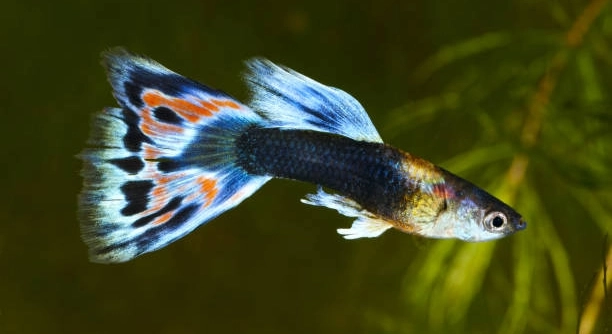
Guppies are known for their playful nature, but sometimes you might notice them swimming in one spot. This behavior can be concerning, especially when you’re unsure of the cause. Understanding what’s happening can help you address it.
The main reason your guppy might be swimming in one spot is due to stress or discomfort. Factors like poor water quality, overpopulation, or a change in the tank environment can cause this behavior. Identifying the cause is key to fixing the issue.
By recognizing the factors affecting your guppy, you can ensure a healthier and more active pet. Let’s take a closer look at the causes and solutions.
Poor Water Quality
One of the most common reasons for a guppy to swim in one spot is poor water quality. Guppies are sensitive to changes in their environment, especially when it comes to water. High levels of ammonia, nitrites, or nitrates can create an unhealthy tank. Additionally, water temperature and pH levels need to be stable for guppies to thrive. When these factors fluctuate, it can cause stress and make your guppy swim aimlessly or stay in one spot.
Test the water regularly with a water testing kit to ensure the levels are within the ideal range for guppies. Keeping the tank clean and doing regular water changes can also help maintain a healthy environment. Avoid overfeeding your fish, as uneaten food can contribute to poor water quality.
Changing water frequently and filtering it well can prevent many issues. It’s important to regularly monitor the tank to avoid potential problems before they become serious.
Overpopulation
If there are too many fish in your tank, the guppy might be stressed and swim in one place. Guppies enjoy having enough space to move freely. When overcrowded, they may feel trapped or anxious, which can lead to this behavior.
Overcrowding also increases the waste in the tank, which can further worsen water quality and stress the fish. Aim to provide at least one gallon of water per guppy. You may need to separate the fish into different tanks to ensure they have enough space to swim and thrive.
Fish will be happier and more active when they aren’t competing for space. If overcrowding is an issue, it’s essential to adjust the number of fish in the tank.
Temperature Fluctuations
Guppies are sensitive to temperature changes, which can affect their behavior. A sudden rise or drop in temperature may cause them to swim in one spot as they try to adjust. It’s important to maintain a consistent water temperature within the ideal range for guppies.
A stable water temperature between 72°F and 82°F (22°C to 28°C) is crucial. Using a reliable aquarium heater will help keep the water at the right temperature. Frequent temperature fluctuations can stress the guppy, making it less active and causing them to stay in one spot.
In addition to using a heater, avoid placing the tank near windows or air conditioning vents, where temperature changes can happen quickly. Maintaining a steady temperature will help your guppy feel more comfortable and encourage normal swimming behavior.
Illness or Injury
If your guppy is swimming in one spot, it could be due to an illness or injury. Fish can sometimes develop diseases like swim bladder disorder or fin rot, which make it difficult for them to swim properly. Affected guppies often remain in one position, not moving around much.
Keep an eye on your guppy for other signs of illness, such as changes in appearance or behavior, like reduced appetite or ragged fins. Quarantining the sick fish in a separate tank can help prevent the spread of disease to other fish.
If you suspect your guppy is sick, consider treating it with appropriate medications. Regularly checking for signs of illness will help prevent more serious problems from developing.
Stress from Tank Mates
Aggressive or dominant tank mates can cause stress, making a guppy stay in one spot. Guppies are peaceful fish, and constant harassment can cause them to become anxious and motionless. It’s important to ensure compatibility among your fish.
If you notice a guppy being bullied, consider separating it from the aggressors. Fish that nip fins or chase others can cause stress and limit movement. Make sure all fish in the tank are peaceful and not overcrowding the space.
Choosing the right mix of tank mates will keep your guppy calm and active. Fish that are overly aggressive or territorial may not be suitable for a community tank.
Lack of Swimming Space
Guppies need plenty of space to swim, and if the tank is too small, they may swim in one spot. A cramped environment can limit their movement and cause stress. Providing enough space will help them feel more comfortable.
Ensure the tank is at least 10 gallons if you have a small group of guppies. A larger tank gives them room to explore and move around. Without enough space, your guppy may become stagnant and remain in one spot.
A properly sized tank ensures your guppy can swim freely, reducing the chance of stress and encouraging natural behavior.
Poor Water Flow
Guppies prefer a gentle water current. If the water flow in the tank is too strong, they may try to find a calm spot. This can cause them to remain stationary for long periods, avoiding the current.
A filter with adjustable flow will allow you to set the water flow to a more suitable level for your guppy. Providing areas with less current, such as behind decorations or plants, will give them a place to rest without feeling pushed by the water flow.
FAQ
Why is my guppy staying in one spot all the time?
If your guppy is staying in one spot, it could be due to stress, poor water quality, or an illness. Guppies need clean, stable environments to thrive. Any changes in water temperature, tankmates, or water conditions can affect their behavior. It’s essential to regularly check water quality, make sure your guppy has enough space, and ensure the temperature is appropriate for their needs.
Can guppies get stressed by other fish in the tank?
Yes, guppies can get stressed by aggressive or dominant tankmates. Fish that chase, nip, or constantly harass your guppy can cause them to feel unsafe. This can lead to your guppy swimming in one spot or hiding to avoid conflict. It’s important to choose peaceful and compatible tankmates for a harmonious aquarium environment.
How do I know if my guppy is sick?
Signs of illness in guppies include changes in behavior, appearance, and eating habits. If your guppy is swimming in one spot and showing no interest in food, it may be unwell. Other symptoms include pale colors, bloated abdomen, fin rot, or visible lesions. If you notice these symptoms, it’s best to separate the sick fish and treat it in a quarantine tank.
Can temperature fluctuations cause my guppy to swim in one spot?
Yes, temperature fluctuations can stress guppies and cause them to stay still in one spot. Guppies are sensitive to changes in temperature. If the water becomes too hot or cold, your guppy may try to find a spot where the temperature is more comfortable or may stop swimming entirely. Keep your aquarium at a steady temperature between 72°F and 82°F for optimal health.
Should I adjust the water flow in my tank for my guppy?
If the water flow is too strong, your guppy might struggle to swim and may stay in one spot to avoid it. Guppies prefer a gentle current. You can adjust the flow of your filter to create calmer areas in the tank where your guppy can rest. Providing hiding spots and areas with less current can help your guppy feel more comfortable.
Is it okay if I have a small tank for my guppy?
A small tank might work for a short time, but guppies need space to swim freely. A 10-gallon tank is the minimum recommended size for a small group of guppies. If the tank is too small, it can cause overcrowding and lead to stress. Always ensure your guppy has enough space to swim around and explore.
Why is my guppy swimming in one spot near the surface?
If your guppy is staying near the surface of the water, it could be an indication of poor water quality or a lack of oxygen. Make sure the water is well-aerated and check for ammonia or nitrate levels, which can harm fish. A filter with aeration can help increase oxygen levels in the tank, encouraging your guppy to swim more actively.
Can stress make my guppy sick?
Yes, prolonged stress can weaken your guppy’s immune system, making them more susceptible to diseases. Stress factors like poor water quality, overcrowding, or aggressive tankmates can leave your guppy more vulnerable to infections. Reducing stress and providing a peaceful, clean environment is essential for your guppy’s health.
What’s the best way to maintain water quality for my guppy?
Maintaining water quality involves regular water changes, testing the water parameters, and ensuring proper filtration. Clean the tank every 1-2 weeks and replace 20-30% of the water. Use a water testing kit to monitor ammonia, nitrites, nitrates, and pH levels. A good filter helps remove waste and maintain healthy water conditions for your guppy.
Should I separate a guppy that is swimming in one spot?
If your guppy is swimming in one spot and showing signs of illness or stress, it might be a good idea to quarantine them in a separate tank. This will prevent other fish from stressing it further and give you a chance to monitor and treat the guppy without interference. If stress is the cause, adjusting the environment in the main tank may be enough to help your guppy feel better.
What is swim bladder disease, and can it cause my guppy to swim in one spot?
Swim bladder disease affects the guppy’s buoyancy and can make swimming difficult. Guppies with swim bladder issues might float on the surface, swim erratically, or stay in one spot. Causes include overfeeding, constipation, or an injury. A proper diet and, if needed, medication can help treat swim bladder disease.
Can overfeeding cause my guppy to stay in one spot?
Overfeeding can lead to constipation or bloating, which might cause your guppy to swim in one spot or have difficulty moving around. Be mindful of how much food you’re offering your guppy. A healthy feeding schedule and avoiding excessive food can help prevent digestive problems and encourage your guppy to swim freely.
How often should I check on my guppy’s health?
It’s a good idea to check on your guppy’s health regularly, at least once a day. Look for signs of illness, such as unusual swimming behavior, loss of appetite, or changes in appearance. Keeping an eye on your guppy’s condition will help you catch problems early and prevent more serious issues.
Final Thoughts
When your guppy is swimming in one spot, it can be concerning, but there are a variety of possible reasons behind this behavior. It could be due to stress from aggressive tankmates, poor water conditions, or even a lack of space. Guppies are sensitive creatures, and their behavior is often a reflection of their environment. By paying close attention to the water quality, tankmates, and the overall setup of your aquarium, you can ensure that your guppy feels comfortable and safe. If the issue persists, it may be a good idea to separate the guppy from the other fish temporarily to monitor its condition and treat any underlying issues.
The health of your guppy depends largely on the environment you provide. Make sure the water temperature remains stable within the recommended range of 72°F to 82°F. Sudden temperature fluctuations can cause stress and make your guppy act in unusual ways. Also, check that the tank is large enough to accommodate your fish without overcrowding. Guppies enjoy having space to swim, and a cramped tank will likely lead to them staying in one spot. Regular water changes, maintaining proper filtration, and testing water parameters will also help ensure a healthy environment for your fish.
If you suspect your guppy is sick, it’s important to act quickly. Illnesses like swim bladder disease or parasites can cause a guppy to become immobile. Separating the sick fish and providing a quarantine tank can prevent the spread of disease to others and allow for more focused care. In some cases, adjusting the water flow or treating the tank with medication might be necessary. Regularly monitoring your guppy’s behavior will help you catch any potential problems early, keeping your aquarium a healthy and peaceful place for your fish.

Hello,
If you enjoy the content that we create, please consider saying a "Thank You!" by leaving a tip.
Every little bit helps us continue crafting quality advice that supports the health, happiness, and well-being of pets around the world, for pets of all shapes, sizes, and species.
We really appreciate the kindness and support that you show us!