
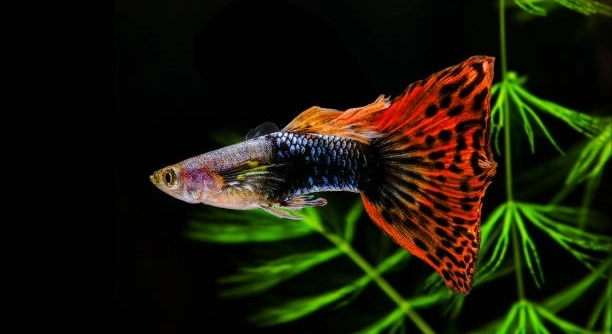
Guppies are popular aquarium fish known for their colorful appearance and lively behavior. If you’ve noticed your guppy swimming against the glass, it can be concerning, but this is actually a common behavior among aquarium fish.
Guppies swimming against the glass can be caused by several factors, including stress, hunger, boredom, or water quality issues. Understanding these causes will help you address the behavior and ensure your guppy’s well-being.
There are simple steps you can take to improve your guppy’s environment. By exploring the reasons behind this behavior, you’ll be able to create a healthier and more comfortable space for your fish.
Stress and Anxiety
One of the main reasons why guppies swim against the glass is stress. Fish can become stressed for various reasons, such as overcrowded tanks, sudden changes in water temperature, or loud noises. These factors can create an environment that’s not conducive to their health. When stressed, a guppy may swim erratically or pace against the glass as a way to express discomfort. This behavior is often an attempt to find comfort or escape the source of their stress.
If your tank is too small or there are too many other fish in it, your guppy might feel confined. Adding plants, hiding spots, or rearranging the tank’s layout can help create a more relaxed environment. Keeping a consistent water temperature and quality will also reduce stress. It’s essential to monitor your guppy for other signs of distress like faded colors or abnormal swimming patterns. If these symptoms appear, it’s a sign that something in their environment needs adjustment.
Stress is a major contributor to behavioral changes in fish, and addressing it will greatly improve your guppy’s comfort. By ensuring a suitable tank size, proper filtration, and a quiet, stable environment, you can help your guppy feel more secure and reduce unwanted behavior like swimming against the glass.
Hunger or Poor Diet
Another common reason for this behavior is hunger. Guppies are active and need regular feeding to maintain their energy. If they are not getting enough food or if the food provided is insufficient in nutrients, they may swim in search of something to eat.
Make sure to provide a balanced diet with a variety of food types, including flakes, pellets, and occasional live or frozen food. Overfeeding is not the answer, as it can lead to water quality issues. Instead, feed them in small amounts a few times a day. The right food will keep your guppy healthy, active, and less likely to display unwanted behaviors like swimming against the glass.
Poor Water Quality
If the water in the tank is not clean or balanced, your guppy may swim against the glass in an attempt to escape the discomfort. High levels of ammonia, nitrites, or low oxygen levels can irritate fish and cause abnormal behavior. Regular water changes and testing can help keep water parameters stable.
Test the water frequently to ensure it meets the correct levels for pH, hardness, and temperature. A reliable filter system is essential for maintaining a clean tank. If you notice your guppy swimming frantically or scraping against the glass, it’s time to check the water quality immediately and address any issues.
Consistently poor water conditions can lead to stress, illness, and even death for your guppy. Proper filtration, regular water changes, and using water conditioners can significantly improve the living environment for your fish. Clear water contributes to your guppy’s happiness, reducing unwanted behaviors like swimming against the glass.
Lack of Space
Guppies are active swimmers and need enough space to thrive. A tank that is too small can cause them to feel cramped, leading to unusual behavior, including swimming against the glass. In smaller tanks, guppies often exhibit signs of frustration as they try to move around in limited space.
If your tank is overcrowded or undersized, it’s crucial to upgrade to a larger one. The general recommendation is a minimum of 10 gallons for a small group of guppies. A larger tank provides more room for swimming and exploring, reducing stress and promoting healthier behavior.
A spacious environment with plenty of places to hide and swim freely is essential for your guppy’s well-being. The more comfortable they are with their surroundings, the less likely they’ll swim aimlessly against the glass.
Aggressive Tankmates
Sometimes, guppies swim against the glass because of aggression from other fish in the tank. If you have more territorial or dominant fish, your guppy may feel threatened. This behavior can cause them to hide or swim frantically in an attempt to avoid confrontation.
If you suspect aggression is the issue, monitor your tank closely for signs of bullying. Ensure that your guppies are not being harassed by other fish, especially fin-nippers or overly aggressive species. Adding more hiding spaces, plants, or tank decorations can help your guppy find safe spots and reduce stress.
Fish species that are peaceful and compatible with guppies will ensure a harmonious tank environment. Aggressive fish may need to be relocated to another tank to maintain peace. By managing the tank’s social structure, you can prevent your guppy from feeling threatened and reduce the tendency to swim against the glass.
Temperature Fluctuations
Guppies prefer a consistent water temperature between 72°F and 82°F. Sudden temperature changes can stress them out and cause them to swim erratically. It’s important to keep the tank temperature stable using a reliable heater.
Temperature fluctuations often happen when the aquarium is placed in a room with inconsistent temperature control. Avoid placing the tank near windows, doors, or air conditioning vents where temperature changes are common. A thermometer and aquarium heater will help regulate the water temperature and prevent sudden shifts.
Maintaining the right temperature for your guppies helps prevent stress and keeps them active and healthy. If the temperature is unstable, your guppy may swim aimlessly or stay near the glass in search of more stable conditions.
Underactive Tank Environment
A lack of stimulation in the tank can cause your guppy to swim aimlessly against the glass. Guppies are curious and social, so they need stimulation like plants, decorations, or even tank mates to stay active.
Adding decorations, plants, or other fish can provide visual and physical stimulation, helping your guppy feel more engaged in its environment. Guppies enjoy exploring, so offering them a tank that mimics their natural habitat will keep them healthy and active.
FAQ
Why is my guppy swimming in circles?
If your guppy is swimming in circles, it could be a sign of stress, poor water quality, or an issue with the tank’s environment. Guppies often exhibit circular swimming when they feel trapped or disoriented due to poor water conditions. It may also happen if they are overly stressed by aggressive tankmates or a lack of space. Checking your tank’s water parameters (pH, ammonia, nitrate, and nitrite levels) is the first step. Additionally, make sure your guppy is not overcrowded and has enough space to swim freely. If everything looks fine and the behavior continues, consider observing your guppy for other signs of illness or contact an expert for advice.
How can I reduce my guppy’s stress?
Reducing stress for your guppy can be achieved by improving the environment. Ensure your tank is appropriately sized and that it provides enough hiding spots, plants, and decorations to create a sense of security. Keep the water quality high by performing regular water changes and maintaining consistent temperatures. Avoid placing your tank in a location with loud noises or heavy traffic, as these can contribute to stress. It’s also essential to ensure that your guppies have compatible tankmates and that they are not being bullied by more aggressive fish. A peaceful, quiet environment with optimal water conditions will help your guppy feel safe and reduce stress.
Is my guppy swimming against the glass a sign of illness?
While swimming against the glass is often due to environmental stressors, it can also indicate that your guppy is feeling unwell. If this behavior is accompanied by other signs like loss of appetite, faded colors, or unusual swimming patterns, it may suggest that your guppy is dealing with an illness. Infections, parasites, or internal issues could be causing the behavior. It’s important to monitor your guppy closely for any other symptoms and consider isolating it in a quarantine tank if necessary. Checking water quality and ensuring proper care will help rule out environmental causes, but seeking help from a vet or an experienced aquarium specialist is a good next step.
Can overcrowding cause my guppy to swim against the glass?
Yes, overcrowding can definitely contribute to abnormal behavior, such as swimming against the glass. Guppies need space to swim and explore, and when too many fish are in a tank, they may feel trapped and stressed. Overcrowding can also lead to poor water quality, as more fish produce more waste, which can further stress your guppy. To prevent overcrowding, make sure your tank has enough space for your fish. A good rule of thumb is to provide at least one gallon of water per inch of fish. By avoiding overcrowding, you give your guppy the space it needs to swim freely and stay healthy.
How often should I change the water in my guppy tank?
Water changes are crucial for maintaining a healthy tank environment for your guppies. It’s recommended to change 20-30% of the water every week. This helps to maintain water quality by removing harmful waste products and preventing the buildup of ammonia and nitrates. If your tank is heavily stocked, or if you have poor filtration, you may need to change the water more frequently. When performing water changes, make sure the new water matches the temperature and pH of the tank to avoid causing stress to your guppy. Regular water changes not only improve water quality but also help reduce unwanted behaviors like swimming against the glass.
Can poor water quality cause my guppy to swim against the glass?
Yes, poor water quality is one of the main reasons why your guppy may swim against the glass. Guppies are sensitive to changes in water quality, and when the water is contaminated or imbalanced, they may swim in a way that shows discomfort. High levels of ammonia, nitrites, or nitrates can cause irritation, while low oxygen levels or high temperatures may also stress your fish. Regularly test the water in your tank to ensure it is within the proper parameters for guppies. Clean the tank regularly and ensure the filter is working correctly to maintain water quality. By addressing poor water quality, you can help reduce stress and prevent abnormal behavior.
What should I feed my guppy to prevent them from swimming against the glass?
A well-balanced diet is essential to keeping your guppy healthy and reducing stress-related behaviors, such as swimming against the glass. Guppies thrive on a varied diet that includes high-quality flakes or pellets designed for tropical fish. Supplement their diet with occasional treats like brine shrimp, daphnia, or bloodworms to keep them engaged and nourished. Avoid overfeeding, as excess food can lead to poor water quality and health problems for your guppy. Feeding your guppy small amounts two to three times a day will provide them with the energy they need and help reduce any hunger-induced behavior like swimming toward the glass.
Can guppies get bored and swim against the glass?
Yes, boredom can lead to your guppy swimming against the glass. Guppies are active and curious fish that need mental and physical stimulation. Without enough things to explore or interact with, they may resort to repetitive behaviors like swimming in circles or against the glass. To prevent boredom, provide your guppy with tank decorations, plants, and hiding spots to explore. Adding other peaceful fish to the tank can also help keep them engaged. A well-decorated tank with plenty of hiding places will make your guppy feel secure and encourage natural, active swimming.
What type of tank mates are best for guppies?
Guppies are peaceful fish that get along well with other non-aggressive species. They are best kept with fish that have similar temperaments and won’t bully or stress them out. Good tank mates for guppies include neon tetras, corydoras catfish, mollies, and other peaceful community fish. Avoid aggressive species, like bettas or larger fish that may view guppies as food. It’s important to maintain a balanced fish community where all species can coexist peacefully. This will reduce stress and prevent behaviors like swimming against the glass. Always consider the size of your tank and the needs of your fish when selecting tank mates.
Is it normal for guppies to swim close to the surface of the water?
It’s common for guppies to swim near the surface of the water, especially when they are looking for food. However, if your guppy is consistently staying near the surface or gasping for air, it may indicate a problem with the water quality or oxygen levels. Poor oxygenation or high temperatures can cause your guppy to seek the surface more often. If you notice this behavior, check the water parameters, including oxygen levels, and consider increasing aeration by adding an air pump or adjusting the filter. Ensuring your guppy has access to clean, oxygen-rich water is key to their well-being.
Final Thoughts
If your guppy is swimming against the glass, it’s important to understand that this behavior is usually linked to environmental factors. Stress, hunger, or poor water quality are common causes of this type of behavior. Guppies are sensitive to their surroundings, and if something is off in their tank, they might express it by swimming frantically. By carefully observing your guppy and checking the tank conditions, you can often figure out what’s causing the behavior.
Addressing the issue involves making adjustments to their environment. Regular water changes, maintaining a stable temperature, and ensuring that the water is free of harmful toxins like ammonia and nitrates can go a long way in improving your guppy’s health. Adding plants and decorations to the tank can provide a sense of security, giving your guppy places to hide and explore. If your tank is overcrowded, reducing the number of fish can also help create a calmer environment for everyone.
It’s also important to consider your guppy’s diet and tank mates. Feeding them a balanced diet with a variety of foods will help keep them healthy and reduce hunger-related behavior. Additionally, making sure that your guppy has peaceful companions in the tank will help reduce stress. A well-maintained tank with a suitable diet and proper water quality will allow your guppy to thrive, ultimately reducing the chances of them swimming against the glass. With a little attention to these details, your guppy’s well-being can improve, and their behavior will return to normal.

Hello,
If you enjoy the content that we create, please consider saying a "Thank You!" by leaving a tip.
Every little bit helps us continue crafting quality advice that supports the health, happiness, and well-being of pets around the world, for pets of all shapes, sizes, and species.
We really appreciate the kindness and support that you show us!