
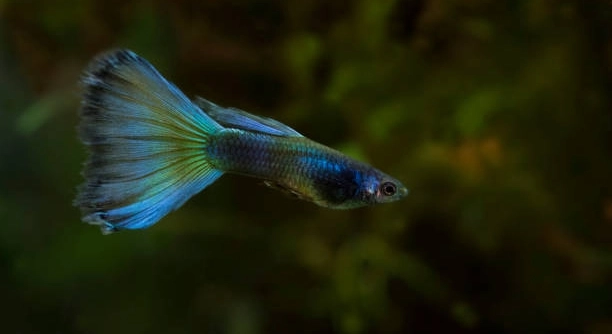
Is your guppy constantly swimming against the current in your tank, making you wonder if something might be wrong or unusual?
The most common reason your guppy is swimming against the current is natural behavior. Guppies are active swimmers and often enjoy resistance, which helps them stay stimulated and maintain strong muscle tone.
Some causes are harmless, while others could signal stress or poor tank conditions that need attention for your guppy’s well-being.
It Could Be Normal Behavior
Guppies are naturally curious and energetic fish. In many cases, swimming against the current is simply something they enjoy doing. It gives them exercise and keeps them engaged in their environment. This behavior is especially common in tanks with strong filters or water flow. Some guppies even seem to play in the current, darting back and forth for fun. As long as your guppy looks healthy, is eating well, and isn’t showing signs of stress, there may be nothing to worry about. Observing their behavior over time helps you know what’s normal and when something might be off. If your guppy is still exploring the tank, swimming with ease, and not hiding or gasping for air, it’s likely just enjoying the stimulation from the water flow. It’s similar to how some fish love to swim through bubbles or chase their reflections. Not every strange action is a sign of a problem.
If your guppy isn’t struggling or hiding, it may just be playing or staying active.
Still, it’s good to rule out any possible causes, especially if this is a new behavior. Pay attention to what else is happening in the tank. A few small changes might make a big difference.
The Filter Flow Might Be Too Strong
A strong filter can make it hard for guppies to rest, forcing them to swim constantly against the current.
If the filter output is too powerful, guppies may feel like they’re in a constant stream of fast-moving water. This can wear them out over time and cause stress. Guppies are small fish and don’t need intense flow to stay healthy. When a filter is designed for a much larger tank or is placed poorly, it can make it hard for them to find calm areas to rest. You might notice your guppy staying in one corner, constantly swimming just to keep from being pushed around. This can eventually lead to fatigue, which weakens their immune system. To fix this, try adjusting the filter angle or adding decorations that break up the current. You can also use a sponge filter or add a pre-filter sponge to reduce the strength. Creating calm zones in the tank helps your guppy feel safe and comfortable without removing the flow completely.
It’s Trying to Get More Oxygen
When the oxygen level in your tank is too low, guppies may swim near areas with stronger flow to get more air.
Filters create movement that increases oxygen in the water. If your guppy is swimming against the current near the filter or a bubbler, it might be trying to breathe more easily. Low oxygen can be caused by poor water circulation, high temperatures, or overcrowding. Make sure your tank isn’t too warm, especially in summer, as warmer water holds less oxygen. Check your filter is running well and not clogged. Consider adding an air stone or adjusting your filter to boost surface agitation. Also, avoid overstocking the tank, as more fish means faster oxygen depletion. Guppies may start gasping at the surface or appear restless when oxygen is too low. If your guppy only swims near fast-moving water, it’s a sign that better oxygenation is needed.
Check for other signs of stress like fast gill movement, hanging near the surface, or less interest in food. These often appear before things get worse.
Try small, steady changes. You can increase surface movement, clean your filter more often, or do regular water changes. Better oxygen levels can make a big difference in how your guppy behaves.
It’s Stressed by Tank Mates
Aggressive or overly active tank mates can make guppies feel uneasy, pushing them toward fast-moving water for safety.
Sometimes, guppies use the current as a hiding spot if they feel chased or picked on. If you’ve added new fish or notice tension between tank mates, this could be the cause. Guppies are peaceful fish and do best with others who won’t nip at their fins or chase them around. When they feel unsafe, they often avoid open spaces and may seek refuge in corners or behind the filter. Fast water flow isn’t ideal, but it may feel safer than staying near more aggressive tank mates. Keep an eye out for signs like torn fins, hiding, or sudden changes in swimming patterns. Choosing the right tank mates is important for keeping things calm. Consider separating any aggressive fish, or rearranging the tank to break up territories and reduce tension.
It’s Reacting to Sudden Changes
Water changes, new decorations, or rearranged plants can make guppies act differently. Swimming against the current might be a way to cope with the stress or re-explore the tank setup after a recent change.
Check if you’ve added new fish, changed lighting, or cleaned the tank recently. Even small shifts in routine can affect your guppy’s comfort and behavior.
It’s Dealing with Poor Water Quality
Dirty water can stress guppies and cause unusual behavior, like constantly swimming against the flow. High ammonia or nitrite levels are especially harmful. Test your water weekly to monitor these levels. Regular water changes and a well-maintained filter help keep things safe. If your guppy seems restless, test the water first. Sometimes poor quality isn’t visible, but it still affects your fish. Guppies are sensitive to sudden drops or spikes in pH, temperature, or hardness. Keeping conditions stable makes a big difference. A clean, balanced tank gives your guppy less reason to act out or behave oddly.
It’s a Sign of Illness
If your guppy looks weak, has clamped fins, or avoids food, swimming against the current might be a sign it’s unwell.
FAQ
Why does my guppy only swim near the filter?
When a guppy sticks close to the filter, it might be looking for more oxygen. Filters stir the water and increase oxygen levels, especially at the surface. If oxygen is low elsewhere in the tank, the guppy may feel more comfortable by the filter. Another possibility is that the water near the filter gives it stimulation or makes it feel safer. Some guppies enjoy the flow and swim near it on purpose. But if your fish looks tired or stressed, the filter flow might be too strong, or there could be other issues with water quality or tankmates.
Is it bad if my guppy swims against the current all day?
Not always, but it depends on how the guppy is acting. Some guppies are just more active and love to swim in fast-moving water. If the guppy is eating well, looks healthy, and doesn’t seem tired, it may just enjoy the movement. However, if it’s doing it constantly and not resting, that could be a sign of stress or exhaustion. Swimming nonstop takes a lot of energy. Over time, this can weaken the immune system. If you notice your guppy is breathing heavily or hiding less, it may need a break from the current. Try adjusting the flow strength or rearranging the tank.
Can too much water flow hurt my guppy?
Yes, strong water flow can make it hard for a guppy to rest or swim comfortably. Guppies aren’t built for constant resistance. If they have to fight the current all the time, they can get worn out. Over time, this can lead to stress, poor appetite, or illness. Younger or weaker guppies are more affected by strong currents. You might see them hiding in corners or behind decorations. A gentle flow is usually best for guppies. Use plants, rocks, or decorations to slow the water in parts of the tank and give them spots to rest.
How can I tell if my guppy is stressed?
Look for small changes in how your guppy acts. If it hides more, swims erratically, or gasps at the surface, these are signs of stress. Clamped fins and loss of color are also warning signs. Skipping meals or staying in one area of the tank too long can also show something’s off. A healthy guppy should be curious, swim around the tank, and eat regularly. If you notice unusual behavior lasting more than a day or two, it’s a good idea to check water quality, tank setup, and other fish interactions.
Should I reduce the filter flow in my guppy tank?
If your guppy seems bothered by the current or is always near the filter, reducing the flow might help. You don’t need to remove it completely—just make sure there are areas of calm water. You can angle the filter output toward the glass or use a sponge filter. Pre-filter sponges also soften the flow. The goal is to keep good water movement and oxygen levels while still giving your guppy a place to rest and swim comfortably. Watch your fish after making changes to see how it reacts.
Do guppies need a bubbler in the tank?
Not always, but a bubbler can help. It adds oxygen to the water and increases movement at the surface. If your tank is heavily stocked or has warm water, a bubbler might be useful. It’s also helpful in tanks with weak water circulation. However, if your filter already moves the surface enough and the fish seem healthy, a bubbler isn’t required. Adding one is more about improving conditions if you see signs of low oxygen. Just make sure the bubbles aren’t too strong, or your guppy might avoid the area.
Can swimming against the current mean my guppy is sick?
It’s possible. If your guppy looks weak or has other symptoms like shaking, clamped fins, or weight loss, illness could be the cause. Some diseases affect swim patterns or cause discomfort that makes the fish act strangely. If your guppy seems to struggle against the current or swims differently than usual, take a closer look. Check water quality first, then watch for signs of infection or parasites. Acting quickly can help prevent the issue from getting worse. A healthy guppy should swim smoothly and look alert. Any big change in behavior deserves attention.
Final Thoughts
Guppies are sensitive creatures that can show different behaviors depending on their surroundings, and swimming against the current is one of those signals. Often, this behavior is normal and part of their natural instincts. Many times, they exhibit this behavior because they feel stimulated by the flow or are simply enjoying their activity. It is important to observe them regularly to understand their baseline behavior. When changes occur, even simple shifts like new decorations or minor water adjustments, it might lead to noticeable differences in their swimming patterns. In many cases, the guppies are just adapting to their environment. Keeping the tank well-maintained and monitoring water quality, temperature, and flow can help ensure that your fish are comfortable and active without being overly stressed. By keeping a close eye and making gradual adjustments, you can support a healthy environment that benefits both the fish and their overall behavior.
The behavior of swimming against the current is not necessarily a negative sign. It can indicate that guppies are engaged and trying to maintain an appropriate level of physical activity, which is essential for their overall health and vitality. A strong current, if well-distributed and balanced with calm zones, can be beneficial by providing exercise that strengthens their muscles. However, if the water flow is too intense or if your guppies show signs of distress, adjustments might be needed. Regular testing of water conditions and ensuring that equipment like filters is not overwhelming the tank can prevent potential problems. Even if it seems like a small behavioral change, it’s crucial to consider all environmental factors. Making thoughtful changes will help in sustaining a balanced aquatic habitat that supports both the fish’s physical and emotional well-being.
Taking time to understand your guppy’s behavior can lead to a more responsive way of managing your aquarium setup. The key is to view each behavior as a potential indicator of the tank’s overall environment. Whether it is the presence of strong currents or subtle changes in routine, every detail can offer insights into what adjustments might be beneficial. Sometimes, the solution might be as simple as rearranging tank decorations or reducing the filter flow to create more resting spots. Ultimately, the goal is to cultivate a harmonious setting that promotes stability. Regular maintenance and keen observation allow you to distinguish between normal playful behavior and signs of stress. Through consistent care and suitable modifications, you can ensure that your guppies thrive in a balanced and healthy aquatic environment, which, in the long run, provides both you and the fish a satisfying experience.

Hello,
If you enjoy the content that we create, please consider saying a "Thank You!" by leaving a tip.
Every little bit helps us continue crafting quality advice that supports the health, happiness, and well-being of pets around the world, for pets of all shapes, sizes, and species.
We really appreciate the kindness and support that you show us!