
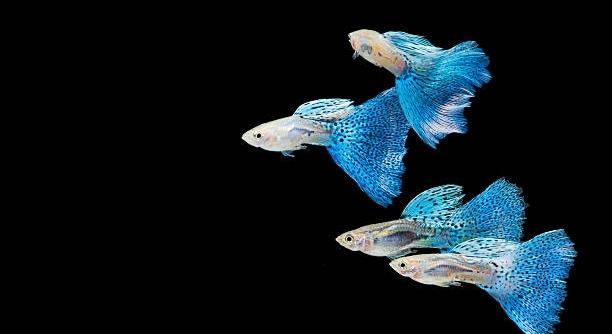
Sometimes, guppies can appear motionless for extended periods, leading to concern. While this behavior may seem alarming, it is important to understand the reasons behind it to ensure your fish’s health and well-being.
There are several potential causes for a guppy staying still, including environmental stressors, water quality issues, illness, or even natural behavior. Poor water conditions, improper tank temperature, or unbalanced feeding habits can also contribute to such inactivity.
Understanding these causes can help you address the issue quickly and improve your guppy’s overall health and comfort in its environment.
Poor Water Quality
One of the main reasons your guppy may be staying still is poor water quality. Guppies are sensitive to changes in their environment, and low oxygen levels, high ammonia, or unclean water can cause them to become lethargic. If the water is not properly filtered or changed regularly, toxins can build up, leading to stress. Guppies, like other fish, need a stable environment to thrive. Ensure that the water is kept at the right temperature and pH, and that there is adequate filtration. Regular water changes are key to keeping your fish healthy.
If you notice your guppy staying still for too long, check the water conditions. This can often be the first step in solving the problem. Proper water care is essential to maintaining a healthy tank environment.
Testing your water for ammonia, nitrites, and nitrates, as well as ensuring the water temperature is within the appropriate range, will help prevent many common health issues. Investing in a quality water testing kit will give you peace of mind and help prevent future problems.
Incorrect Tank Temperature
Another common reason for your guppy’s inactivity could be an improper tank temperature. Guppies thrive in water temperatures ranging from 72°F to 82°F (22°C to 28°C). If the water is too cold or too hot, they may become sluggish or even stop moving altogether. Guppies are tropical fish and need consistent warmth to stay active and healthy. A temperature outside of their preferred range can lead to stress and make it harder for them to swim around.
Keeping the tank in the right temperature range will allow your guppy to feel comfortable and be more active. Consider investing in a reliable aquarium heater to maintain consistency. It’s important to regularly check the temperature to avoid fluctuations that could affect your fish’s behavior.
Illness or Disease
A guppy that is ill may stop moving or swim erratically. Diseases like ich or fin rot can cause your fish to become lethargic. Look for other signs such as discoloration, lesions, or abnormal swimming patterns. If you notice any of these symptoms, it’s important to take action immediately.
A guppy’s inactivity may also be linked to internal parasites or other infections. If your guppy is lethargic and showing signs of distress, consider isolating it in a quarantine tank. This will prevent other fish from getting sick while you monitor and treat the affected fish. Consult a veterinarian who specializes in fish if needed.
Addressing any health issues quickly can help your guppy recover faster. Make sure to clean the tank and check water conditions during treatment to prevent further stress on your fish. Keeping your guppy in a clean, stable environment will promote a quicker recovery.
Overfeeding
Overfeeding is a common issue in many home aquariums. When you feed your guppy too much, leftover food can pollute the water and lead to unhealthy conditions. Excess food also can make your fish feel sluggish and less motivated to swim. It’s important to feed them only what they can consume in a few minutes.
Feeding your guppy too often can also lead to digestive problems. If your guppy seems inactive after eating, it might be due to overeating. Excess food in the tank can cause water quality to deteriorate, further affecting the guppy’s behavior. Regularly clean up any uneaten food to keep the water fresh.
Feeding your guppy a balanced diet and offering appropriate amounts will prevent health problems. A good rule of thumb is to feed them small amounts twice a day. This routine will ensure they get the nutrients they need without causing harm to their environment.
Stress from Tankmates
Guppies are peaceful fish, but they can become stressed if housed with aggressive or overly active tankmates. Stress can cause a guppy to stay still and hide. If other fish are chasing or nipping at your guppy, it may result in this behavior.
If your guppy appears stressed, try rearranging the tank to create more hiding spots or separate them from aggressive fish. Adding plants or decorations can help create a more secure environment. You can also consider moving your guppy to a separate tank to reduce stress, allowing it to recover.
Tank Size
A small tank can also contribute to a guppy’s inactivity. Guppies need enough space to swim around and explore. If the tank is too small or overcrowded, your guppy may not have the freedom to move around, leading to a lack of energy.
A tank that’s too cramped doesn’t provide enough stimulation for your fish. A minimum of 10 gallons is recommended for guppies to thrive. Adding more space and reducing the number of fish in the tank can encourage more natural behavior and activity.
FAQ
Why is my guppy staying still all of a sudden?
If your guppy is suddenly staying still, it could be due to several factors. It might be stressed, ill, or uncomfortable with water quality. Guppies are sensitive to changes in their environment, so even small fluctuations in temperature, pH, or water cleanliness can lead to them staying still. Overfeeding or aggressive tankmates might also cause this behavior. It’s essential to check water conditions, ensure your guppy is not stressed, and monitor its overall health for any signs of illness. If everything seems fine, your guppy might just need some time to adjust.
How do I know if my guppy is stressed?
Stress in guppies can show up as inactivity, hiding, or rapid swimming in one spot. You might also notice unusual color changes or fin clamping. Guppies are sensitive to their surroundings, and any disturbance, such as sudden changes in water parameters, overcrowding, or aggressive tankmates, can cause stress. Keeping an eye on their behavior and environment will help you spot signs of stress early. Adding plants or hiding spots can help provide comfort if your guppy is feeling anxious.
Can water temperature affect my guppy’s behavior?
Yes, water temperature plays a significant role in guppy behavior. Guppies prefer water temperatures between 72°F and 82°F (22°C to 28°C). If the temperature falls outside this range, your guppy may become sluggish or inactive. Too cold water can cause them to become lethargic, while too hot water can lead to stress and even illness. Using a reliable aquarium heater and thermometer can help maintain a consistent temperature that keeps your guppy active and healthy.
Is my guppy sick if it’s staying still?
Not necessarily. While illness can cause lethargy, there are many reasons why a guppy may stay still. It could be stressed, adjusting to a new environment, or simply resting. However, if you notice other symptoms such as discoloration, fin rot, bloating, or unusual swimming patterns, your guppy might be sick. In such cases, it’s important to isolate the fish in a quarantine tank and seek advice from a vet specializing in fish care. Proper water maintenance and a balanced diet also help prevent illness.
What can I do to make my guppy more active?
To encourage your guppy to be more active, ensure the water quality is optimal. Clean water, proper filtration, and regular water changes are essential. Keep the water temperature stable and within the recommended range. Add plants and decorations to provide hiding spots and visual stimulation. Avoid overcrowding the tank, and be mindful of feeding schedules—don’t overfeed, as that can lead to sluggishness. If your guppy is alone, adding another guppy or peaceful tankmates can provide social interaction, which can also encourage activity.
Can a dirty tank make my guppy inactive?
Yes, a dirty tank can directly affect your guppy’s behavior. Poor water quality due to insufficient filtration, overfeeding, or infrequent water changes can cause toxins to build up in the tank. Ammonia and nitrite spikes can lead to stress and illness in your guppy, causing it to become inactive. Regular water changes and cleaning your tank can prevent this issue. Keep the tank well-maintained to promote a healthy environment for your fish to thrive and stay active.
Do guppies need a lot of space to swim?
Yes, guppies need space to swim freely. If they are kept in a small or overcrowded tank, they may become stressed, leading to inactivity. A tank size of at least 10 gallons is recommended for a group of guppies. Adding extra space not only reduces stress but also encourages your fish to explore and swim around more. Providing enough space in the tank, along with decorations and plants for enrichment, will keep your guppy active and engaged.
Could overfeeding cause my guppy to stay still?
Overfeeding can contribute to your guppy’s inactivity. When guppies eat more than they need, excess food can pollute the water and cause water quality issues. Additionally, overfeeding can lead to digestive problems, making your guppy feel sluggish or uncomfortable. It’s important to feed only what your guppy can consume in a few minutes. You should also clean up any uneaten food promptly to avoid water contamination. Regularly monitor their feeding schedule to keep them healthy and active.
How long can a guppy stay still before I should worry?
If your guppy is staying still for a day or two but seems otherwise healthy, it may just be resting. Guppies tend to rest occasionally, especially after eating or if they’re adjusting to a new environment. However, if the inactivity lasts longer or is accompanied by other signs of illness, such as discoloration, abnormal swimming, or rapid gill movement, you should be concerned. It’s essential to monitor their behavior closely and check the water parameters to ensure everything is in order. If the inactivity persists, it may be time to take action.
Can tankmates affect my guppy’s activity level?
Yes, tankmates can impact your guppy’s activity. Guppies are peaceful and social creatures, but they can become stressed if housed with aggressive fish or if they feel threatened. Overly active or territorial tankmates might chase or nip at your guppy, causing it to become more withdrawn or inactive. It’s best to keep guppies with other peaceful species that won’t stress them. If aggression is a problem, consider rearranging the tank or separating the aggressive fish to help your guppy feel safe and active again.
Final Thoughts
If your guppy is staying still, it could be due to a variety of reasons. Stress, illness, water quality, and even tankmates can all affect your guppy’s behavior. It’s important to observe your guppy closely and identify any changes that could be causing it to act differently. Regularly checking water parameters, such as temperature, pH, and ammonia levels, will ensure your guppy’s environment is safe and comfortable. Taking quick action when something seems off can help prevent further issues and keep your guppy healthy.
In addition to maintaining water quality, it’s also important to provide a suitable tank environment for your guppy. Guppies are social fish that enjoy interacting with each other and their surroundings. If your guppy seems inactive, consider adding plants, decorations, and hiding spots to the tank. These additions not only give your guppy a place to explore but also reduce stress by providing a sense of security. Avoid overcrowding and make sure your tank is appropriately sized to allow for plenty of swimming space.
Ultimately, if your guppy’s behavior doesn’t improve after addressing environmental factors, it may be a sign of illness. Always keep an eye out for other symptoms like discoloration, abnormal swimming, or visible lesions. In those cases, isolating the sick guppy in a quarantine tank and seeking advice from a vet is crucial. By keeping your tank clean, feeding your guppy properly, and providing a stress-free environment, you can help ensure your fish stays active and healthy.

Hello,
If you enjoy the content that we create, please consider saying a "Thank You!" by leaving a tip.
Every little bit helps us continue crafting quality advice that supports the health, happiness, and well-being of pets around the world, for pets of all shapes, sizes, and species.
We really appreciate the kindness and support that you show us!