
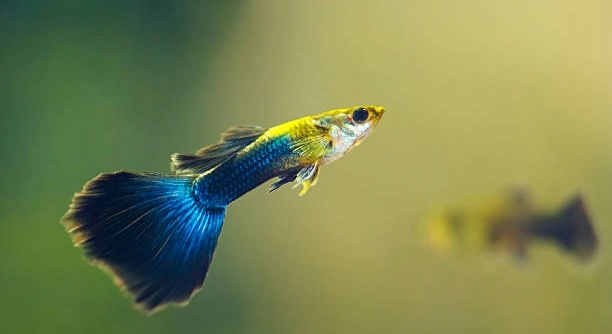
Is your guppy spitting out food instead of eating it? This behavior can leave you wondering what’s going wrong in your aquarium. Understanding the causes behind this can help you ensure a healthy and happy fish.
The most common causes for a guppy spitting out food are water quality issues, stress, or the food being too large or unsuitable. These factors can make it difficult for your guppy to properly eat and digest its food.
There are several reasons why your guppy might be spitting out food, and identifying the root cause can help you solve the issue quickly.
Water Quality Issues
Water quality plays a significant role in your guppy’s eating habits. Poor water conditions can make it difficult for them to feel comfortable, affecting their overall health and appetite. High levels of ammonia, nitrites, or nitrates can stress your guppy and lead to food rejection. Make sure the tank is properly filtered, and perform regular water changes to maintain a healthy environment. The pH and temperature of the water should also be stable, as sudden changes can stress your guppy.
Regularly testing the water and adjusting the levels as needed is essential for your guppy’s health. Keeping the water clean and properly balanced ensures that your guppy feels safe and can eat normally.
If you find that the water is the issue, correcting the quality will likely restore your guppy’s eating habits. It may take some time, but a healthy environment is crucial for their well-being.
Food Size and Type
Your guppy might struggle with food that’s too large or unsuitable. This could be because the food is too hard or doesn’t suit their specific dietary needs. Adjusting the type of food and the size of the pieces can make a difference in your guppy’s ability to eat properly.
Guppies thrive on a diet that includes small, easily digestible flakes or pellets designed for their size. It’s important to use food that is appropriate for their needs to avoid causing feeding problems. If your guppy is spitting out food, try reducing the size of the food or switching to a more appropriate option.
Switching to a suitable food type can quickly improve your guppy’s eating behavior. Always observe their feeding habits and adjust accordingly.
Stress and Anxiety
Stress can cause your guppy to refuse food. They may spit out food if they feel threatened or uneasy in their environment. This can be due to aggressive tank mates, sudden movements around the tank, or overcrowding. Ensuring that your guppy has a peaceful, stable tank is crucial to reducing stress.
Adding hiding spots, such as plants or decorations, can give your guppy a sense of security. Also, limit disturbances by avoiding excessive noise or sudden movements near the tank. If there are aggressive fish, consider moving them to another tank.
Stressed guppies may also become more susceptible to diseases, which can affect their ability to eat. Take time to observe your fish and adjust their surroundings to promote a calm atmosphere.
Overfeeding
Overfeeding can lead to uneaten food settling in the tank, which can cause your guppy to spit it out. If your guppy is being offered more food than it can consume, it may lose interest in eating. Overfeeding can also lead to water quality issues, making the environment uncomfortable.
Instead of offering large amounts of food at once, provide small, manageable portions. Feed your guppy only what it can eat in a few minutes. If uneaten food remains, remove it promptly to maintain water quality. Monitoring feeding habits closely will help prevent overfeeding.
Adjusting the amount of food given to your guppy can lead to a healthier tank and eating behavior. A consistent feeding routine ensures that your guppy gets the right amount of food without causing waste or stress.
Illness or Infection
Illness can make your guppy lose its appetite, leading to food spitting. If your guppy is sick, it may struggle to eat or show disinterest in food. Common illnesses such as parasites or internal infections can cause this behavior.
Look for signs of illness like faded color, lethargy, or abnormal swimming. If you notice these symptoms, it’s important to treat your guppy as soon as possible. Consult a veterinarian if necessary and follow proper treatment for any infection or disease.
Prompt action can help your guppy recover and return to eating normally. Make sure your tank is clean to reduce the risk of infections.
Water Temperature
Guppies are sensitive to changes in water temperature, and extreme fluctuations can lead to food rejection. If the water is too cold or too hot, your guppy may avoid eating. Maintaining a stable temperature is crucial for their health.
Install a reliable aquarium heater to regulate the temperature and avoid sharp fluctuations. Aim for a range between 72°F and 82°F (22°C to 28°C), which is optimal for guppies. A thermometer will help you monitor and adjust the temperature if needed.
Maintaining the right temperature is essential for your guppy’s digestion and overall well-being. It encourages healthy feeding habits and reduces stress.
Feeding Schedule
A consistent feeding schedule helps regulate your guppy’s eating habits. If the feeding times are erratic, your guppy might become confused or lose interest in food. Sticking to a routine can ensure your fish stays healthy and well-fed.
Feed your guppy at the same time every day, offering small amounts of food that can be consumed in 2-3 minutes. This helps prevent overfeeding and ensures the food is fresh when eaten. A reliable schedule also keeps your fish more comfortable with their feeding environment.
A regular feeding routine promotes better eating and overall health for your guppy. It’s an easy way to improve their behavior and well-being.
FAQ
Why is my guppy spitting out food?
There are several reasons why your guppy may be spitting out food. Water quality, stress, food size, illness, overfeeding, and improper water temperature are some common causes. Poor water conditions or stress from aggressive tank mates can make your guppy feel uncomfortable, leading to food rejection. Similarly, overfeeding can result in uneaten food, which your guppy may spit out to avoid overconsumption. Ensuring a stable environment, feeding appropriate portions, and maintaining water quality can help resolve this issue.
How can I improve my guppy’s eating habits?
To improve your guppy’s eating habits, start by ensuring that their water conditions are optimal. Regularly check the water quality, maintain the right temperature, and reduce stressors in the tank. Provide small, manageable portions of food and avoid overfeeding. Make sure the food is appropriate in size and type for your guppy. Establishing a consistent feeding schedule can also help them feel more comfortable eating. By addressing these factors, your guppy’s appetite should improve.
Can stress cause my guppy to spit out food?
Yes, stress is a major factor in why guppies may refuse food. If the tank is overcrowded, there are aggressive fish, or the environment is too noisy, your guppy may become stressed and lose its appetite. Stress can also weaken the immune system, making it harder for your guppy to digest food properly. Reducing stress in the tank by adding hiding spots, minimizing disturbances, and ensuring a calm atmosphere can help your guppy feel more comfortable and eat properly.
How do I know if my guppy is sick?
If your guppy is spitting out food, it could be a sign of illness. Look for other symptoms such as faded colors, lethargy, abnormal swimming, or the presence of sores or lesions. A sick guppy may also hide more often or have difficulty swimming. If you notice these signs, it’s important to isolate the sick fish and provide treatment as needed. A veterinarian with experience in fish care can help diagnose and treat any illnesses or infections.
What should I do if my guppy refuses to eat?
If your guppy refuses to eat, first check the water quality and temperature. Ensure the water is within the optimal range (72°F to 82°F) and that there are no spikes in ammonia, nitrites, or nitrates. If the water conditions are good, consider whether the food is too large, unsuitable, or if there has been overfeeding. You may also need to reduce stressors in the tank. If your guppy continues to refuse food, it may be a sign of illness, and you should consult with a veterinarian.
How much should I feed my guppy?
Feed your guppy small portions of food that can be consumed within 2-3 minutes. Overfeeding can lead to uneaten food that affects water quality and may cause your guppy to spit out food. A general rule is to feed your guppy once or twice a day, offering only as much as it can eat in that time. Adjust the amount based on your guppy’s activity level and appetite. Remove any uneaten food to prevent it from decaying and affecting the water.
Is it normal for guppies to be picky eaters?
Guppies can sometimes be picky eaters, especially if they are introduced to new types of food or if they are stressed. If your guppy refuses food, it may be reacting to a change in its environment, the type of food, or the size of the food. Offering different types of food and ensuring it is small and easy to eat can help. Be patient and observe your guppy’s preferences to determine the best feeding routine for them.
Can overfeeding harm my guppy?
Overfeeding can harm your guppy by leading to poor water quality and digestive problems. When food remains uneaten, it decomposes and can cause ammonia spikes, leading to stress and illness in your guppy. Additionally, overfeeding can cause your guppy to spit out food or refuse to eat altogether. It’s essential to feed your guppy only the amount it can consume in a few minutes, preventing waste buildup and ensuring a healthier aquarium.
How do I make sure my guppy’s tank is healthy?
To ensure your guppy’s tank is healthy, regularly test the water for ammonia, nitrites, and nitrates. Perform partial water changes weekly to maintain clean water and prevent harmful chemical buildup. Ensure the water temperature is stable and falls between 72°F and 82°F. Add plants and hiding spots to reduce stress and provide a comfortable environment for your guppy. A good filtration system is essential for keeping the water clean and safe. Regularly check for signs of illness and address any problems promptly.
What are the signs of poor water quality in a guppy tank?
Signs of poor water quality include cloudy water, an increase in algae growth, and a noticeable ammonia or sulfur smell. If the water feels slimy or has a strong odor, it’s likely that water quality is compromised. Your guppy may also show signs of stress, such as lethargy, faded colors, or rapid breathing. If you notice any of these symptoms, test the water for ammonia, nitrites, and nitrates, and perform a water change if needed.
Can water temperature affect my guppy’s eating habits?
Yes, water temperature plays a crucial role in your guppy’s eating habits. If the water is too cold or too hot, it can make your guppy feel uncomfortable, causing them to refuse food. Guppies thrive in water that is between 72°F and 82°F. Maintaining a stable temperature within this range is essential for your guppy’s digestion and overall health. If the temperature fluctuates too much, it can cause stress, which might lead to food spitting or refusal.
Should I isolate a sick guppy?
Yes, if your guppy shows signs of illness, it’s best to isolate them in a quarantine tank. This prevents the spread of any potential diseases to other fish in the main tank. A separate tank also allows you to provide specific treatments and monitor your sick guppy more closely. Ensure that the quarantine tank has the same water conditions as the main tank to avoid further stress. Consult with a veterinarian for proper diagnosis and treatment.
Final Thoughts
Guppies may spit out food for various reasons, ranging from poor water conditions to stress and illness. Understanding the underlying cause is essential in addressing the issue effectively. By monitoring water quality, maintaining a consistent feeding schedule, and ensuring a stress-free environment, you can encourage your guppy to eat properly. If illness is suspected, prompt treatment is necessary to prevent further complications.
It’s important to observe your guppy’s behavior and adjust care routines accordingly. Regular tank maintenance, proper feeding practices, and temperature regulation play a significant role in promoting healthy eating habits. Ensure the food offered is appropriate in size and type, as guppies can be picky eaters. Overfeeding should also be avoided to prevent waste buildup and water quality deterioration. A clean and stable tank environment is key to a guppy’s overall well-being.
By addressing these factors and remaining patient, your guppy’s feeding habits should improve over time. Maintaining a healthy, stress-free environment for your fish will not only help with eating issues but also contribute to their long-term health and happiness. Regular monitoring and adjustments can prevent future problems and ensure that your guppy thrives in its tank.

Hello,
If you enjoy the content that we create, please consider saying a "Thank You!" by leaving a tip.
Every little bit helps us continue crafting quality advice that supports the health, happiness, and well-being of pets around the world, for pets of all shapes, sizes, and species.
We really appreciate the kindness and support that you show us!