
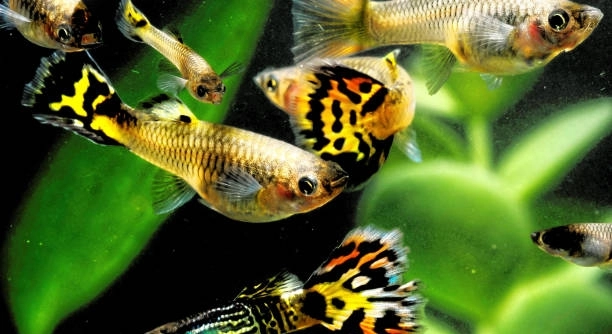
Guppies are popular aquarium fish, known for their vibrant colors and lively behavior. However, if you notice your guppy spinning, it may be a cause for concern. Understanding the potential causes can help you address the issue promptly.
Guppy spinning can be caused by various factors, including swim bladder disorders, water quality issues, stress, or even parasites. Identifying the root cause is essential to providing the proper care and treatment to help your guppy recover.
Understanding these possible causes allows you to take effective steps toward improving your guppy’s health and ensuring its well-being in your aquarium.
1. Swim Bladder Issues
Swim bladder problems are one of the most common reasons why your guppy may start spinning. The swim bladder controls buoyancy, and if it malfunctions, your guppy may have difficulty staying upright or swimming properly. This can cause your guppy to spin in circles or float erratically. The swim bladder can become infected or damaged due to various factors such as poor water quality or sudden changes in temperature. Additionally, overfeeding can cause constipation, which may pressure the swim bladder and lead to abnormal swimming behavior.
While swim bladder problems can sometimes resolve on their own, it’s essential to observe your guppy closely. If the issue persists, a change in diet or water conditions may help. Consider adjusting feeding practices to avoid overfeeding and provide a balanced diet. Additionally, maintaining clean water and stable temperatures can support your guppy’s overall health and prevent further complications.
If you notice that the spinning continues, it may be time to consult an aquarium expert for more specialized treatment. This will help ensure your guppy’s health improves and any underlying issues are addressed appropriately.
2. Poor Water Quality
Water quality is a significant factor in a guppy’s health. If the water in your tank contains high levels of ammonia, nitrates, or nitrites, it can lead to stress, illness, or abnormal behavior like spinning. Keeping the water clean and regularly testing its parameters ensures that your guppy remains healthy.
Poor water conditions can also result in bacterial infections, which might lead to unusual swimming patterns. Guppies are particularly sensitive to drastic changes in water temperature or pH levels. If your water parameters fluctuate too much, your guppy could experience discomfort, leading to abnormal swimming. Make sure to test the water frequently, and perform regular water changes to keep the levels in check.
Cleaning your tank’s filter and maintaining stable water conditions will go a long way in preventing your guppy from experiencing any distress. Regular maintenance not only benefits your fish’s health but also contributes to a more vibrant aquarium.
3. Stress
Stress can significantly impact your guppy’s behavior. Changes in tank mates, loud noises, or sudden environmental shifts can all lead to stress. When a guppy is stressed, it may exhibit erratic swimming behavior, such as spinning. Prolonged stress weakens their immune system and makes them more susceptible to illness.
It’s important to maintain a calm and stable environment for your guppy. Keep the tank in a quiet, undisturbed area and avoid frequent handling. Make sure there are enough hiding spots and plants to provide security. Introducing new fish slowly and monitoring their interactions can also help reduce the chance of stress.
If stress is the cause, ensuring that the environment is comfortable and predictable should help your guppy return to its normal behavior. If problems persist, consider re-evaluating tank conditions to remove any stress triggers.
4. Parasites
Parasites are another potential cause of abnormal spinning behavior. Fish such as guppies can fall prey to various parasites, including protozoans and external worms. These parasites can infect different parts of the body, including the gills or skin, leading to discomfort and erratic swimming behavior.
External parasites may attach to your guppy’s body, causing it to rub or spin in an attempt to relieve irritation. Internal parasites can cause bloating or other internal issues, leading to strange swimming patterns. Treatment for parasites usually involves special medication designed to kill the invaders and prevent further infection.
If you suspect a parasite, quarantine your infected guppy and treat them separately to avoid infecting other fish. Consulting with an aquarium specialist can ensure that the right medication and treatment approach is used for your specific situation.
5. Overfeeding
Overfeeding is a common mistake that can lead to swim bladder problems, which may cause your guppy to spin. Feeding your guppy too much can cause it to become bloated, affecting its buoyancy and leading to abnormal swimming patterns.
To avoid this, feed your guppy in small, manageable amounts and only provide food they can consume in a few minutes. Ensure that any uneaten food is removed from the tank to prevent it from decomposing and polluting the water. By sticking to proper feeding guidelines, you can reduce the risk of overfeeding.
6. Injury
Injuries can occur when guppies are introduced to new tank mates or objects in the aquarium. A sudden shock, collision with decorations, or an aggressive interaction with another fish may cause injury. When injured, a guppy may act out of the ordinary, including spinning or swimming in an erratic manner.
It’s essential to monitor your guppy closely after any injury. If the injury is minor, they may recover on their own with proper care. However, if the injury seems severe or the spinning persists, a separate quarantine tank may be necessary to avoid further complications and allow healing.
7. Water Temperature Fluctuations
Water temperature fluctuations can lead to significant stress for your guppy. Guppies prefer stable temperatures, typically between 72°F and 82°F. If the temperature in your tank fluctuates too much, it can affect your guppy’s behavior, leading to spinning or lethargy.
To avoid temperature issues, use a reliable aquarium heater and thermometer to ensure the water remains at a constant temperature. Keep an eye on the tank’s conditions and make adjustments as necessary. A stable environment is key to your guppy’s health and will prevent many behavioral problems.
FAQ
1. Why is my guppy spinning in circles?
Spinning in circles could be a sign of a swim bladder issue, which is a common cause of abnormal swimming behavior. It could also indicate that your guppy is stressed, dealing with poor water quality, or suffering from an injury. In some cases, it could also be a symptom of a parasitic infection. The first step is to check the water quality, ensure the tank is stable, and observe if there are any changes to your guppy’s environment. If the spinning continues, it may be time to seek professional advice or treatment.
2. Can stress cause a guppy to spin?
Yes, stress is a common cause of abnormal behavior in guppies, including spinning. Stress can result from sudden changes in the environment, like changes in tank mates, water conditions, or excessive noise. It can also be caused by overcrowding or a lack of hiding spots. Reducing stress by maintaining a stable and peaceful environment can help your guppy return to normal behavior. Adding plants or decorations to provide cover and ensuring that the water parameters are optimal are good ways to minimize stress.
3. How can I prevent swim bladder issues in my guppy?
To prevent swim bladder issues, make sure to avoid overfeeding, as too much food can cause bloating, which affects buoyancy. Feed your guppy small amounts of food multiple times a day rather than a large amount all at once. Additionally, ensuring that the water quality is pristine and the tank temperature is stable helps prevent swim bladder problems. Lastly, avoid sudden changes in the environment that can cause stress, as stress can weaken the guppy’s immune system, making it more prone to illness.
4. How do I know if my guppy has a parasite?
If your guppy is exhibiting unusual swimming patterns, like spinning, along with signs of irritation or rubbing against objects in the tank, it may have a parasite. Other symptoms include clamped fins, abnormal swelling, or visible spots on the body. Parasites may also cause your guppy to lose its appetite. If you suspect a parasitic infection, it’s best to isolate the infected fish and treat them with appropriate medication. Consulting a professional is recommended for proper diagnosis and treatment.
5. Can guppies recover from swim bladder disorders?
Yes, guppies can recover from swim bladder disorders, especially if the cause is related to overfeeding or poor water quality. If you address the underlying issue, your guppy’s condition may improve over time. In cases of mild swim bladder disorders, simply reducing the amount of food or adjusting the water quality may be sufficient. However, more severe cases, such as infections or injury-related disorders, may require medication or additional care. Regular monitoring is key to ensuring a full recovery.
6. Is overfeeding harmful to guppies?
Yes, overfeeding can be harmful to guppies. It can lead to bloating, which may cause swim bladder issues. When guppies eat more than they need, the excess food can decompose in the tank, affecting water quality and increasing the risk of infections. To prevent this, feed your guppy small amounts of food that it can consume within 2-3 minutes, and remove any uneaten food to maintain a clean tank. Regular water changes and proper feeding habits will keep your guppy healthy.
7. How can I improve my guppy’s water quality?
To improve your guppy’s water quality, perform regular water changes, removing 25-30% of the water each week. Ensure your filter is working properly and clean it regularly to prevent debris buildup. Test the water frequently to check for harmful levels of ammonia, nitrites, and nitrates, which can stress your guppy. Keep the water temperature stable and ensure that the pH is within the ideal range for guppies (7.0-8.0). Adding live plants can also help absorb excess nutrients and maintain good water quality.
8. How do I know if my guppy is stressed?
Signs of stress in guppies include erratic swimming, rubbing against objects in the tank, or spending a lot of time at the surface or bottom of the tank. Stress can also manifest as faded colors, clamped fins, or a lack of appetite. If your guppy is showing signs of stress, check the water quality and temperature, ensure that the tank isn’t overcrowded, and avoid sudden changes in the environment. Providing hiding spots and reducing noise or activity around the tank can also help reduce stress.
9. Should I separate my spinning guppy from the rest of the fish?
If your guppy is spinning and showing signs of illness or injury, it’s a good idea to separate it from the rest of the fish. This helps prevent any potential spread of illness or parasites to other fish and allows your guppy to recover in a calm and controlled environment. You can set up a quarantine tank with similar water parameters and closely monitor the fish for any changes. It’s important to maintain a clean quarantine tank and treat the guppy with appropriate medication if needed.
10. Can guppies recover from injury-related spinning?
Yes, guppies can recover from injuries, but it depends on the severity of the injury. Minor injuries may heal on their own with time, especially if the water conditions are optimal. If the injury is more serious, it’s important to place the guppy in a separate tank to avoid further stress or harm. During recovery, it’s essential to maintain clean water and ensure the tank is free from sharp objects or aggressive tank mates. If the spinning doesn’t improve, consulting a veterinarian or aquarium expert may be necessary.
Final Thoughts
When a guppy starts spinning, it can be concerning, but it’s important to remember that there are several possible causes. From simple factors like stress or overfeeding to more serious issues like swim bladder disorders or parasites, the behavior is often a sign that something is off with their environment. Understanding the potential causes will help you address the issue more effectively and keep your guppy healthy.
The first step in resolving spinning behavior is to assess the water quality and tank conditions. Poor water quality or fluctuating temperatures can cause stress and health problems, leading to abnormal swimming patterns. Ensuring stable water conditions, proper filtration, and regular maintenance can prevent many of these issues. Additionally, consider the possibility of stress due to tank mates or sudden changes in the environment. By creating a calm and consistent habitat, you can reduce the likelihood of stress-related spinning.
If environmental factors are ruled out, it may be necessary to look into health concerns like parasites or swim bladder issues. Addressing these conditions typically involves adjusting diet, providing medication, or separating the sick fish from the rest of the tank. While some issues may require professional advice, many common causes can be managed with proper care and attention. Observing your guppy closely and making necessary adjustments to its environment will improve its overall well-being and reduce the chances of spinning behavior.

Hello,
If you enjoy the content that we create, please consider saying a "Thank You!" by leaving a tip.
Every little bit helps us continue crafting quality advice that supports the health, happiness, and well-being of pets around the world, for pets of all shapes, sizes, and species.
We really appreciate the kindness and support that you show us!