
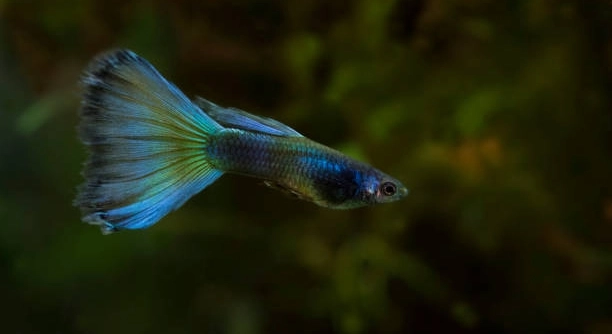
Sometimes, guppies show unusual color changes, which can raise concerns. While these color shifts might look alarming, they often point to specific factors that affect their health and environment. Understanding these causes can help address the issue.
Guppies can exhibit strange color changes due to several factors, including stress, poor water quality, dietary issues, or genetic predispositions. Other factors, such as temperature fluctuations or overcrowding, can also contribute to these color shifts. Identifying the root cause is essential.
By understanding the reasons behind these color changes, you’ll be better equipped to create a healthier environment for your guppies, ensuring they thrive and show off their true colors.
Stress from Environmental Changes
Guppies are sensitive to changes in their environment, and stress can lead to noticeable color changes. Shifting their surroundings too quickly or introducing them to new tank mates can cause anxiety, leading to dull or odd coloring. If the water conditions change suddenly, such as a spike in temperature, guppies can react by displaying these color changes as a sign of distress. It’s essential to gradually adjust the water temperature and ensure that tank mates are compatible.
These small shifts in their environment may be all it takes to trigger color changes. Regular water changes and proper filtration also help maintain stability.
By paying attention to their stress levels, you can create a more stable and comfortable space for your guppies. If you notice signs of stress, consider adjusting the tank conditions or offering them a little more space.
Poor Water Quality
When the water quality in a guppy’s tank is poor, it can lead to unhealthy conditions. High ammonia or nitrate levels can irritate your fish, resulting in color fading or unusual hues. Guppies thrive in clean, well-maintained water, and neglecting their tank can cause more than just discoloration. Water tests should be done regularly to ensure the pH, hardness, and other factors remain within the optimal range.
Overcrowding or infrequent water changes can cause these toxins to build up, worsening the overall health of the fish. Even mild water quality issues can make guppies more vulnerable to stress and disease, which can further affect their appearance.
To avoid these problems, ensure your tank has proper filtration and maintain a regular cleaning schedule. Regular water testing can help you spot issues before they become major problems, leading to healthier, vibrant guppies.
Diet Deficiencies
Guppies, like all fish, require a well-balanced diet to maintain healthy colors. A lack of essential nutrients, such as vitamin A, can cause them to lose their bright colors. If their diet is lacking, they may appear dull or washed out. Providing a variety of foods, including high-quality pellets, frozen foods, and live options, ensures they receive the necessary nutrients to maintain vibrant coloring.
A poor diet can also lead to other health issues, such as weakened immune systems or poor growth, further contributing to their altered appearance.
Make sure your guppies have access to a variety of nutritious foods. This not only helps them look their best but also supports their overall health and well-being.
Temperature Fluctuations
Rapid changes in water temperature can cause stress, leading to noticeable color shifts. Guppies prefer a stable environment with temperatures between 74-82°F. A tank that’s too hot or cold can cause the fish to react by fading or developing unusual colors.
Inconsistent temperatures often occur due to malfunctioning heaters or external factors like room temperature changes. Guppies are highly sensitive to these shifts, and prolonged exposure to temperature extremes can weaken their immune system. This increases the risk of disease, further affecting their health and appearance.
Investing in a reliable heater with a thermostat can help maintain a stable water temperature, ensuring your guppies stay comfortable and vibrant.
Overcrowding in the Tank
An overcrowded tank leads to stress and lack of space, which can trigger color changes in guppies. With limited room, your fish may not feel safe, and their immune system can suffer. Stress hormones, produced when fish are anxious, can cause them to show dull or altered colors.
In a tank with too many fish, the water quality can decline more quickly, further compounding the issue. Guppies need space to swim freely, and overpopulation can cause them to become territorial or stressed.
Consider limiting the number of fish per gallon of water to create a more comfortable environment. Proper filtration and regular water changes will help keep the tank clean, allowing your guppies to maintain their colors and health.
Genetic Factors
Some guppies are naturally more prone to color changes due to their genetics. Certain breeding lines produce guppies with brighter or more intense colors, while others may show more subdued hues. These color shifts are completely normal.
When breeding guppies, genetics play a large role in how vibrant or dull their colors may be. If you notice drastic changes in their color patterns, it may be linked to their lineage, and there may not be much to worry about.
Understanding the genetic makeup of your guppy helps you predict what changes to expect in their color over time.
Disease or Infection
Diseases can also lead to unexpected color changes in guppies. Infections caused by bacteria, parasites, or fungi can affect their pigmentation, making their colors appear dull or even causing them to develop unusual markings.
Early signs of disease can include lethargy, loss of appetite, and color changes. If you notice these signs, it’s important to quarantine the affected guppy and treat them promptly. Diseases like Velvet or Ich can cause color loss and require swift intervention to prevent spreading.
Regular observation and quick action can help keep your guppies healthy and vibrant, ensuring any infections are addressed before they worsen.
Poor Lighting
Lighting in the tank can also influence how guppies display their colors. Too much direct light or inconsistent lighting can cause the fish’s colors to fade, making them appear less vibrant.
Some guppies may need softer or more diffused lighting to enhance their natural hues. Intense, harsh lights may stress the fish, leading to dull colors and reduced activity levels.
Using a timer to regulate the lighting schedule and avoiding direct sunlight can help keep your guppies comfortable and their colors bright.
FAQ
Why are my guppies turning pale?
Guppies can turn pale due to a variety of reasons, including stress, poor water quality, or inadequate diet. Stress from environmental changes, like sudden temperature fluctuations or overcrowding, can cause a guppy’s color to fade. Additionally, if your guppies aren’t receiving proper nutrients, such as vitamins and minerals, their colors may lose their vibrancy.
Another factor is water quality. High ammonia or nitrate levels can irritate the fish, causing them to show a dull appearance. Regular water changes and proper filtration are essential in maintaining healthy, colorful guppies.
Can poor water quality cause color changes in guppies?
Yes, poor water quality is a significant cause of color changes in guppies. Ammonia, nitrites, and high nitrate levels are harmful to guppies and can cause stress, which often results in color fading or unusual hues.
To prevent these issues, it’s crucial to test the water regularly. Keep the pH levels, ammonia, nitrite, and nitrate within safe limits. Make sure your tank has proper filtration, and clean the tank often to avoid toxins from building up. A stable, clean environment helps your guppies maintain their natural color.
Do temperature changes affect guppy colors?
Yes, rapid temperature changes can stress your guppies and cause them to display abnormal colors. Guppies prefer a stable temperature range of 74-82°F, and sudden fluctuations can lead to color fading or dullness.
It’s important to monitor the water temperature regularly with an aquarium thermometer. Invest in a reliable heater with a thermostat to prevent drastic changes, especially if you live in an area with fluctuating room temperatures. Maintaining consistent water temperatures keeps your guppies healthy and vibrant.
Can overcrowding cause color changes in guppies?
Overcrowding in the tank can stress guppies, causing color changes. When there are too many fish in a small space, they feel cramped and stressed, which affects their appearance. Overcrowded tanks also lead to poor water quality, further contributing to stress.
To prevent overcrowding, ensure that there is enough space for each guppy to swim freely. A good rule of thumb is to provide one gallon of water per inch of fish. Proper filtration and regular water changes are also essential to maintain a clean, healthy tank.
What does it mean if my guppies’ colors become brighter?
Brighter colors in guppies are often a sign of good health and a well-balanced environment. When guppies are happy and stress-free, their colors tend to become more vivid. Proper diet, optimal water conditions, and low-stress environments contribute to the enhancement of their natural colors.
Sometimes, guppies also become brighter during mating seasons as males try to attract females. If you notice a male guppy displaying brighter colors, it may be due to increased energy and hormones during this period.
Can diet affect the color of my guppy?
Yes, diet plays a significant role in the color of your guppies. A lack of essential nutrients, such as vitamins A and C, can cause them to appear dull. High-quality fish food with a balance of proteins, vitamins, and minerals will support healthy coloration.
Adding variety to their diet, including live or frozen foods like brine shrimp or daphnia, will also boost their health and help maintain their vibrant colors. Avoid overfeeding, as this can lead to poor water quality and negatively impact their appearance.
Is it normal for a guppy to change colors over time?
Yes, it’s completely normal for guppies to change colors as they mature. Guppy fry often have different colors than adults, and their hues may evolve as they grow. In some cases, color changes may be linked to genetic factors, especially if you’ve bred guppies with certain traits.
However, drastic or rapid color changes in adult guppies could signal underlying issues like stress, poor water quality, or illness. Keep an eye on any other signs of distress and ensure their environment remains stable and healthy.
Can lighting affect the color of my guppies?
Yes, lighting can affect how your guppies appear. Too much direct light or inconsistent lighting can cause their colors to appear washed out. Some guppies may need softer, diffused lighting to bring out their vibrant hues. Harsh lighting can also stress fish, leading to dull colors and reduced activity.
To help your guppies maintain their natural color, use an aquarium light with adjustable brightness or a timer to regulate day and night cycles. Avoid placing the tank under direct sunlight, as it can cause temperature fluctuations and algae growth.
What should I do if my guppies’ colors are changing quickly?
If you notice your guppies’ colors changing rapidly, it’s essential to check the water quality immediately. High ammonia, nitrites, or nitrates can cause stress and discoloration. Test the water parameters and make any necessary adjustments.
Also, check for signs of disease or infection. If you spot any, quarantine the affected fish and treat them promptly. A sudden color change can also be a result of rapid environmental changes or overcrowding. Take a look at the tank setup and consider adjusting the conditions to ensure your guppies stay healthy and vibrant.
Do different guppy strains have different color patterns?
Yes, different guppy strains have unique color patterns and intensities. Some strains are bred specifically for vibrant colors, while others may have more muted hues. The variety of colors in guppies is a result of selective breeding, which has led to different color morphs and patterns.
If you notice your guppy’s colors are different from others, it could be due to genetic variation. This is perfectly normal, and some strains may display brighter colors or different patterns based on their lineage.
Final Thoughts
In conclusion, the color changes in your guppy can be attributed to various factors such as water quality, stress, diet, and genetics. Guppies are known for their vibrant and diverse color patterns, but these colors can shift depending on their environment. By paying attention to the conditions in your tank, you can help ensure that your guppies remain healthy and colorful. Regular water testing, proper filtration, and providing a balanced diet are all essential steps in maintaining the beauty of your fish.
It’s also important to monitor your guppies for any signs of illness, as diseases can lead to abnormal color changes. If your guppy is turning pale or showing unusual colors, it could be an indication of stress or an underlying health issue. Keeping a close eye on your fish’s behavior and appearance will help you spot problems early and take action to resolve them. Quarantining sick fish and providing prompt treatment can prevent issues from spreading and help keep the rest of your guppies healthy.
Lastly, remember that guppies, like all fish, have individual characteristics. Some may naturally change colors as they grow or due to breeding. While a shift in color may seem concerning, it’s often a normal part of their development. With the right care and attention, your guppies will thrive, and their colors will continue to brighten your aquarium.

Hello,
If you enjoy the content that we create, please consider saying a "Thank You!" by leaving a tip.
Every little bit helps us continue crafting quality advice that supports the health, happiness, and well-being of pets around the world, for pets of all shapes, sizes, and species.
We really appreciate the kindness and support that you show us!