
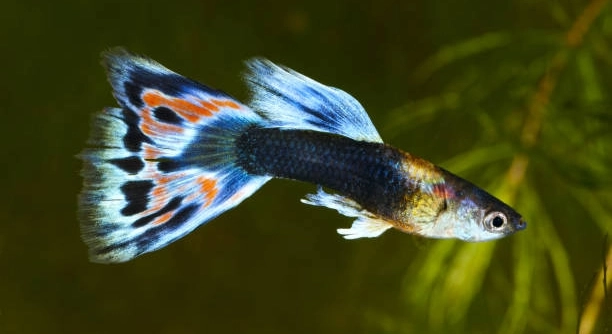
Guppies are active and energetic fish, but sometimes they may show signs of lethargy. This behavior can be concerning for fish owners. Understanding the underlying causes of this behavior can help you address it effectively.
Lethargy in guppies is often caused by environmental factors, poor water conditions, or health issues. It can also result from stress, improper diet, or infections. Identifying the root cause will help determine the necessary course of action to restore their vitality.
Addressing these factors can improve your guppy’s well-being and ensure they remain healthy and active. Understanding the reasons behind lethargy is the first step in providing the proper care.
Water Quality Issues
Poor water quality is one of the most common reasons for lethargy in guppies. When water conditions are not optimal, guppies may become stressed and inactive. Dirty water can contain toxins like ammonia and nitrites, which can harm their health. Additionally, improper pH levels or inconsistent temperature can also cause lethargy. Maintaining clean water is essential for guppy health. Regular water changes and testing for harmful substances will help keep the water safe for your fish.
Checking the water’s temperature, pH, and chemical levels regularly is vital. Keeping a consistent routine will prevent issues that could stress your guppy.
A good filtration system can help keep the water clean, but it’s equally important to monitor the parameters yourself. If you’re noticing your guppy becoming sluggish, testing the water should be your first step. Make sure to change the water regularly and keep the tank free of waste. Healthy water encourages active behavior in guppies and reduces the risk of disease.
Stress and Overcrowding
Stress is another major factor that contributes to lethargy. Guppies are social creatures, but too many in one tank can cause them to feel overwhelmed. When overcrowding occurs, the fish may exhibit signs of stress, such as hiding or staying still at the bottom. This can lead to lethargy and other health issues.
Overcrowding can also lead to aggression among the fish, which further affects their well-being. It’s important to ensure that there’s enough space for each fish to swim comfortably. For optimal conditions, aim for one inch of fish per gallon of water.
Stress can be reduced by keeping a balanced number of fish in the tank and providing enough hiding spots. If your guppy seems stressed or lethargic, try reducing the number of tank mates or adding plants and decorations. A well-maintained environment with enough space can keep your guppy active and healthy.
Poor Diet
A poor diet can quickly lead to lethargy in guppies. If their diet lacks essential nutrients, they may become weak and inactive. Guppies require a balanced mix of proteins, vitamins, and minerals to stay healthy. Feeding them a variety of foods ensures they get all the nutrients they need.
Overfeeding or feeding low-quality food can also be harmful. Stick to high-quality fish flakes or pellets designed for guppies. Supplementing with occasional live or frozen foods like brine shrimp or daphnia can offer variety. Inadequate or unbalanced feeding leads to lethargy and may cause other health issues over time.
The health of your guppy depends on consistent and proper nutrition. A varied diet helps keep them active and energetic. Poor feeding habits not only result in lethargy but can also lead to long-term health complications. If your guppy shows signs of sluggishness, try adjusting their diet to ensure they’re getting the right nutrients.
Infections and Illnesses
Infections and illnesses are another common cause of lethargy in guppies. When a guppy is sick, it will often stay still at the bottom of the tank, refusing to eat. Bacterial, fungal, or parasitic infections can all cause lethargy and other symptoms like discolored fins or bloating.
Diagnosing the cause of an illness can be tricky, but watching for other symptoms, such as abnormal swimming or loss of appetite, can help. It’s crucial to isolate a sick fish from the rest of the tank to prevent the spread of disease. Once you’ve identified the illness, consult an aquarium specialist for the best treatment.
Treating sick guppies early is key to recovery. If an infection is suspected, begin treatment immediately to avoid further complications. Quarantining affected fish and providing medication specific to the illness will help them regain their strength. Keep a close eye on your fish, as early intervention can make a significant difference.
Temperature Fluctuations
Guppies are sensitive to temperature changes. When the water temperature is too low or fluctuates frequently, they may become lethargic. Ideal water temperature for guppies is between 72°F and 82°F. Keeping the tank at a stable temperature is important for their activity levels and health.
Investing in a reliable aquarium heater can prevent sudden drops in temperature. Regularly check the water temperature to ensure it stays within the appropriate range. Extreme changes can cause stress, leading to reduced energy levels and health problems for your guppy. A stable, warm environment is essential for their well-being.
Poor Tank Maintenance
Neglecting regular tank maintenance can lead to lethargy in guppies. Without proper cleaning and water changes, waste and debris build up, which can harm your fish. This poor water quality can stress your guppy, making it sluggish. Clean your tank regularly to ensure a healthy environment.
Regular water changes, cleaning the filter, and removing any uneaten food or debris from the tank help maintain a healthy environment. A tank with poor water conditions can cause long-term issues for your guppy’s health. Keep the tank clean and tidy to prevent stress and encourage activity.
Improper Tankmates
The company your guppy keeps can impact its behavior. Aggressive or overly active tankmates may stress out your guppy, causing it to retreat to the bottom and become lethargic. Choose peaceful fish species that complement the guppy’s temperament for a harmonious tank environment.
Larger or more aggressive fish may intimidate guppies, leading to reduced activity. Guppies thrive in a community tank with calm, non-aggressive tankmates. If your guppy is showing signs of lethargy, consider reviewing the other species in the tank. Matching tankmates to your guppy’s needs can improve its health.
FAQ
Why is my guppy staying at the bottom of the tank?
Guppies often stay at the bottom of the tank when they’re feeling stressed or unwell. Poor water quality, temperature fluctuations, and overcrowding can all contribute to this behavior. Infections or diseases can also cause them to seek shelter at the bottom. If your guppy isn’t swimming around, it could be a sign that something is wrong. Ensure the tank’s water quality is optimal and that the temperature is stable. If the issue persists, consider isolating the guppy for treatment, as some illnesses, like swim bladder disease or parasites, may cause lethargy.
How can I tell if my guppy is sick?
A sick guppy may exhibit several signs, such as staying still at the bottom, clamping its fins, or swimming abnormally. Look for other symptoms like changes in color, bloating, or unusual growths. If the guppy refuses to eat or hides more than usual, it could indicate an infection. Monitor its behavior closely and take note of any changes. If these signs persist, consider consulting an aquarium professional for guidance on diagnosing and treating the illness. Early intervention is key to helping your guppy recover.
Can overfeeding cause lethargy in guppies?
Yes, overfeeding can lead to lethargy. When guppies are fed too much, they may not be able to digest the excess food, which can lead to poor water quality and a build-up of waste. The tank’s water quality deteriorates, which can stress the fish. In addition, overfeeding contributes to bloating and digestive issues in guppies, which can leave them feeling sluggish. To prevent this, feed your guppy small amounts, ensuring they eat all of it within a few minutes. Overfeeding also contributes to algae growth, which can further degrade water quality.
How often should I change the water to prevent lethargy in my guppy?
To prevent lethargy caused by poor water quality, it’s essential to change the water regularly. A general rule of thumb is to replace 25-30% of the water every week. This helps keep ammonia, nitrites, and nitrates at safe levels. If you notice any changes in the water’s color, smell, or clarity, it’s a sign that a water change is needed sooner. Maintaining a clean tank also helps ensure your guppy stays healthy and active. Remember to treat the water before adding it back to the tank to prevent introducing harmful chemicals.
Can guppies get stressed from changes in their environment?
Yes, guppies are sensitive to changes in their environment, and stress can cause them to become lethargic. Sudden shifts in temperature, water quality, or tankmates can make guppies feel unsafe. They might hide more or become less active as a result. It’s best to avoid making drastic changes to their habitat. If you need to move your guppy or change the tank’s setup, do so gradually. Consistency and stability help reduce stress and ensure your guppy stays comfortable in its environment. Stress-free guppies are more likely to remain energetic and healthy.
Why is my guppy swimming sideways or upside down?
If your guppy is swimming sideways or upside down, it could have swim bladder disease, a common issue in fish. This disease causes buoyancy problems, making it difficult for the fish to maintain normal swimming behavior. The swim bladder controls the fish’s buoyancy, and when it’s affected, the guppy may lose its ability to stay upright. Causes include overfeeding, constipation, or infections. To help, you can feed your guppy a small amount of cooked, shelled peas to aid digestion. If the issue persists, consult a vet or aquarium expert for further treatment.
How can I improve my guppy’s diet?
A balanced diet is key to preventing lethargy in guppies. Make sure they’re eating a variety of high-quality foods like fish flakes, pellets, and occasional live or frozen foods, such as brine shrimp or daphnia. Providing a variety ensures your guppy gets all the nutrients it needs, such as proteins, vitamins, and minerals. You can also supplement their diet with vegetable matter, like spinach or peas. Avoid overfeeding, as excess food can degrade water quality and cause digestive issues. A healthy, balanced diet supports active behavior and overall well-being.
What is the best water temperature for my guppy?
Guppies thrive in warm water with a temperature range between 72°F and 82°F. Keeping the water within this range ensures they stay active and healthy. Temperatures lower than 72°F can cause them to become sluggish, while temperatures above 82°F can stress them out and lead to health issues. It’s essential to use a reliable aquarium heater to maintain consistent temperature levels. Regularly check the water with a thermometer to ensure it stays within the ideal range. Stable water temperature is one of the most important factors for keeping guppies healthy.
Can I keep multiple guppies together?
Yes, guppies are social and do well in groups, as long as the tank is large enough to accommodate them. Overcrowding can lead to stress, which may cause lethargy and aggression. A general rule is to have one inch of fish per gallon of water. Ensure there’s enough space for each guppy to swim freely and comfortably. Additionally, provide plants and hiding spots to help reduce stress. A harmonious group of guppies can thrive, but if the tank is too small or overcrowded, they may become stressed and inactive. Keep the numbers balanced.
Is my guppy’s behavior normal if it’s not eating?
If your guppy isn’t eating, it could be a sign of stress, illness, or poor water quality. Sometimes, they may refuse food due to changes in their environment, like new tankmates or temperature fluctuations. If the water quality is poor, they may lose their appetite. Illness, like parasites or infections, can also cause guppies to stop eating. If your guppy hasn’t eaten for a few days or shows signs of lethargy, it’s important to address potential issues promptly. Check the water, monitor its behavior, and isolate the fish if needed for treatment.
Final Thoughts
Guppies are generally active and vibrant fish, but when they show signs of lethargy, it’s important to take note and assess the situation carefully. Various factors, such as poor water quality, incorrect water temperature, or stress from tankmates, can contribute to a guppy’s sluggish behavior. Identifying the cause quickly can help restore the guppy to its healthy, active state. Regular tank maintenance, proper water temperature, and a balanced diet are essential for preventing these issues.
It’s also crucial to monitor the environment for any stressors that might be affecting your guppy. Aggressive tankmates, overcrowding, or sudden changes in the tank can create an environment that makes your guppy feel unsafe or uncomfortable. Ensuring that your tank setup is appropriate for your guppy’s needs will encourage better health and activity. If your guppy continues to show signs of lethargy despite addressing these factors, it might be necessary to consult with an aquarium professional or veterinarian to rule out any underlying health conditions.
In the end, caring for guppies involves consistent attention to their environment, diet, and overall well-being. By maintaining a clean, stable habitat and addressing any potential problems early on, you can help your guppy stay healthy and active. Regular checks on water quality, temperature, and tank conditions will go a long way in preventing lethargy and ensuring your guppy remains happy in its aquatic home.

Hello,
If you enjoy the content that we create, please consider saying a "Thank You!" by leaving a tip.
Every little bit helps us continue crafting quality advice that supports the health, happiness, and well-being of pets around the world, for pets of all shapes, sizes, and species.
We really appreciate the kindness and support that you show us!